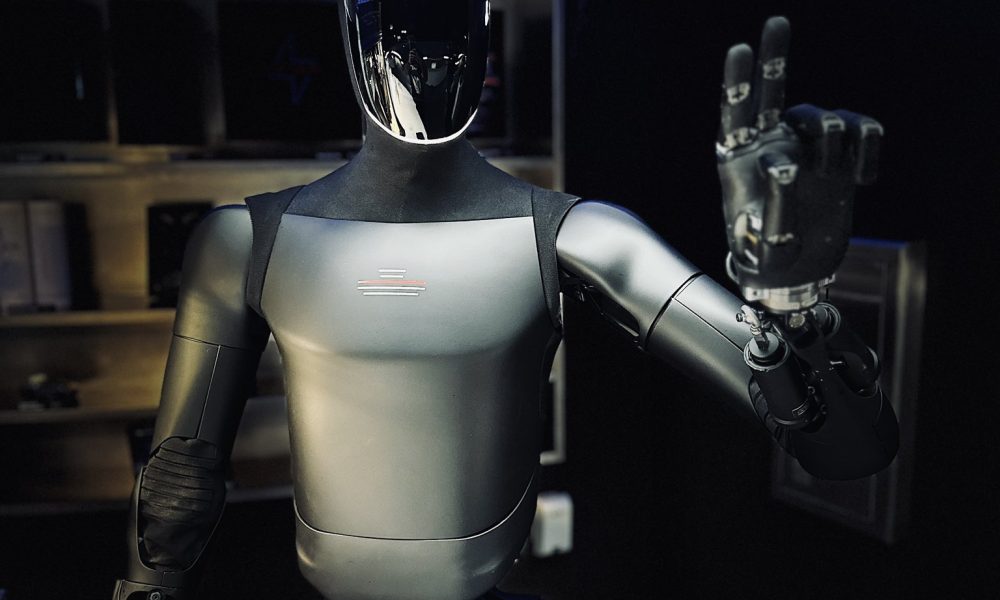
Just months after its brief, viral debut at the Tesla Diner in Hollywood, the Optimus humanoid robot is being prepped for a dramatic comeback. According to recent reports, Tesla is planning to redeploy its Optimus prototype to the flagship diner and charging station, but this time with a significantly expanded set of capabilities and a major hardware revision in the works. This move signals a strategic shift from a simple publicity stunt to a real-world, public-facing testbed for the next generation of robotics.
From Novelty to Necessity: A Real-World Proving Ground
The initial appearance of the Optimus Gen 2 robot at the diner was a powerful demonstration, capturing global attention as it performed simple tasks in a dynamic environment. Its subsequent removal, however, hinted at the limitations of that iteration. By returning Optimus to the diner, Tesla is transitioning the location from a backdrop to a critical real-world proving ground. The controlled yet unpredictable setting of a working restaurant—with customers, obstacles, and specific service tasks—provides invaluable data that a lab cannot replicate, directly informing the development of the Optimus Gen 3 platform currently underway.
The Gen 3 Leap: Ambitions Beyond the Diner Floor
While specific details on Gen 3 remain under wraps, the ambition is clear: to create a robot capable of performing a wider array of useful, economically viable work. Tasks envisioned for the diner deployment likely extend beyond greeting customers to potentially include bussing tables, restocking items, or basic cleaning operations. Each of these functions requires advances in dexterity, environmental awareness, and autonomous decision-making. Success in this complex environment would be a monumental proof-of-concept, validating Tesla's argument that a general-purpose humanoid robot is not only possible but imminent.
This public beta test serves a dual purpose. It rigorously stress-tests the hardware and software in a way that accelerates engineering, while simultaneously normalizing the presence of advanced humanoid robots in everyday human spaces. For Tesla and Elon Musk, every successful interaction at the diner is a step toward the ultimate goal: deploying millions of Optimus units in global manufacturing, logistics, and eventually consumer markets.
For Tesla owners and investors, the diner redeployment is a tangible sign of progress in a high-stakes, long-term project. A functioning Optimus represents a potential trillion-dollar market completely separate from Tesla's automotive and energy businesses. Visible, iterative improvements at the diner can build confidence in Tesla's execution timeline and its unique edge in artificial intelligence and real-world machine learning. However, it also underscores the immense technical and commercial challenges ahead. The move reaffirms that Tesla is betting its future not just on electric vehicles, but on becoming a leader in automation and robotics, with Optimus as its most ambitious avatar.