Tesla's long-promised autonomous future appeared to take a tangible leap forward this weekend, only to seemingly vanish into thin air. The company announced the launch of its robotaxi service in Dallas and Houston, marking a significant expansion beyond its initial test city of Austin. However, potential riders and industry watchers were met with immediate frustration, as the service proved to be effectively unavailable to the public almost as soon as it was announced, raising fresh questions about the operational readiness of Tesla's full self-driving ambitions.
A Phantom Fleet on the Streets
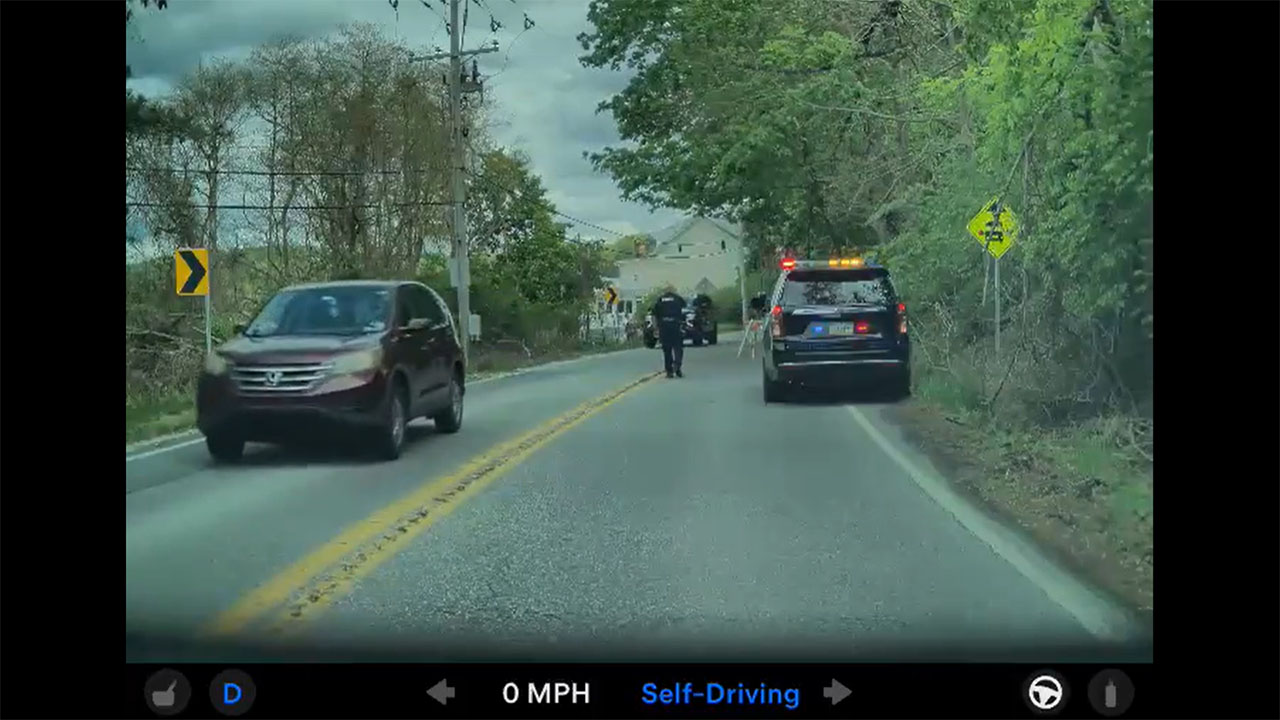
The launch was signaled by a post from the account @TeslaRobotaxi, which shared a 14-second video of a Tesla Model Y navigating city streets with visibly empty front seats. This visual proof of a "driverless" ride was quickly amplified by CEO Elon Musk on his platform, X. Despite this promotional push, data from online crowdsourcing tools and user reports painted a starkly different picture. These sources indicated that very few, if any, vehicles were actually available for hire through the Tesla app in the designated cities. The disconnect between the announcement and the on-the-ground reality suggests a rollout that is either in an extremely limited, invitation-only phase or one that was announced prematurely before operational logistics were fully in place.
Context: The Long Road to Autonomy
This move is a critical step in Musk's overarching strategy to transform Tesla from a car manufacturer into a leader in artificial intelligence and robotics. The success of the robotaxi network is central to the company's astronomical valuation, which heavily discounts future mobility-as-a-service revenue. However, Tesla's approach, relying on a vision-based "Full Self-Driving" (FSD) system without LiDAR, remains a topic of intense debate within the autonomous vehicle industry. Regulatory hurdles also loom large, as widespread deployment requires approvals that vary by state and municipality, making a smooth, simultaneous launch in multiple major cities a complex challenge.
For Tesla owners and investors, the implications are twofold. The demonstration of a truly driverless vehicle is a powerful validation of the hardware and software they have invested in, potentially boosting the residual value of cars equipped with FSD capability. Yet, the "unavailable" status of the service underscores the gulf between technological demonstration and scalable, reliable commercial service. Investors are left weighing a significant milestone against ongoing execution risk, watching to see if Tesla can transition its autonomous tech from a compelling demo into a profitable, ubiquitous service that justifies its market premium.