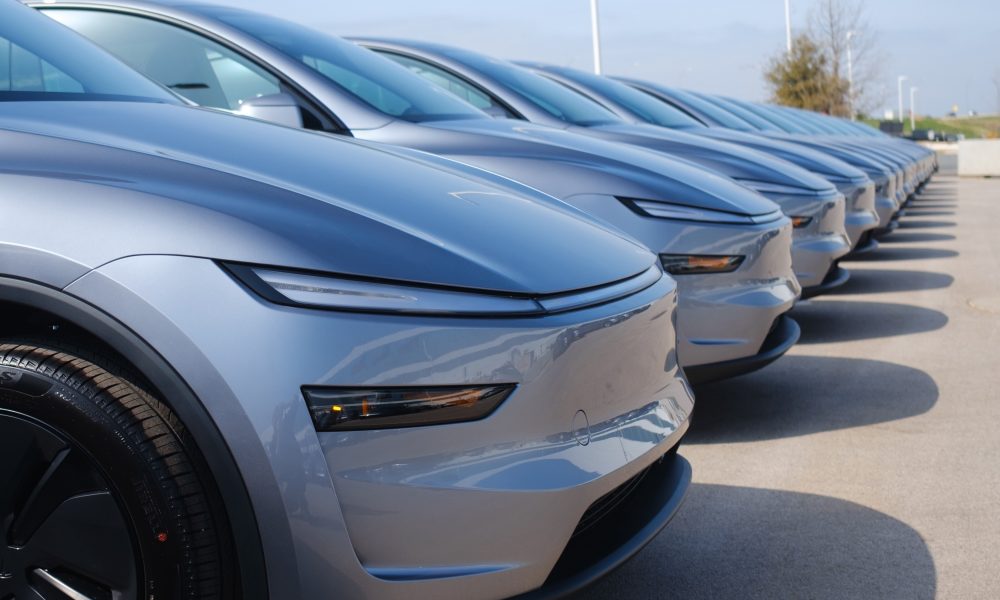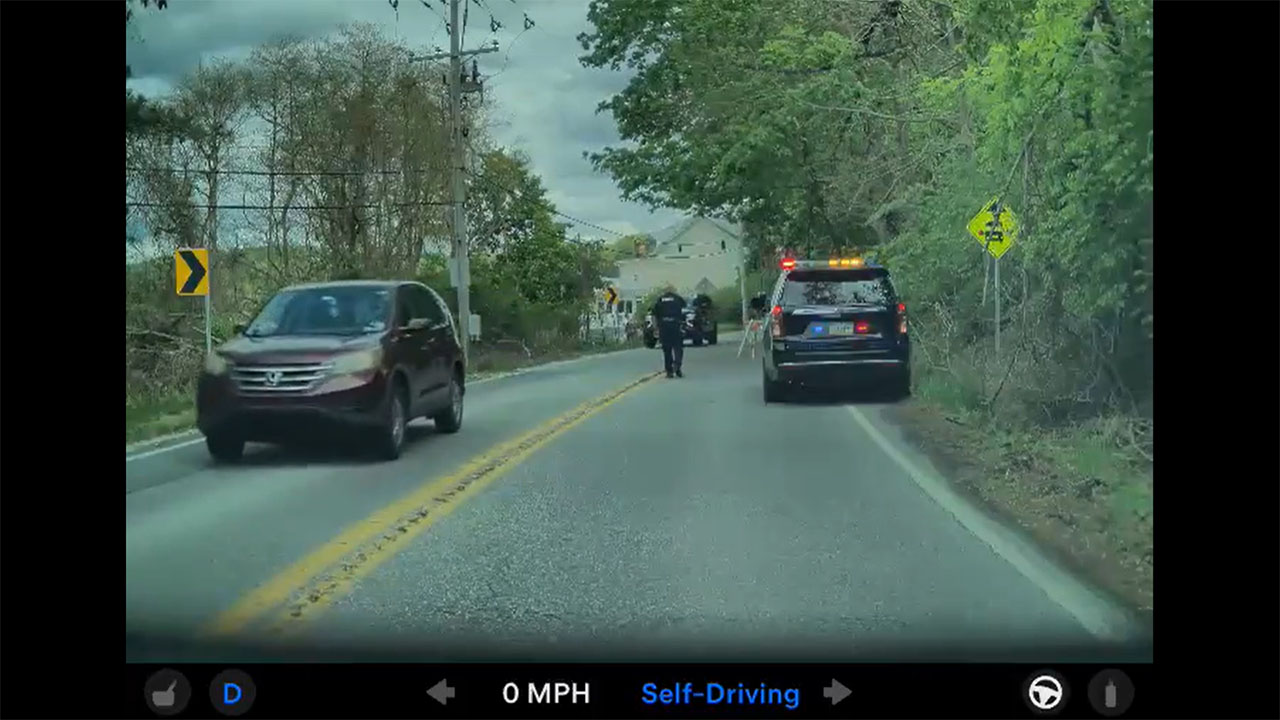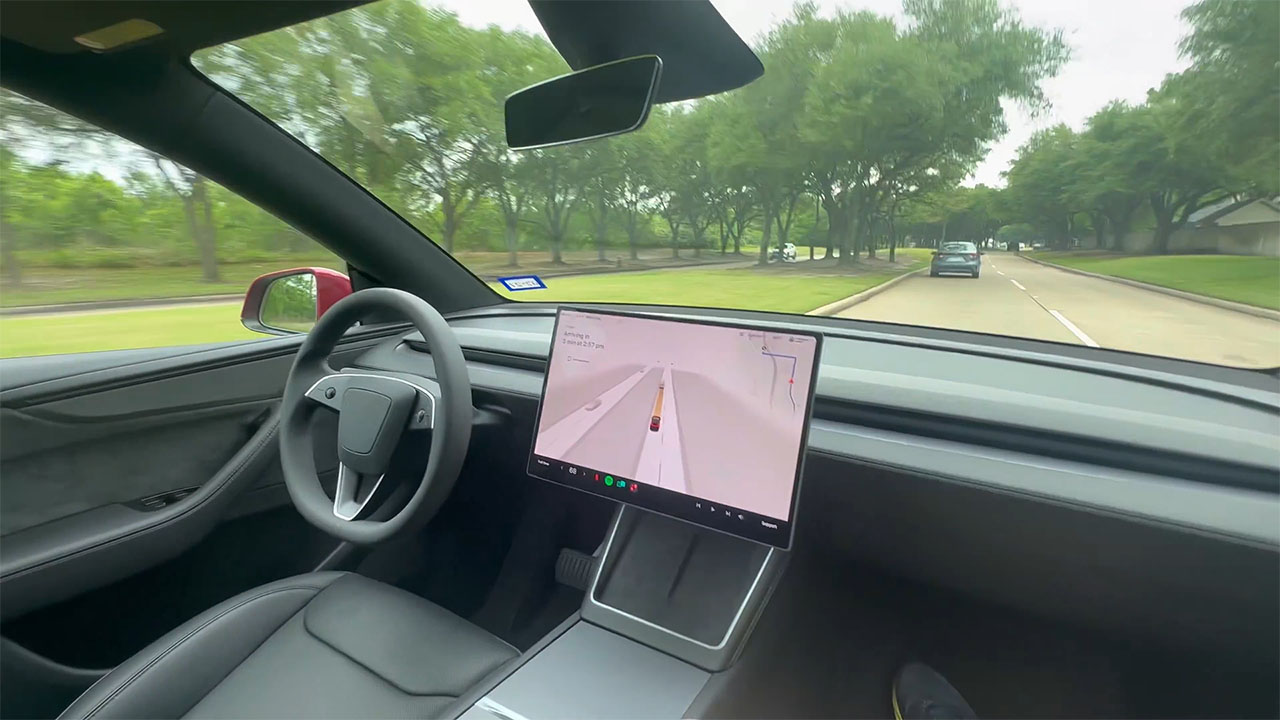
Tesla has made a decisive and aggressive move in the autonomous ride-hailing arena, launching its Unsupervised Robotaxi service in two of America's largest metropolitan areas. Over the weekend, the company expanded its Fully Self-Driving (FSD) powered network to both Dallas and Houston, Texas, marking a significant escalation in its competition with industry incumbent Waymo. Crucially, Tesla is not only entering new territory but doing so with a compelling price advantage, immediately positioning itself as a more accessible alternative in the burgeoning robotaxi market.
Strategic Expansion Under Texas's Permissive Framework
This expansion is not a spontaneous test but a calculated rollout enabled by regulatory foresight. In 2023, Tesla secured a state-wide license to operate its autonomous vehicle service across Texas, a permit that provides a broad operational canvas with comparatively softer regulations than those found in states like California. This regulatory environment has allowed Tesla to bypass a lengthy, city-by-city approval process and launch its service in major urban centers from day one. The immediate deployment of unsupervised vehicles—cars with no safety driver behind the wheel—in these complex new environments demonstrates a high degree of confidence in its FSD system's capabilities and reliability.
Price as a Primary Weapon in the Robotaxi War
Beyond the technological statement, Tesla's market entry strategy hinges on a powerful economic lever: cost. Early reports from users in Dallas and Houston indicate that Tesla's robotaxi fares are notably cheaper than comparable rides from Waymo. This pricing strategy is a direct challenge to Waymo's established but premium-priced service. By leveraging its vertically integrated model—controlling the vehicle manufacturing, the autonomy software, and the service platform—Tesla appears positioned to offer competitive rates that could accelerate consumer adoption and market penetration, using affordability as a key differentiator in a capital-intensive industry.
The implications of a successful Texas expansion are profound. Conquering the diverse and demanding road networks of Houston's sprawling highways and Dallas's dense urban cores serves as a critical stress test for FSD. Success here would provide invaluable data and a powerful proof case for regulators and the public in other regions. However, the move is not without risk. The performance and safety record of these unsupervised fleets in entirely new cities will be under immense scrutiny, with any significant incidents potentially impacting public trust and regulatory goodwill nationwide.
For Tesla owners and investors, this expansion is a tangible step towards realizing the long-promised vision of a scalable robotaxi network. It transforms theoretical fleet value into an active revenue-generating experiment. For investors, it represents a critical execution milestone that could begin to justify the substantial R&D investments into autonomy. For owners, particularly those in Tesla's designated ride-hailing zones, it previews a future where their vehicles could potentially earn income as part of the company's shared fleet. The Texas launch is more than a service expansion; it's the opening of a new front in the autonomous revolution, with Tesla betting its price and technology can win the day.