Tesla’s latest Full Self-Driving (Supervised) update, FSD v14.3.1 (firmware version 2026.2.9.7), has begun rolling out to a wider audience across the United States and Canada this week. While the point release aims to polish the major FSD v14.3 update that landed earlier this month, early adopters are already reporting a mixed bag of improvements and regressions. For a system that Tesla touts as the future of autonomous mobility, these quick subversion releases are critical for ironing out real-world kinks—but they also remind us that the journey to full autonomy remains a work in progress.
Rollout Status and Reported Regressions
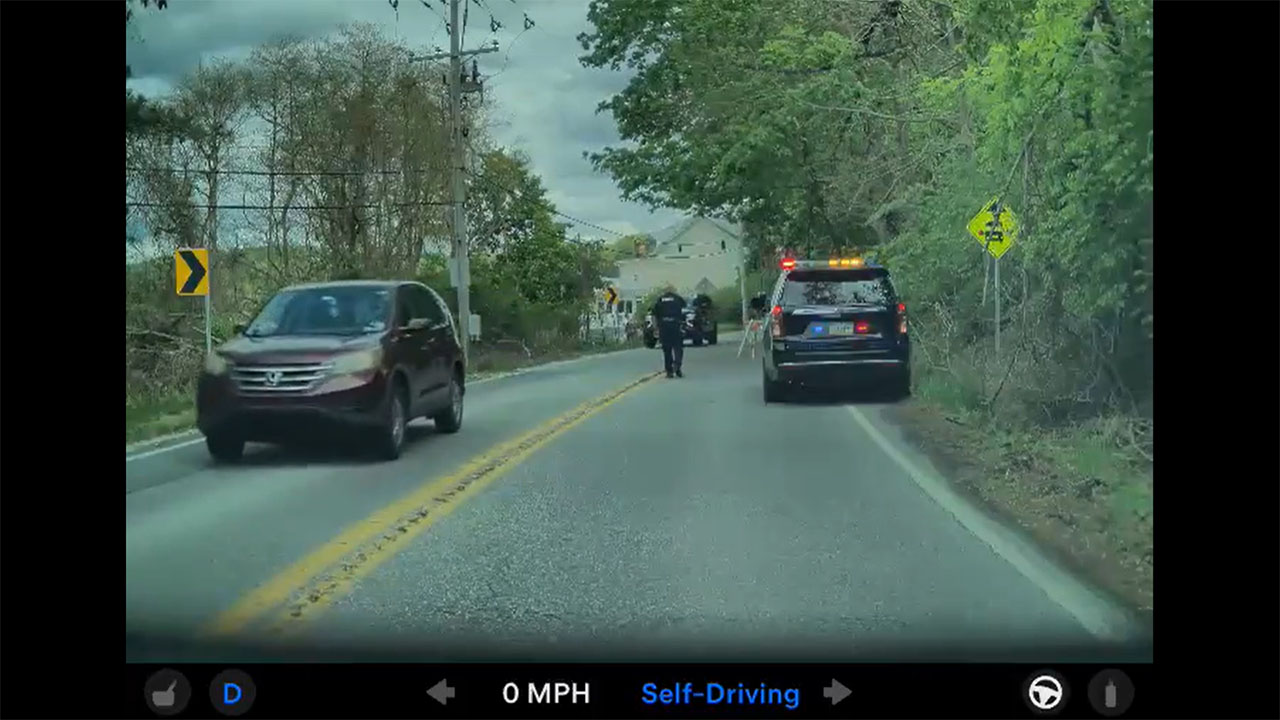
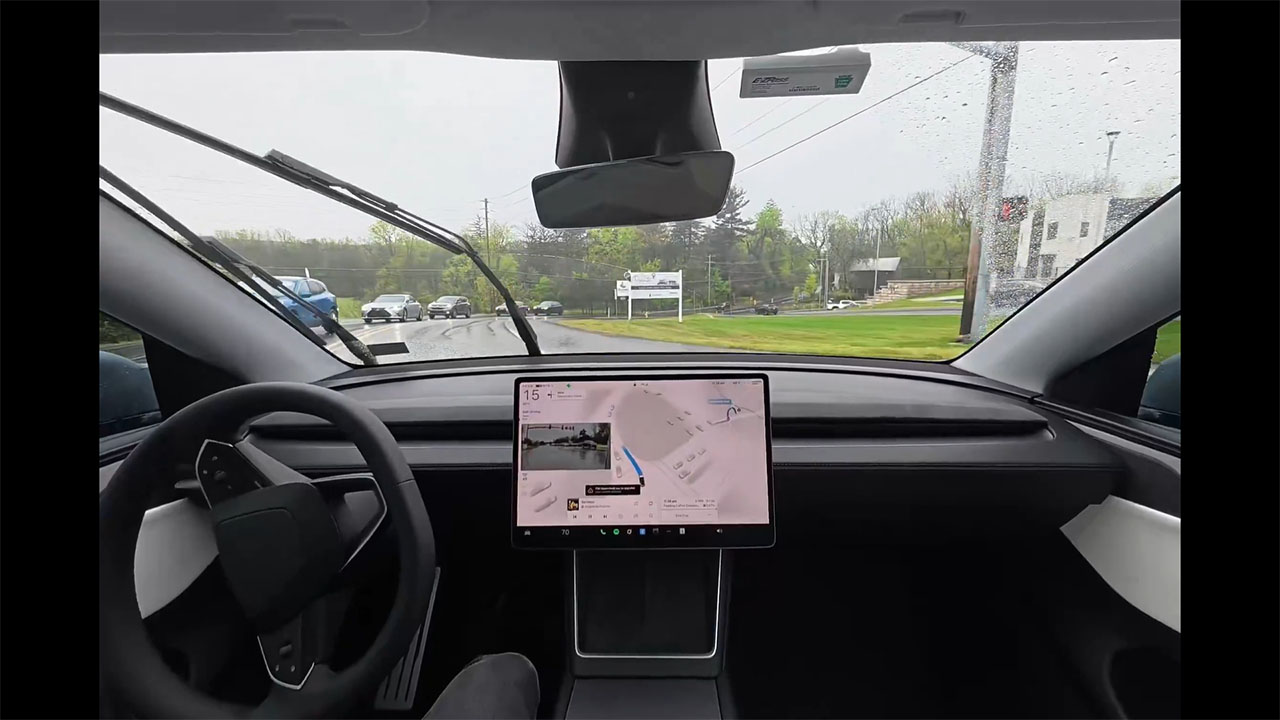
The deployment of 2026.2.9.7 has been steady, reaching more Tesla vehicles in both the US and Canada over the past seven days. However, initial owner reports on forums and social media indicate some notable regressions compared to the initial v14.3 release. Drivers have flagged issues such as hesitant lane changes on highways and occasional unnecessary braking at green lights, behaviors that many felt had been largely resolved in the previous major build. On the positive side, several users note smoother navigation through complex intersections and improved speed profile adjustments for curves. Tesla’s rapid iteration cycle means these complaints are likely being fed back into the training data, but for now, the experience is inconsistent across different driving environments.
Official Release Notes and Technical Context
According to the official release notes for FSD v14.3.1, the update focuses on “general improvements to driving behavior and object detection.” While the changelog is characteristically sparse, the 2026.2.9.7 build is believed to include refinements to the occupancy network and decision-making algorithms for unprotected turns. This is a classic Tesla strategy: deploy a major feature set, then quickly address edge cases with a point release. The fact that this update arrived within weeks of v14.3 underscores how aggressively Tesla is using its fleet data to patch vulnerabilities. For context, v14.3 itself was a landmark update that introduced end-to-end neural network control on city streets, making these iterative tweaks essential for maintaining safety and user confidence.
Implications for Tesla Owners and Investors
For current Tesla owners, the rollout of FSD v14.3.1 serves as a reminder to keep software updates enabled and to provide feedback through the vehicle’s reporting system. The regressions, while frustrating, are a natural part of the rapid development cycle—Tesla is prioritizing data collection over a flawless launch. For investors, the speed of this update signals that Tesla’s AI infrastructure is capable of fast iteration, a key competitive advantage. However, the mixed user reports also highlight the gap between supervised autonomy and the promised unsupervised robotaxi network. As TSLA pushes toward regulatory approval for unsupervised FSD, the ability to squash regressions quickly will be just as important as the headline features. Watch for the next major point release to see if Tesla can stabilize the experience for all drivers.