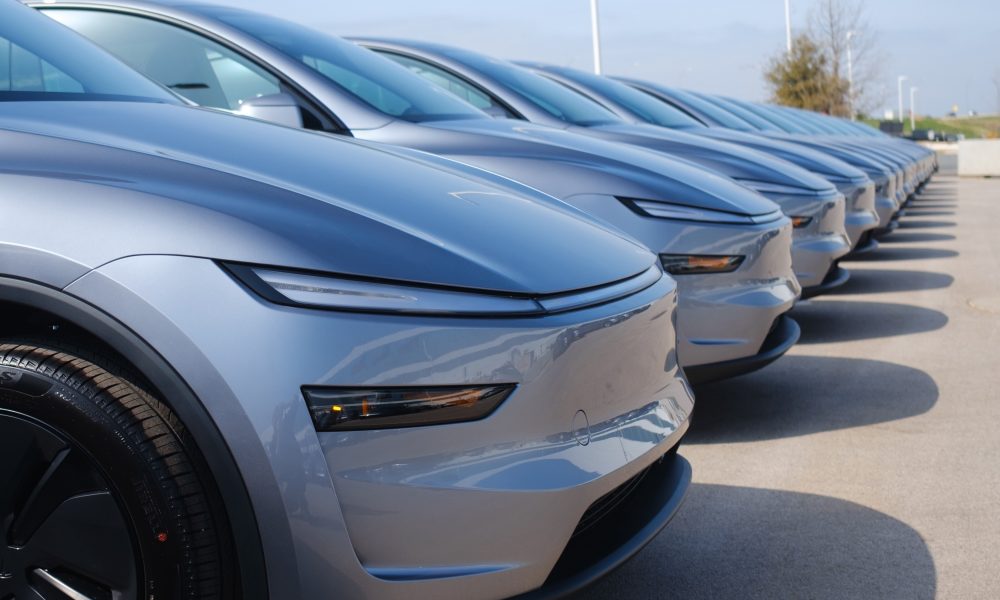
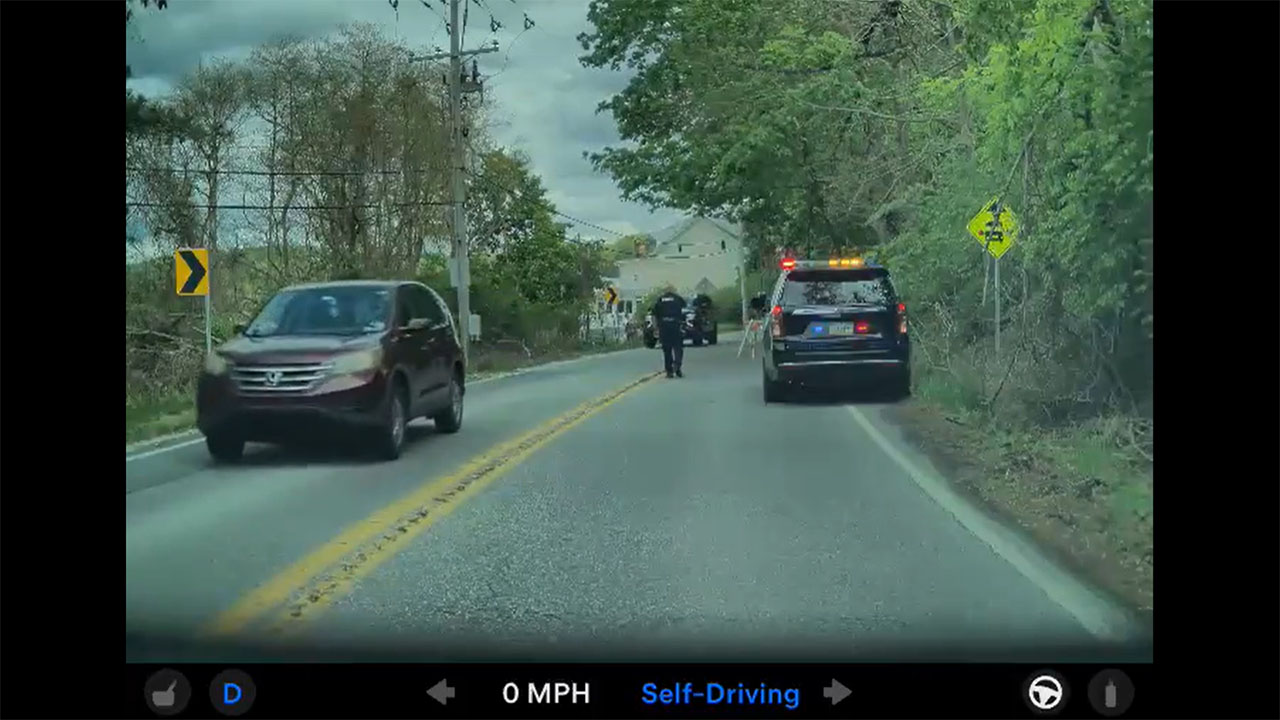
A sleek, headless vehicle, devoid of a steering wheel and pedals, silently navigating the neon-lit streets of Las Vegas is no longer a concept confined to an investor day presentation. The future of mobility, as envisioned by Elon Musk, has officially hit the road. The first known public sighting of Tesla's purpose-built Robotaxi, the Cybercab, in Nevada confirms the company is accelerating its autonomous ambitions from prototype to real-world validation.
From Rumor to Reality: The Vegas Sighting
The sighting was captured and shared by prominent Tesla watcher Sawyer Merritt, providing the first concrete evidence of the vehicle testing outside of a controlled environment. Spotted on public roads in Las Vegas, the Cybercab matches the minimalist, angular design revealed by Musk earlier this year. Its most striking feature—the complete absence of a traditional driver's cabin—underscores its core function: a fully autonomous vehicle built from the ground up for a ride-hailing network. This move to Nevada, a state with relatively permissive regulations for autonomous vehicle testing, is a strategic step in Tesla's development timeline.
The Unbundling of Tesla's Autonomous Strategy
This sighting crystallizes a critical shift in Tesla's approach. For years, the company's Full Self-Driving (FSD) software has been deployed on consumer vehicles equipped with cameras, steering wheels, and pedals. The Cybercab represents the "unbundling" of autonomy from human-driven cars. By designing a vehicle without manual controls, Tesla can optimize every aspect—sensor placement, seating layout, ingress/egress—for the Robotaxi use case. This dedicated platform is intended to maximize uptime, reduce cost per mile, and deliver a service experience fundamentally different from a traditional car or even a retrofitted EV.
The choice of Las Vegas is also symbolically and logistically significant. The city's dense, complex traffic patterns, combined with its 24/7 operational cycle and status as a global tourism hub, present an ideal, high-intensity proving ground. Success here would be a powerful testament to the system's robustness. It signals Tesla's intent to deploy its network in environments that demand high reliability, setting the stage for a scalable service model.
The Road Ahead: Validation and Scale
While the sighting is a milestone, it marks the beginning of a new phase of challenges. Tesla must now demonstrate not only the technical prowess of its FSD software on this new platform but also the operational excellence required to run a commercial fleet. This includes regulatory approvals, vehicle maintenance depots, fleet management software, and user interface design for passengers. The pressure is on to move from impressive test drives to a safe, economically viable, and widely available service.
For Tesla owners and investors, the Vegas sighting is a tangible signal that the company's high-margin, software-driven future is being actively built. It validates the immense R&D spend on autonomy as more than just a driver-assist feature. A successful Robotaxi network could unlock a recurring revenue stream that dwarfs automotive margins. For owners, it promises the potential to add their own vehicles to an autonomous Tesla network in the future, turning a depreciating asset into an income generator. The sight of a Cybercab on the strip is a clear message: the race for autonomous dominance is entering its most critical lap, and Tesla is pushing hard to lead it.