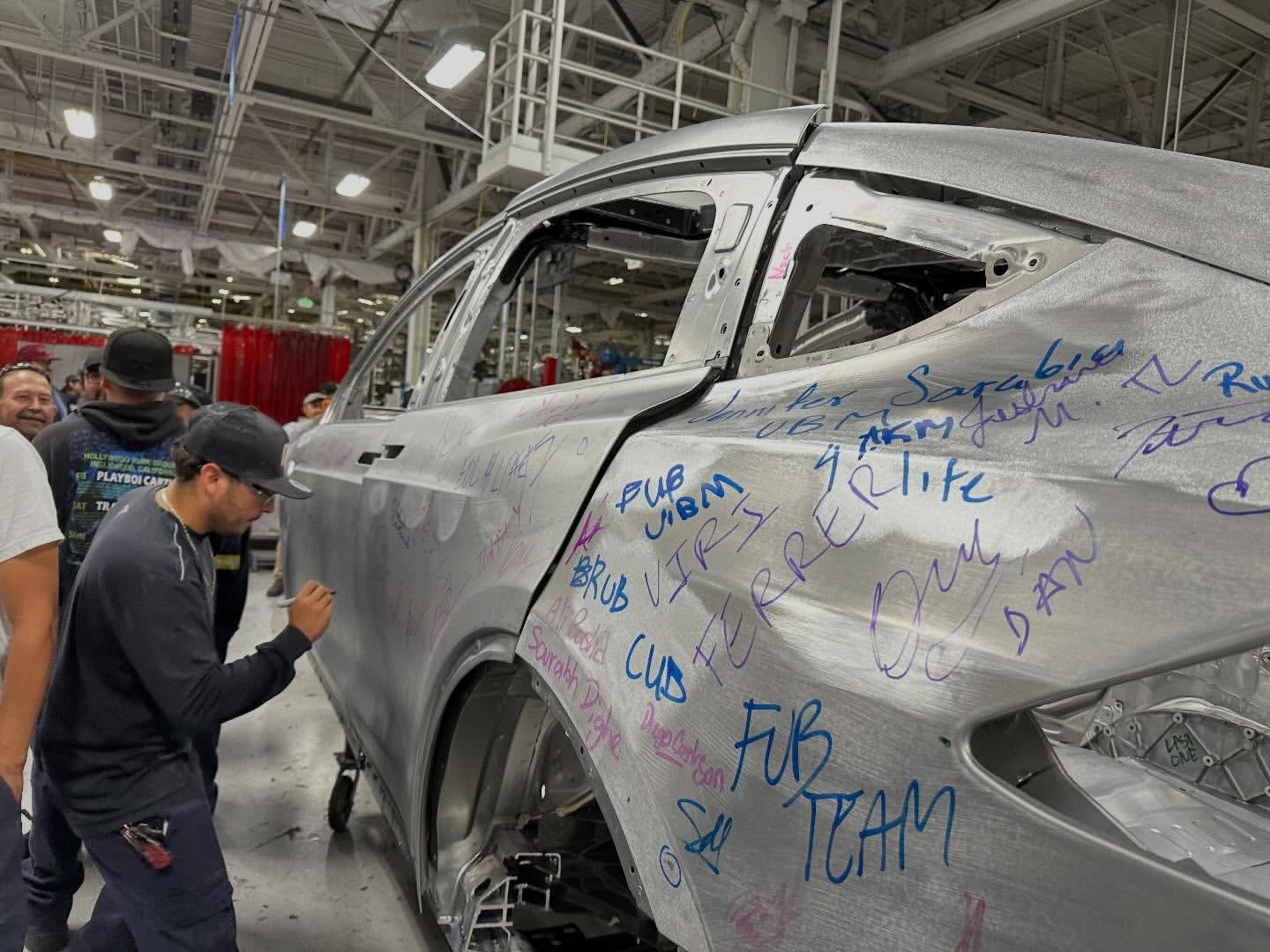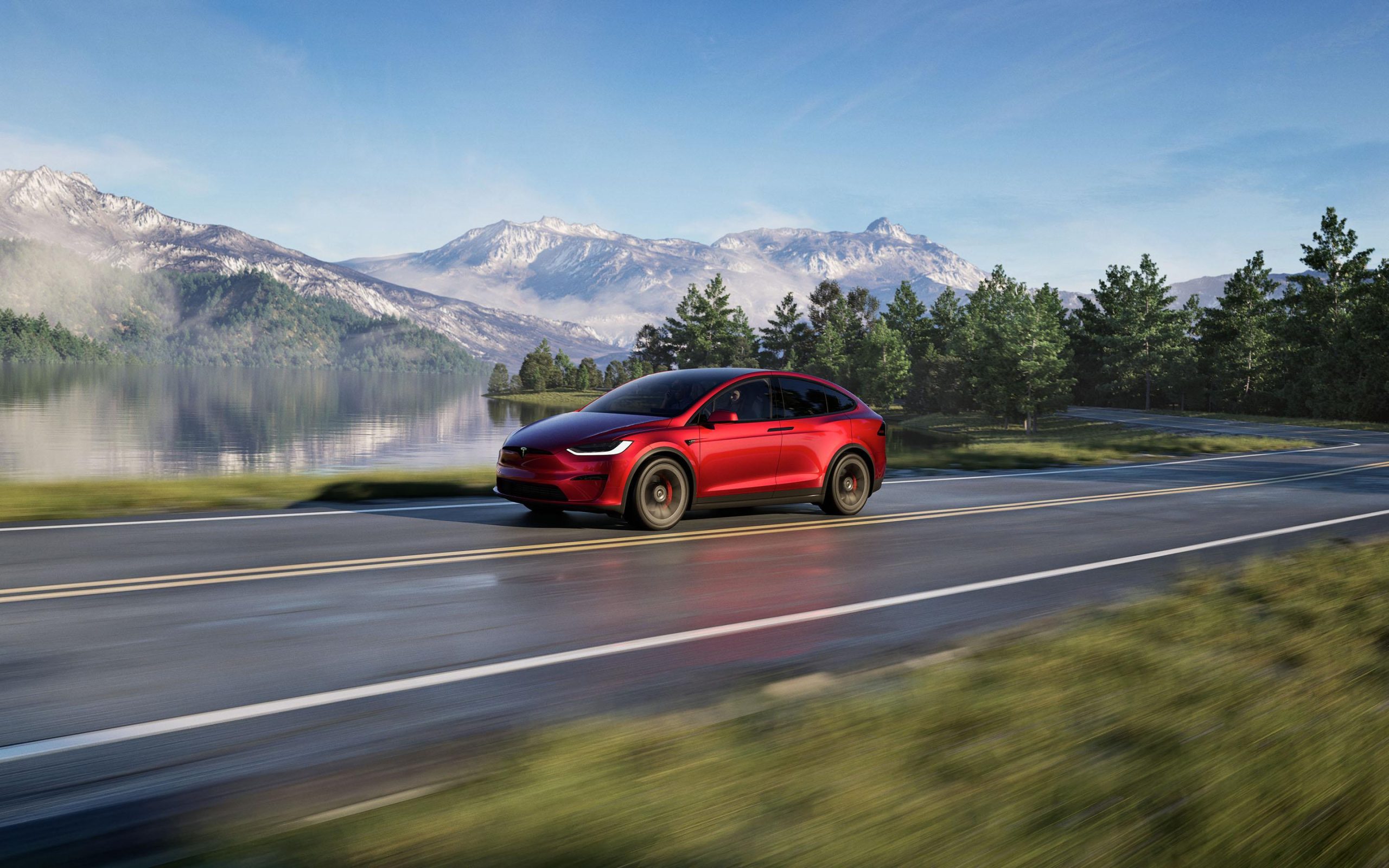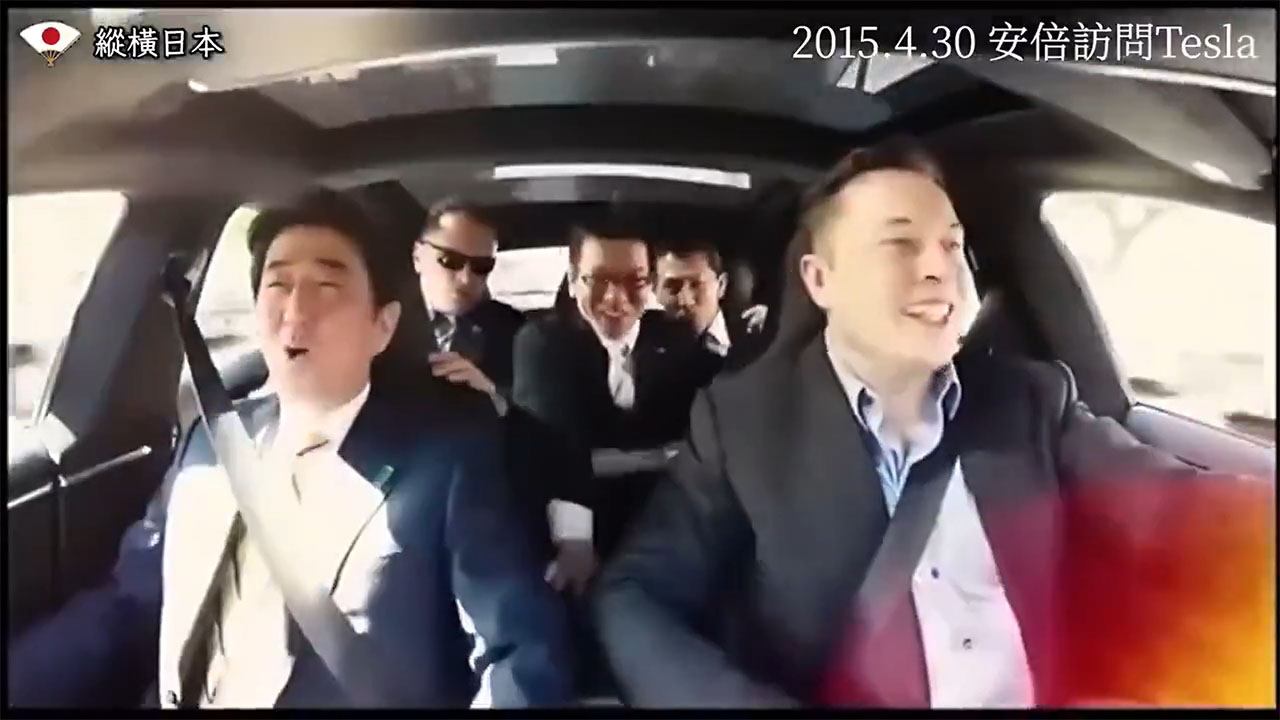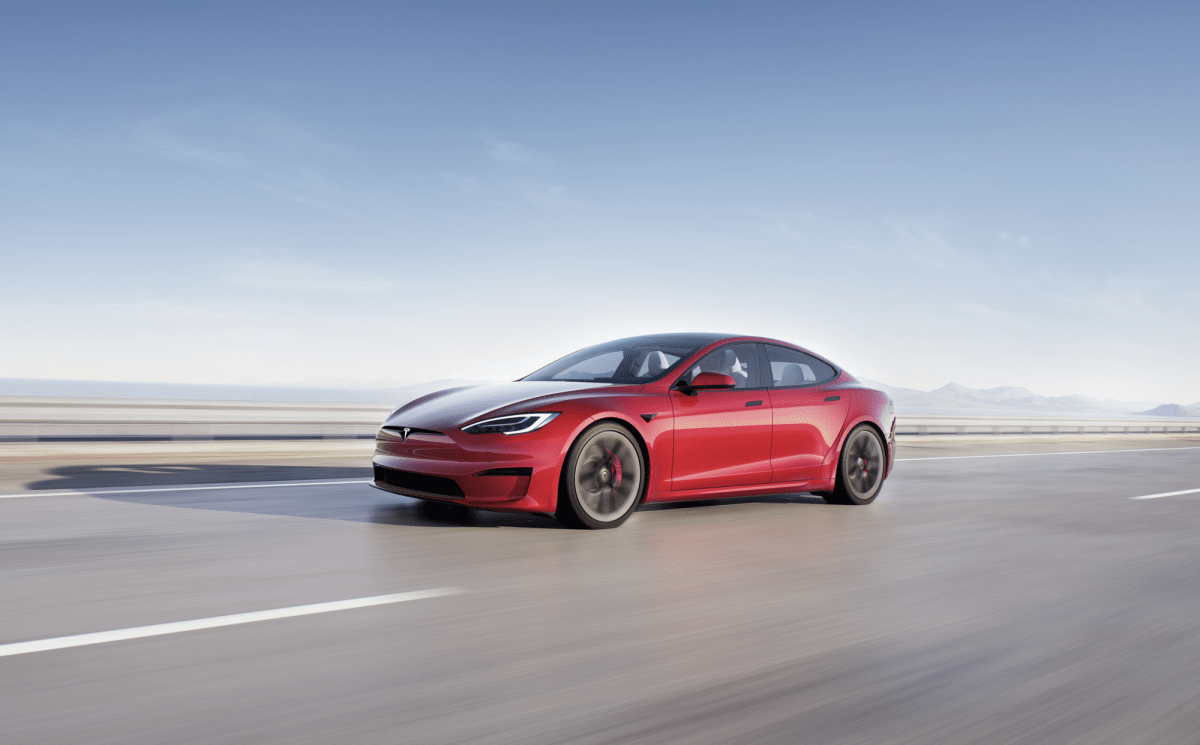
In a move that signals a seismic shift in its product strategy, Tesla has announced the impending end of production for its flagship sedan and SUV. CEO Elon Musk confirmed on Wednesday that the company will cease manufacturing the pioneering Model S and Model X in the second quarter of 2026. This decision marks the sunset of the vehicles that defined Tesla's ascent from niche automaker to global EV powerhouse, pivoting the company's focus squarely toward high-volume models and next-generation platforms.
The End of an Era for Tesla's Flagships
Introduced in 2012 and 2015 respectively, the Model S and Model X were more than just cars; they were technological statements that shattered perceptions of electric vehicle capability. The Model S's blistering acceleration and long range proved EVs could outperform luxury sedans, while the Model X's falcon-wing doors and futuristic cabin became symbols of Silicon Valley innovation. Their role was critical in establishing Tesla's brand as a premium, cutting-edge leader. However, in recent years, their sales have been dramatically eclipsed by the high-volume Model 3 and Model Y, which now constitute the overwhelming majority of Tesla's deliveries. This declining relevance in the sales portfolio ultimately sealed their fate.
Strategic Realignment Towards Volume and Next-Gen Tech
Analysts see this move as a clear strategic realignment of production and engineering resources. Discontinuing these lower-volume, more complex vehicles allows Tesla to streamline its manufacturing focus on its cash-cow models and the highly anticipated "Next-Generation" platform aimed at producing a more affordable compact EV. The company's sprawling factories in Austin and Berlin are optimized for the newer, simpler architectures of the Model Y and Cybertruck. Freeing up capacity and capital from the legacy Model S and X lines is a logical step to accelerate development of future products, including the robotaxi, which Musk has repeatedly emphasized as the company's primary focus.
The announcement also reflects the intense competitive pressures in the luxury EV segment. When the Model S launched, it had no direct rivals. Today, it competes with a flood of compelling electric sedans from Porsche, Mercedes-Benz, Lucid, and others. Rather than continually updating these aging platforms to fight an increasingly crowded battle, Tesla's leadership appears to have chosen to cede the niche luxury space and dominate the mass market, where its scale and cost advantages are most potent.
For current Tesla owners of these models, the implications are twofold. In the short term, residual values may see support from the "final edition" effect, as the vehicles transition from production cars to future collectibles. Long-term, concerns will naturally arise about parts availability and service support. Tesla will be legally obligated to provide support for years, but the owner experience for these legacy models will inevitably change. For investors, the decision underscores a disciplined, unsentimental approach to capital allocation. It reinforces management's commitment to prioritizing growth and scalability over legacy products, even iconic ones, potentially improving margins and accelerating the timeline for its next growth phase centered on autonomy and affordable EVs.