In a candid and revealing disclosure, Elon Musk has pulled back the curtain on a significant, previously unspoken hurdle in the development of the Tesla Optimus humanoid robot. While sleek presentations and simulated demonstrations have painted a picture of imminent reality, Musk's latest comments confirm a critical gap between theoretical design and practical, reliable execution. This admission sheds new light on the immense engineering challenge Tesla has undertaken, moving the conversation from speculative hype to the gritty realities of robotics innovation.
The Simulation-to-Reality Gulf
According to Musk, the core issue lies in a fundamental disconnect between digital models and physical performance. Designs and control systems that appeared flawless and highly capable in software simulations consistently failed when applied to the actual Optimus prototype. The robot, intended for complex, dexterous tasks like folding laundry or assembling delicate electronics, could not achieve the necessary level of reliability outside a controlled digital environment. This "simulation-to-reality gap" is a well-known and formidable obstacle in advanced robotics, highlighting that creating a general-purpose machine is exponentially more difficult than optimizing a single-purpose EV.
Patent Reveals a Pivot to Tactile Sensing
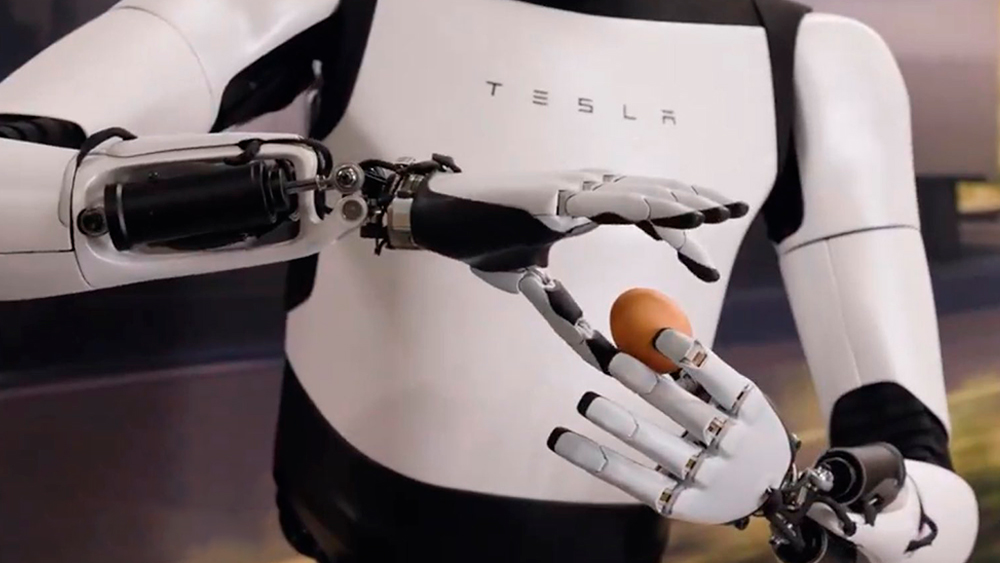
The shocking detail, hinted at in recent patent filings, is Tesla's strategic pivot to overcome this barrier. The company is moving beyond purely visual systems and investing heavily in advanced tactile sensing technology. New patents detail fingertip sensors designed to provide Optimus with a sophisticated sense of touch, allowing it to feel pressure, texture, and slip. This sensory feedback is crucial for handling unpredictable real-world objects with care and precision—something vision systems alone cannot guarantee. It represents a fundamental re-engineering of the robot's interaction paradigm, prioritizing physical feedback over visual inference for manipulation tasks.
This shift in approach carries significant implications for the project's timeline and scope. Integrating and calibrating a new sensory layer into the robot's neural network and control algorithms is a monumental software and hardware challenge. It suggests that while Optimus's basic mobility may be progressing, the fine motor skills required for its promised utility are in a earlier, more foundational phase of development. The revelation underscores that Tesla is still in the process of solving first-principle problems for humanoid robotics, not merely refining a finished product.
For Tesla investors and observers, Musk's transparency is a double-edged sword. It tempers near-term expectations for a rapidly commercialized robot while simultaneously demonstrating a pragmatic and technically serious approach to a problem that has stymied the industry for decades. The commitment to solving fundamental tactile sensing indicates a long-term investment in creating a truly useful machine, not just a compelling demo. However, it also signals that revenue from the Optimus program is likely many years away, placing it firmly in the category of ambitious, capital-intensive R&D.
For potential future owners and the broader electric vehicle ecosystem, the update reinforces that the path to a domestic or industrial helper robot is a marathon. The complexity of replicating even simple human dexterity is now clearer. Yet, if Tesla can successfully bridge this simulation-to-reality gap with its trademark vertical integration and AI expertise, the breakthrough would not only propel Optimus forward but could establish a new technological standard for the entire field of robotics.