The battle for autonomous driving supremacy is entering its most critical phase. On one side stands Tesla with its FSD v14, a fundamental rebuild that CEO Elon Musk has boldly branded as "the last major piece of the puzzle." On the other, Chinese EV giant Xpeng has unleashed its VLA 2.0 architecture, rolled out in March 2026 across its Ultra model lineup. This is not merely an incremental update; it is a head-to-head clash of two radically different philosophies for achieving full self-driving, and the outcome will define the next decade of mobility.
Two Different Paths to Autonomy
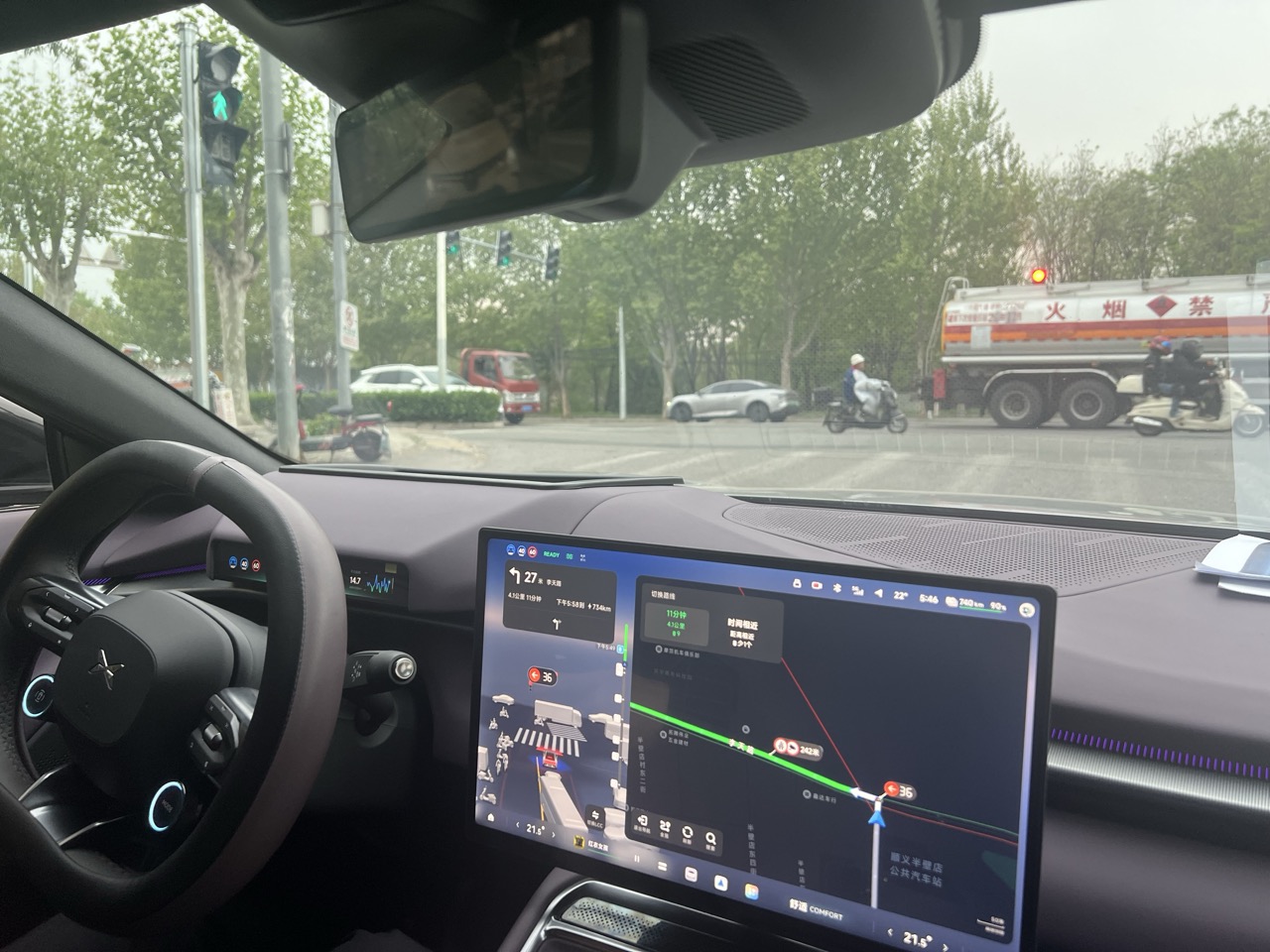
Tesla's FSD v14 represents a decisive break from its predecessors. Musk has confirmed this is a "major architectural rewrite," shifting away from legacy code toward a more unified, end-to-end neural network. The system now processes raw visual data with dramatically less reliance on hard-coded rules, aiming for a driving behavior that feels more human and intuitive. In stark contrast, Xpeng's VLA 2.0—short for Vision-Language-Action model—takes a different approach. It integrates large language model capabilities directly into the driving stack, allowing the vehicle to understand complex, contextual commands like "park near the red truck" rather than just "park." This gives Xpeng a distinct edge in human-machine interaction, but it also introduces a level of computational complexity that Tesla has so far avoided.
Performance and Real-World Deployment
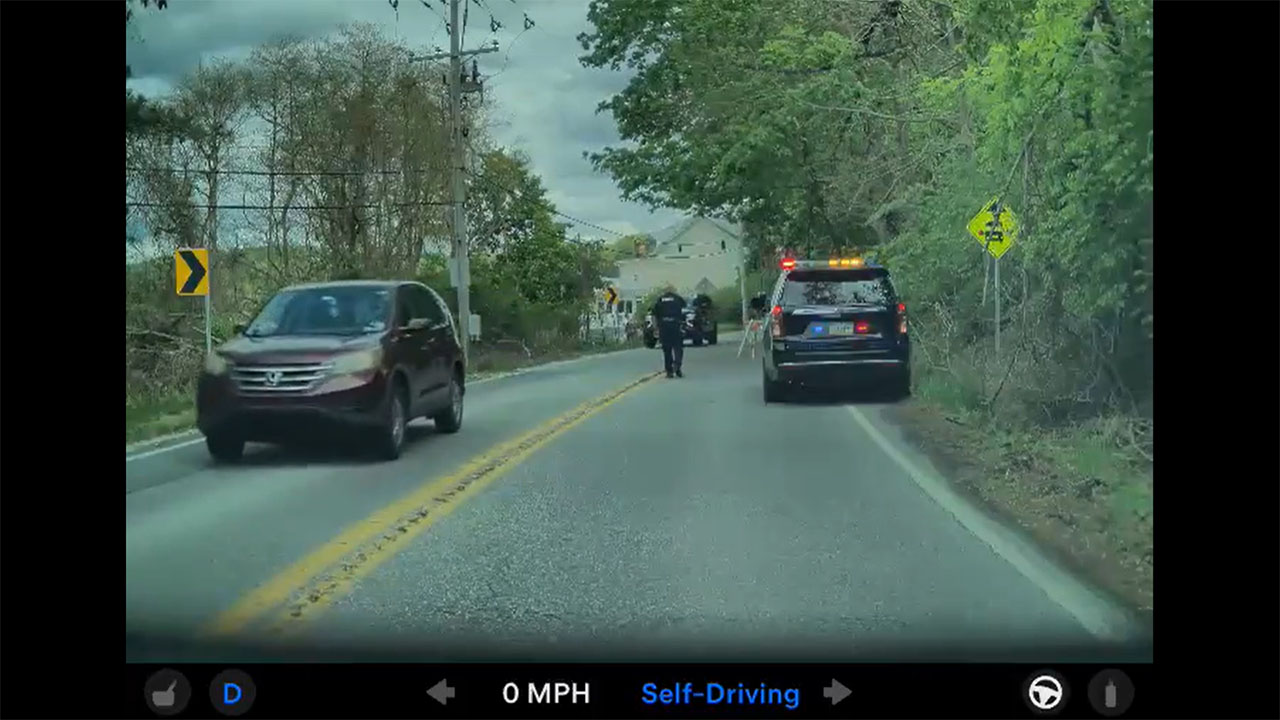
Early reports from beta testers of FSD v14 suggest a significant leap in handling unprotected left turns and navigating construction zones, with intervention rates dropping by an estimated 40% compared to v13. However, Tesla's system remains heavily reliant on its vast fleet data to train these new neural networks. Meanwhile, Xpeng's VLA 2.0 is already in customer hands in China, demonstrating impressive zero-shot generalization—meaning it can handle unfamiliar roads and scenarios without needing specific training data. The real test will be regulatory. Tesla’s approach is designed for a global rollout, while Xpeng must prove its AI can handle the chaotic, unpredictable driving environments outside of China, particularly in North America and Europe.
Implications for Tesla Owners and Investors
For current Tesla owners, FSD v14 is a double-edged sword. If it delivers on its promise, the value of their vehicles—especially those equipped with the latest AI 4.0 hardware—could appreciate significantly as the software unlocks true autonomous capabilities. Investors, however, face a more nuanced picture. Xpeng's VLA 2.0 proves that the competition is not standing still. Tesla's lead in data volume is immense, but Xpeng's architectural innovation in merging vision with language models could leapfrog traditional approaches. The key metric to watch over the next six months is not just miles driven, but the critical disengagement rate per thousand miles. The company that achieves a sub-100 mile disengagement rate first will likely win the regulatory race. For now, Tesla's global scale gives it the edge, but Xpeng has proven it can innovate faster. The 2026 showdown is just beginning, and both companies are betting everything on their chosen path.