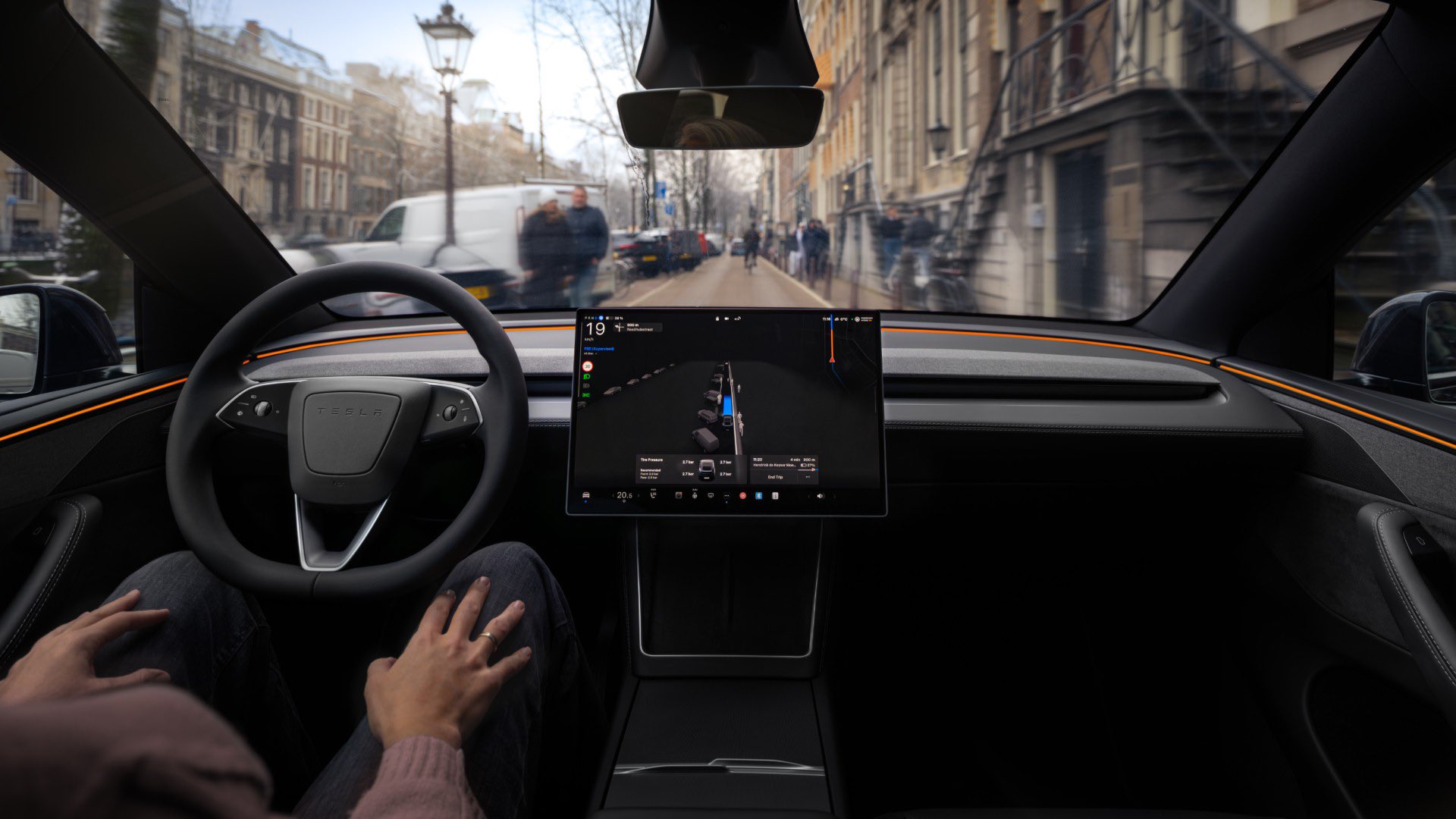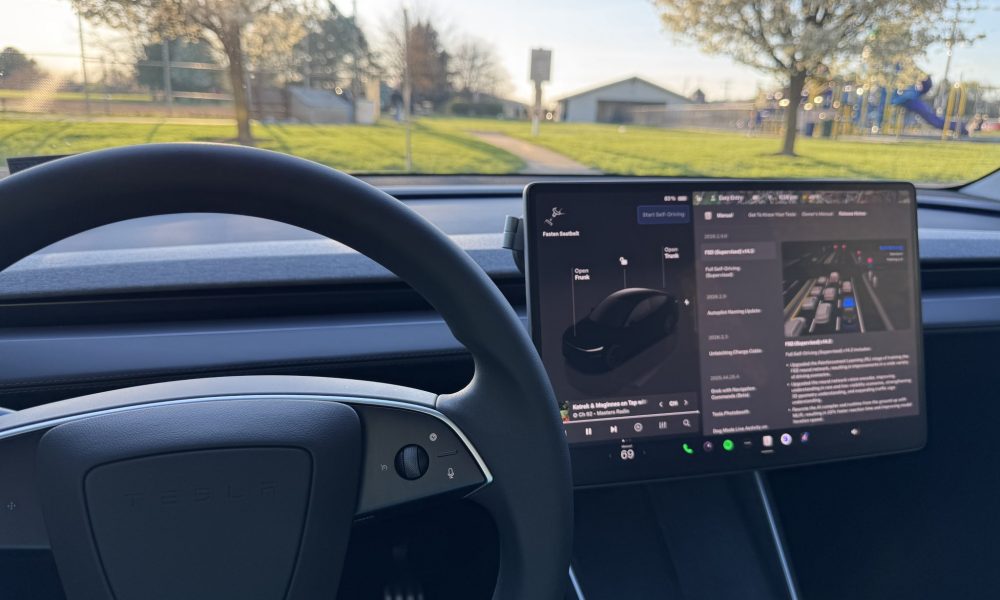
For years, the rollout of Tesla's Full Self-Driving (FSD) software has been a tale of two continents, with North American owners receiving increasingly sophisticated updates while European drivers watched from the sidelines. The recent regulatory approval in the Netherlands has ignited hope for a pan-European launch, but a closer examination reveals a critical truth: the European FSD experience is fundamentally different from its U.S. counterpart, and not merely due to map data.
A Regulatory Fork in the Road
The core divergence stems from stringent European Union vehicle type-approval regulations. Unlike the U.S., where Tesla can deploy and update its advanced driver-assistance systems (ADAS) under a more flexible framework, the EU treats significant software changes as new vehicle systems requiring fresh certification. This process is not only time-consuming but also prescriptive. Consequently, the FSD version approved for Europe is a modified branch of the software, specifically adapted to meet UNECE regulations. It is, in essence, a distinct product built on a shared technological foundation but shaped by a different rulebook.
The "Supervised" Reality and Feature Disparity
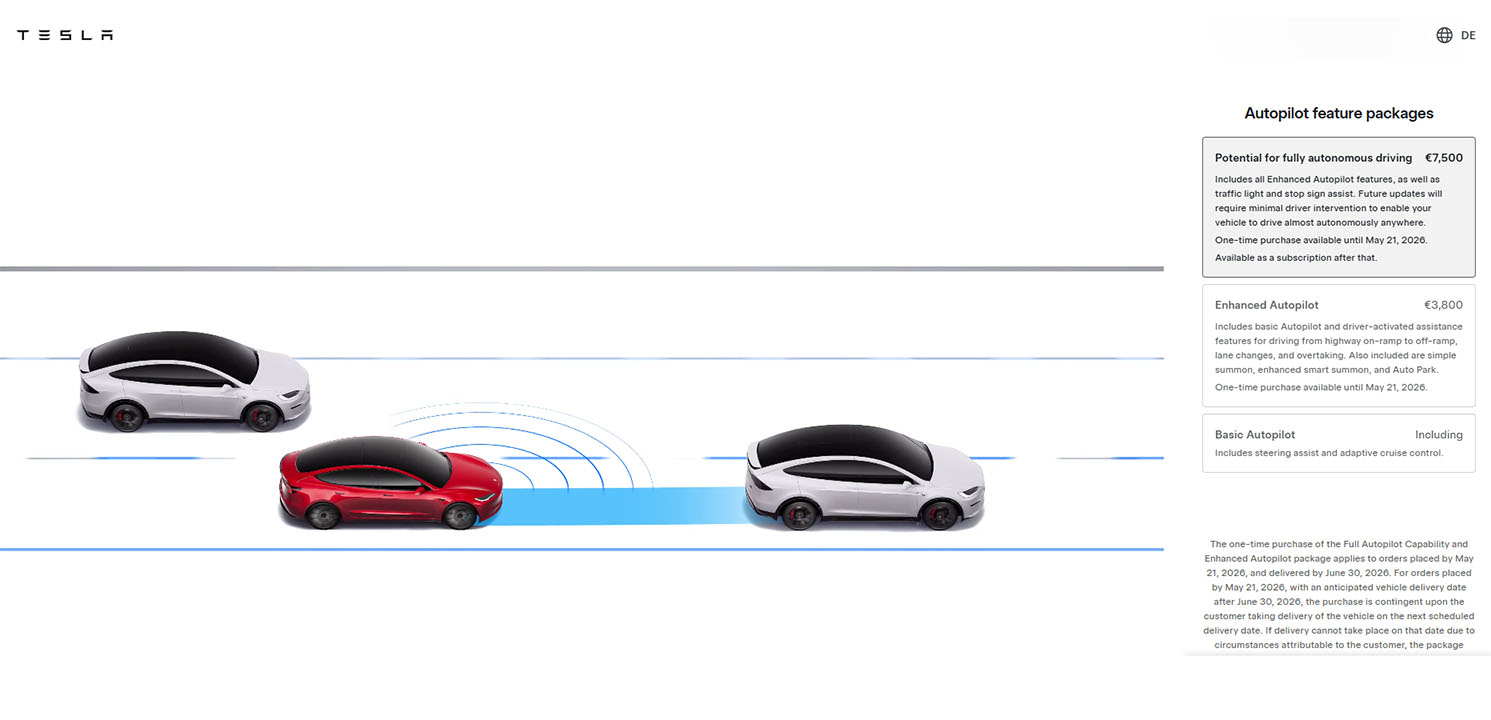
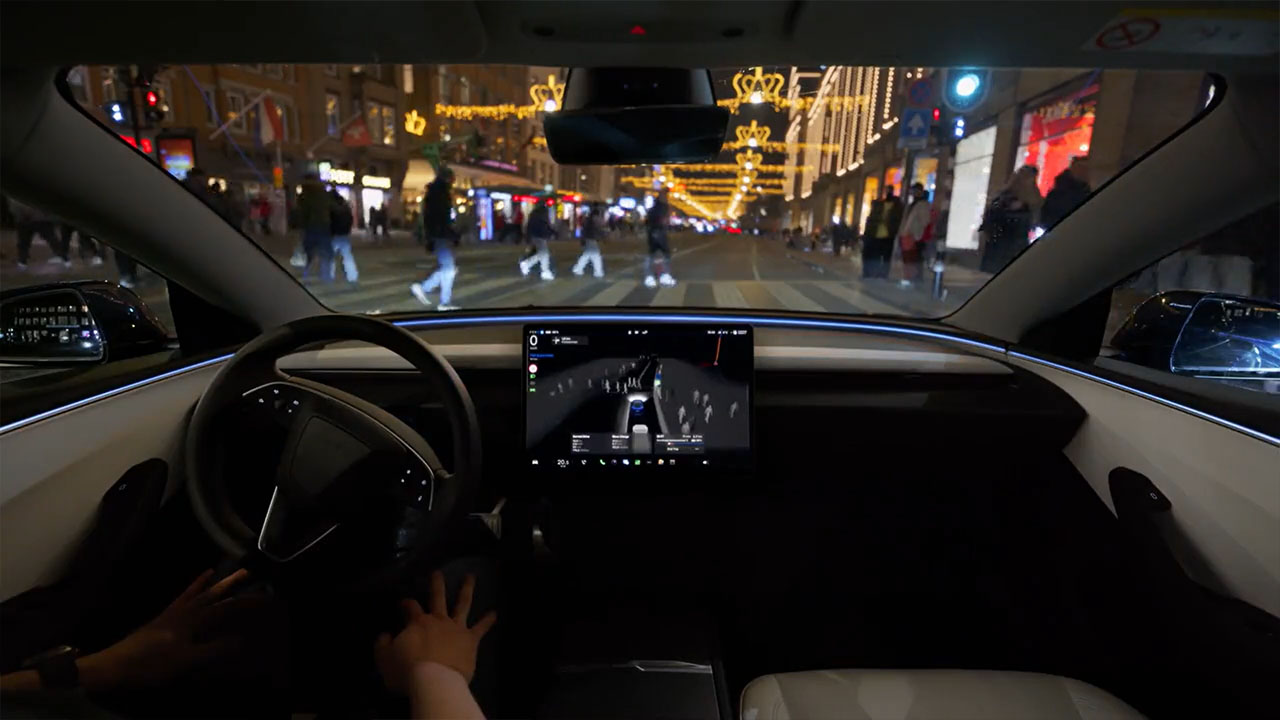
European drivers must also temper their expectations regarding capability. The system approved is explicitly Tesla FSD (Supervised), emphasizing the driver's continuous responsibility. More notably, it lacks the single most ambitious feature of the U.S. "FSD Beta" stack: automatic navigation on city streets. The European iteration is expected to be an enhanced version of the current Autopilot and Enhanced Autopilot features, focusing on highway use with more confident lane changes and navigation interchanges. The complex, unsupervised decision-making required for urban driving remains a distant prospect under current EU regulatory interpretation.
This disparity highlights a broader philosophical clash between Silicon Valley's iterative, data-driven development and Europe's precautionary principle in regulation. Tesla's U.S. strategy relies on collecting billions of real-world driving miles to train its neural networks rapidly. The EU's stricter, pre-approval model inherently slows this feedback loop, potentially creating a widening gap in system performance and evolution. The approval in the Netherlands is a landmark first step, but a synchronized, continent-wide rollout will require navigating a patchwork of national authorities, each with the power to demand specific validations.
Implications for Tesla Owners and Investors
For Tesla owners in Europe, this means the long-awaited FSD subscription or purchase will deliver a capable highway assistant, not the "AI driver" demonstrated in American videos. The value proposition of a multi-thousand-euro upgrade must be evaluated against this reality. For investors, the European regulatory environment presents a persistent headwind for Tesla's high-margin software revenue narrative in a key market. It underscores that Tesla's technological lead, while substantial, is not immune to regional legal frameworks that can dictate product capability. The company's ability to work within these constraints while continuing to advance its global AI training will be a critical test of its long-term strategy outside North America.