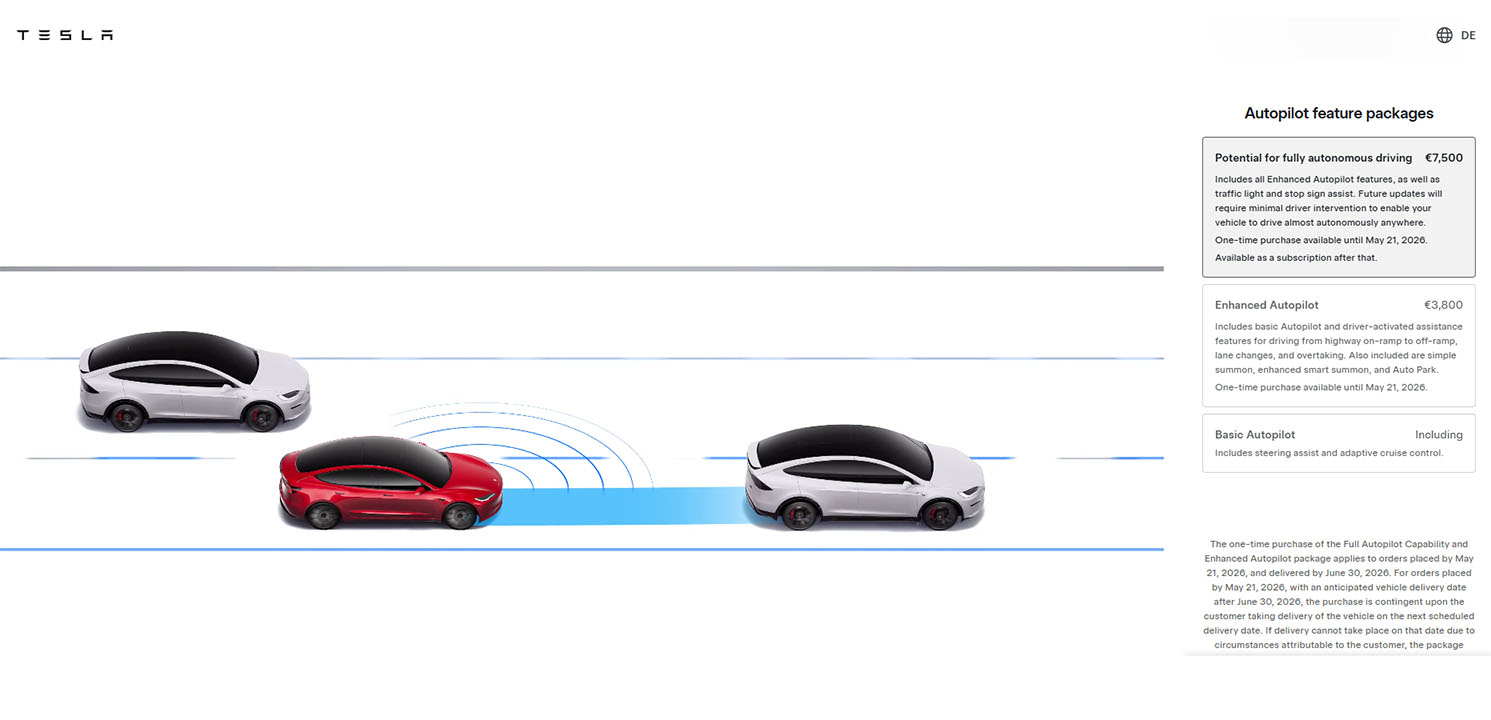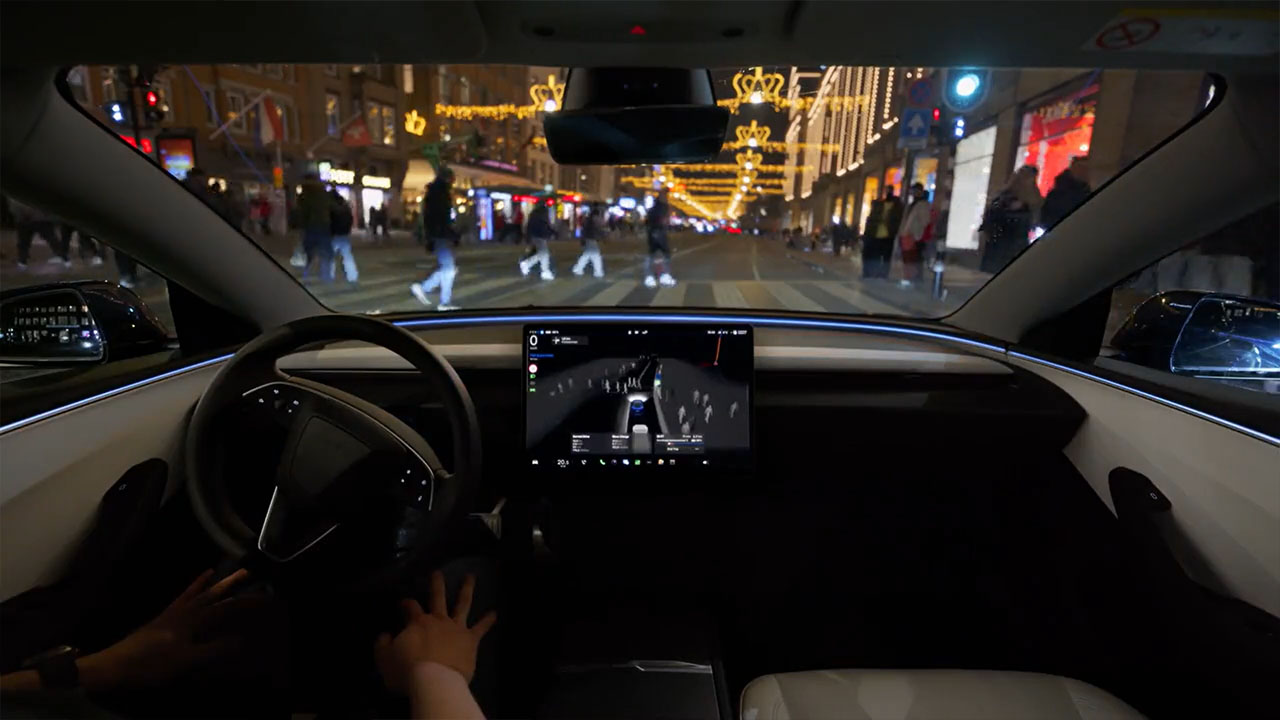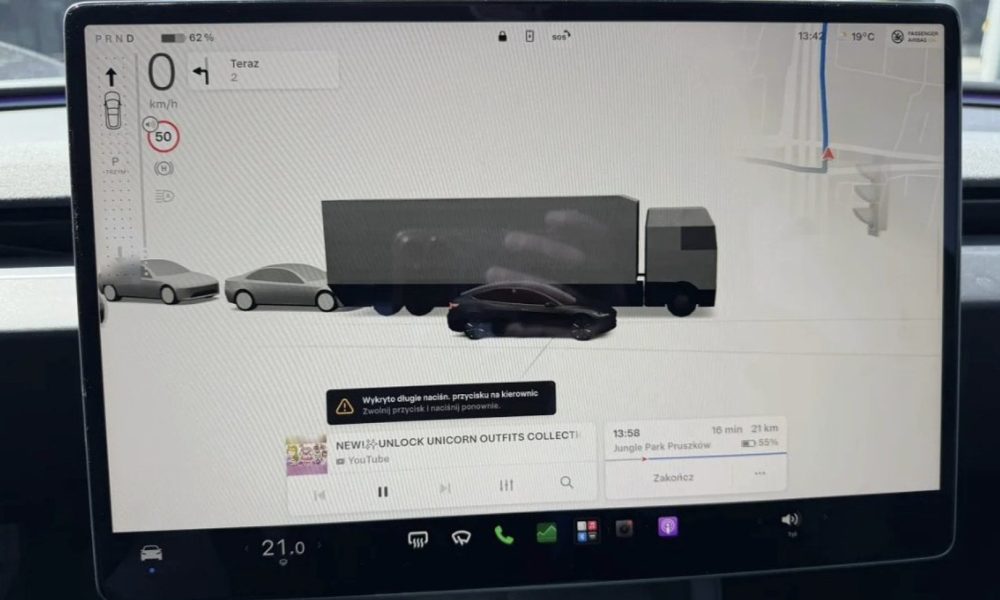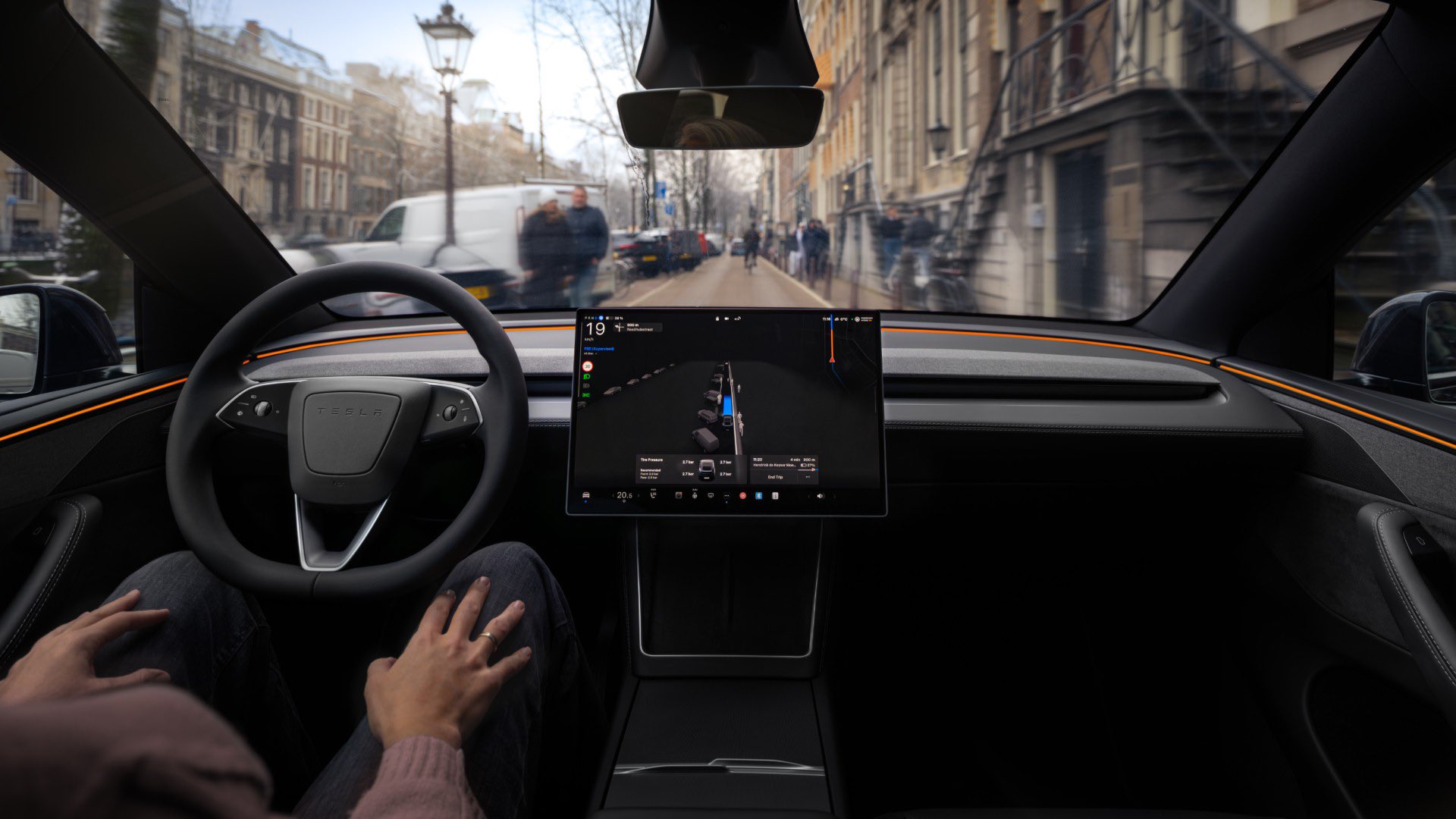
I almost sold my Tesla because of a software update. It sounds dramatic, I know, but let me explain. On April 23rd, I opened the Tesla configurator for the first time since taking delivery of my vehicle. Curiosity got the better of me after reading that Full Self-Driving (FSD) had just been certified in the Netherlands. What I saw next stopped me cold. Tesla had quietly removed free Autopilot from all new orders. No more lane keeping. No more standard adaptive cruise control. The feature that defines the basic Tesla ownership experience for hundreds of thousands of drivers was simply gone, buried under a paywall. In that moment, the trust I had placed in the company felt shaken, and I seriously considered listing my car for sale.
The Silent Removal That Changed Everything
This wasn't a minor interface tweak or a bug fix. This was a fundamental shift in what a new Tesla customer gets for their money. Historically, every new Tesla came standard with Autopilot, which includes traffic-aware cruise control and lane-centering. It's the gateway feature, the one that makes a Tesla feel futuristic even without the premium FSD package. By silently removing it, Tesla effectively raised the effective price of entry for anyone wanting that core experience. For existing owners like me, the move sparked a wave of anxiety: if they can strip Autopilot from new cars without warning, what else might change via an over-the-air update for current owners? The fear of losing functionality I had already paid for was enough to push me toward the "sell" button.
Why This Matters More Than a Price Cut
Price cuts are one thing. You can see them, evaluate them, and decide if the car is still worth it. But a software-based feature removal is different. It attacks the ownership experience itself. Tesla's entire value proposition relies on the idea that the car gets better over time through updates. This move inverted that promise. Instead of adding value, Tesla subtracted a core feature from the entry-level package. For investors, this is a critical signal: the company is willing to cannibalize customer goodwill to push higher-margin FSD subscriptions. For owners, it creates a new risk. Your car's feature set is no longer fixed at purchase; it is subject to the whims of the product roadmap. That uncertainty is toxic for brand loyalty.
What This Means for Tesla Owners and Investors
For current Tesla owners, the immediate takeaway is to lock in your current software features. If you have free Autopilot, it is unlikely to be removed from your car retroactively — but the precedent is unsettling. Keep an eye on your app and vehicle settings after each update. For investors, this move is a double-edged sword. It pressures new buyers to purchase FSD or Enhanced Autopilot, boosting revenue per vehicle. But it also erodes the "standard" Tesla experience that drives word-of-mouth sales. If new owners feel nickel-and-dimed from day one, the brand's reputation for value takes a hit. The smart money watches not just quarterly deliveries, but customer satisfaction scores and retention rates. Right now, the silence from Tesla on this change speaks louder than any press release. Trust, once removed, is much harder to restore than any software feature.