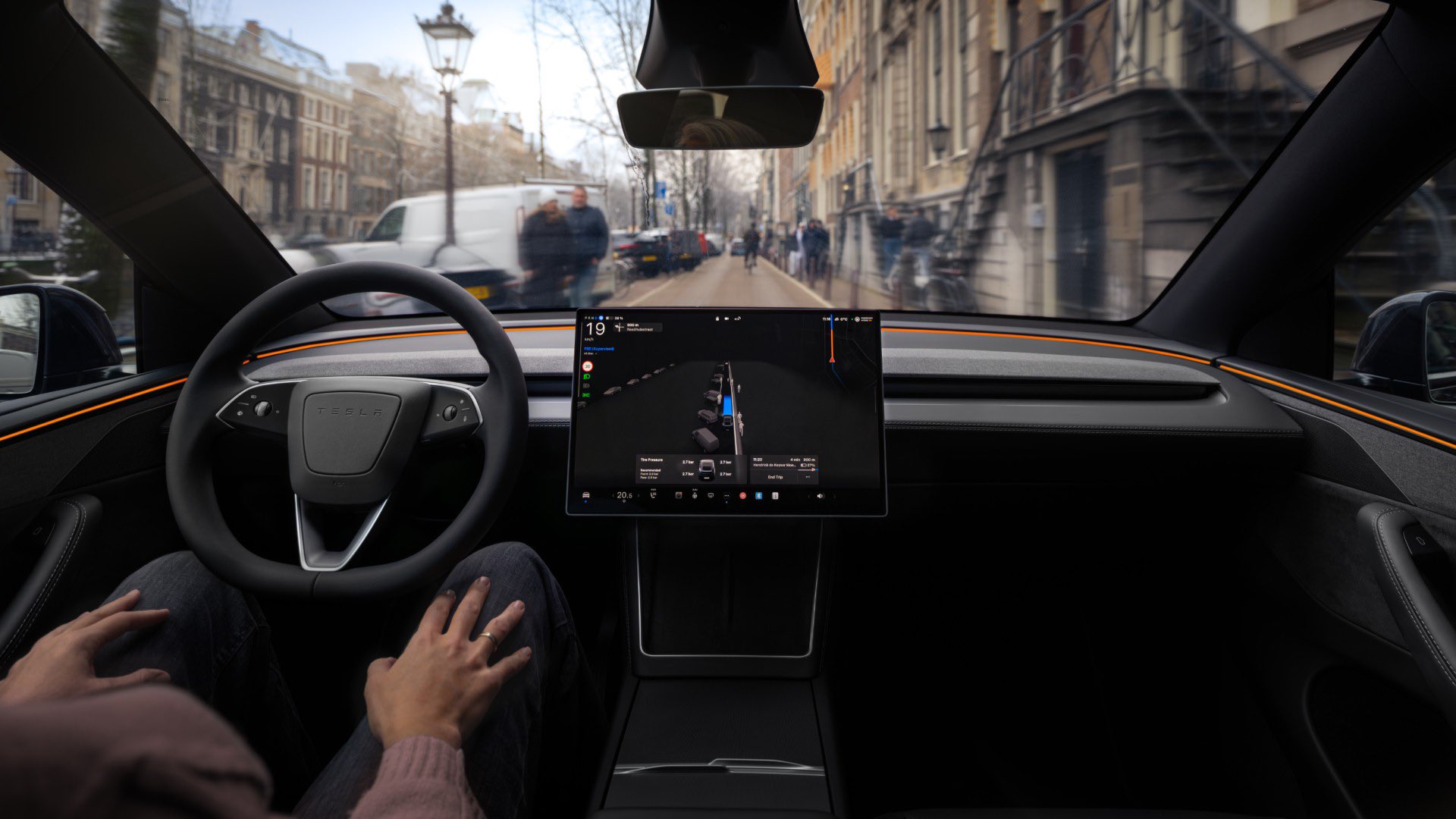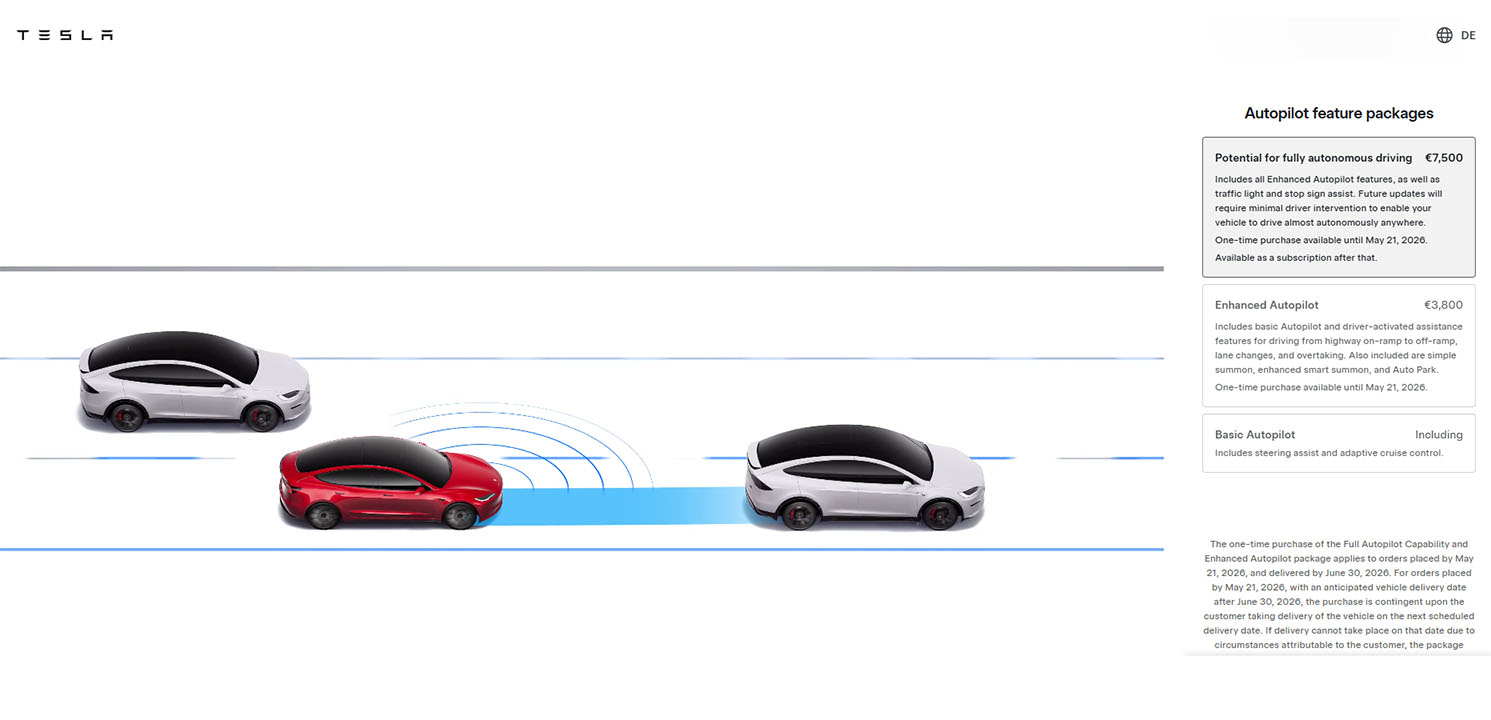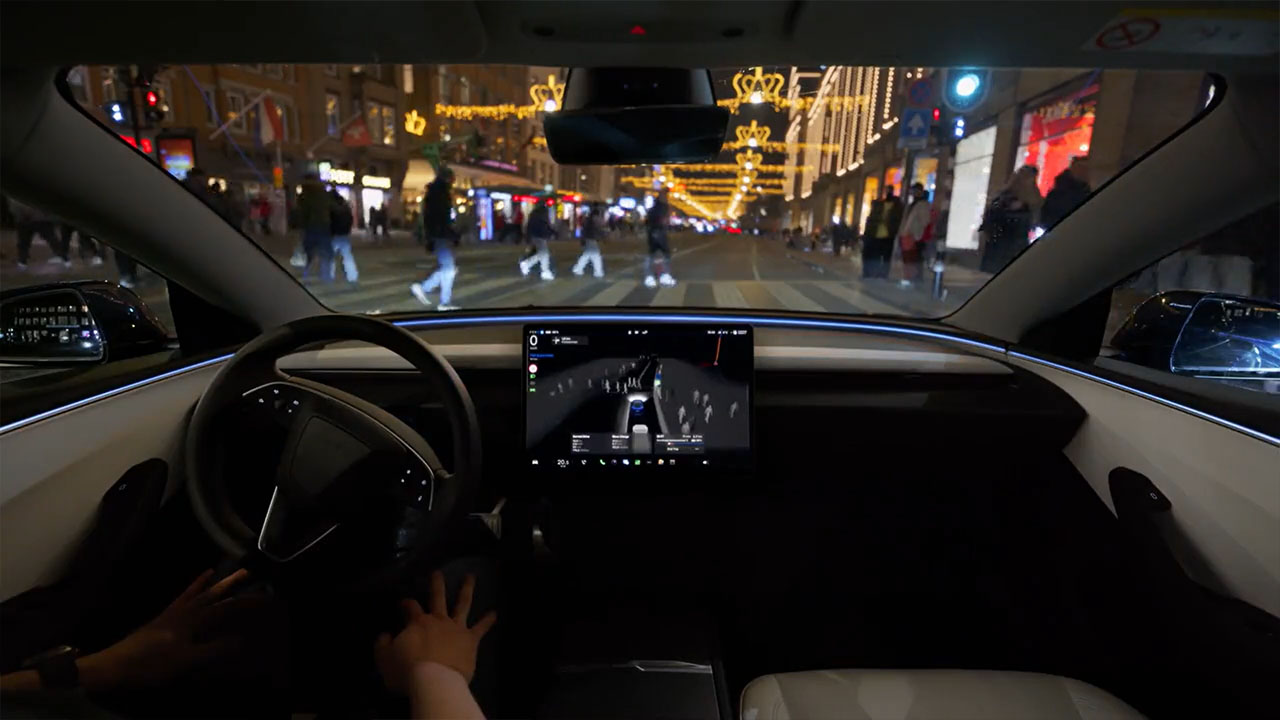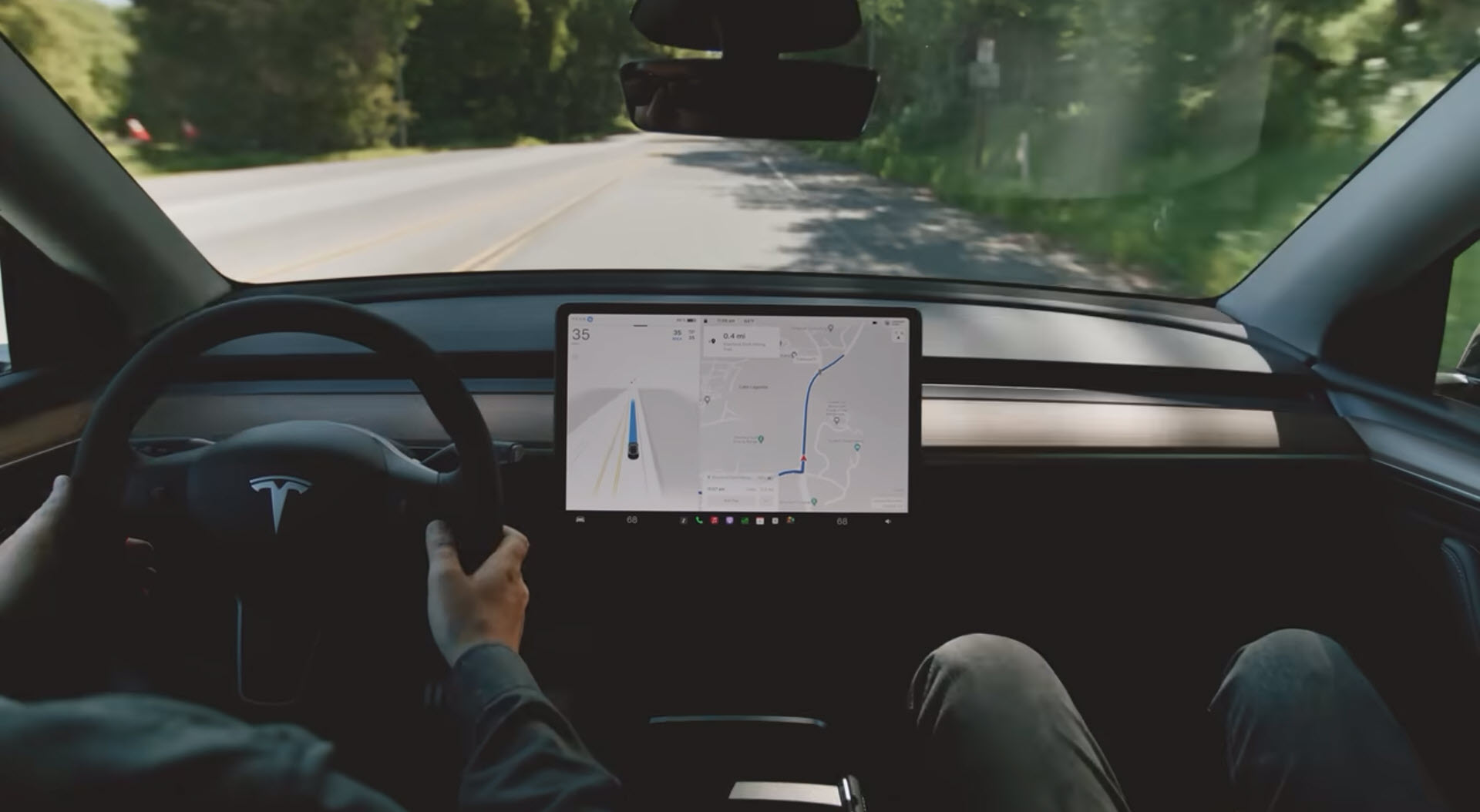
In a move that could fundamentally reshape the European electric vehicle landscape, Tesla's advanced driver-assistance system has cleared a pivotal regulatory hurdle. The Dutch vehicle authority, RDW, has formally notified the European Commission of its intent to seek EU-wide type approval for Tesla's Full Self-Driving (Supervised) technology. This procedural step, following successful validation in the Netherlands, is the critical gateway for a potential rollout across all 27 member states, signaling the most significant regulatory opening for FSD outside North America to date.
The Regulatory Pathway Clears
The notification to the European Commission initiates a standardized six-month review period, during which other member states can raise technical objections. The RDW's action is not merely a national certification but a deliberate push for harmonized approval under the EU's Whole Vehicle Type Approval framework. This process, designed to avoid 27 separate national certifications, means that a green light from the Commission would allow Tesla to activate FSD (Supervised) for compatible vehicles across the continent. The breakthrough stems from Tesla's successful demonstration of the system to Dutch regulators, who are acting as the technical service for this EU-wide application.
Adapting FSD for the European Ecosystem
Deploying a system originally trained on North American roads in Europe's complex and varied driving environments is a monumental challenge. Tesla's FSD stack for Europe will require significant adaptations to handle roundabouts, narrower streets, and diverse signage at a scale not previously attempted. Furthermore, the EU's strict General Safety Regulation (GSR) mandates rigorous data privacy, driver monitoring, and system safety standards. Tesla's "Supervised" branding, emphasizing constant driver oversight, aligns with the EU's cautious regulatory philosophy. The company's ability to pass the RDW's scrutiny suggests its neural networks have made substantial progress in interpreting European driving scenarios.
The implications of an EU approval extend far beyond a new feature launch. For Tesla owners in Europe, it promises a substantial enhancement to their vehicle's capability and value, potentially unlocking the long-promised potential of their hardware investments. For investors, it opens a massive new market for the high-margin FSD software, a key pillar of Tesla's recurring revenue strategy. Success in Europe would also serve as a powerful proof-of-concept for other global regions, accelerating the company's autonomy roadmap. However, the rollout will be gradual, likely starting with a limited beta, and its public reception will be closely watched by regulators worldwide.