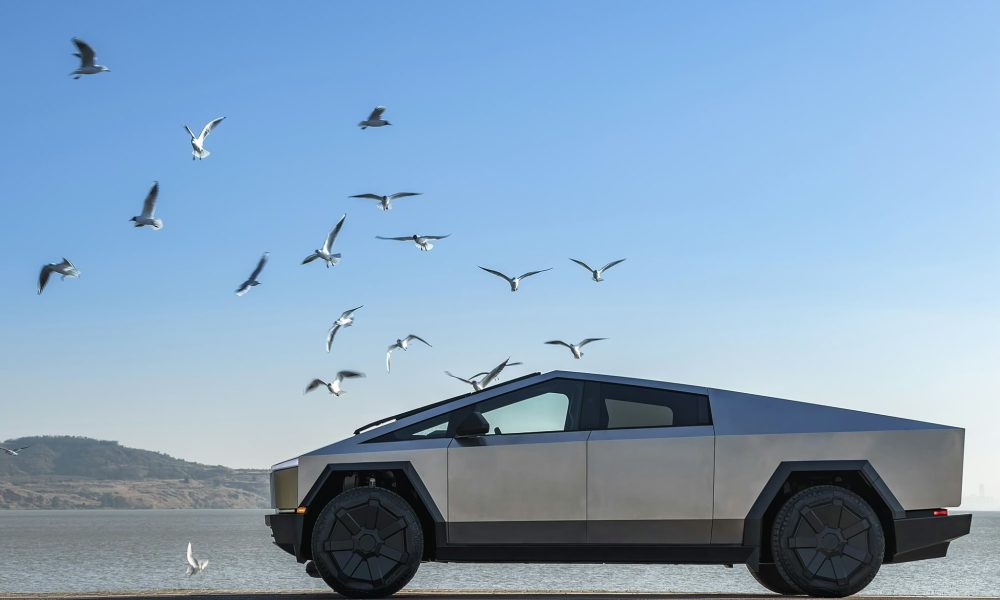
New vehicle registration data has revealed a significant and previously undisclosed driver behind the Tesla Cybertruck's reported sales figures: Elon Musk's own companies. An analysis of U.S. registrations for the fourth quarter of 2025 shows that SpaceX purchased 1,279 Cybertrucks, accounting for a staggering 18% of all U.S. Cybertruck registrations in that period. This massive inter-company transaction raises critical questions about the true organic demand for the controversial electric pickup and the financial engineering behind its publicized success.
Behind the Numbers: A Stark Picture of Organic Demand
The registration data, which corroborates reports from outlets like Electrek, paints a stark picture when the SpaceX purchases are removed. Without the 1,279 units bought by the aerospace firm, Cybertruck registrations in the U.S. for Q4 2025 would have shown a 51% year-over-year decline. This contrasts sharply with the overall registration numbers Tesla likely highlighted. The move effectively transformed a steep drop in consumer registrations into a more stable quarterly report, masking what appears to be a significant cooling of initial enthusiast demand following the early adopter wave.
Strategic Move or Artificial Prop?
From a corporate perspective, the purchase can be framed strategically. SpaceX operates large facilities like Starbase in Texas, where the Cybertruck's stainless steel exoskeleton and purported durability could be a practical fit for on-site transportation. The transaction also represents a substantial, high-profile fleet order, showcasing the vehicle's utility to other commercial buyers. However, analysts are scrutinizing the optics and financial implications. The deal effectively moves capital from one Musk-led entity to another, inflating Tesla's revenue and registration metrics without expanding its external customer base. This practice, while legal, blurs the line between genuine market adoption and inter-company support, especially for a product critical to Tesla's future growth narrative in the lucrative truck segment.
Implications for Tesla's Ecosystem and Market Perception
For Tesla investors, this revelation necessitates a more nuanced reading of the company's sales disclosures. It underscores the importance of distinguishing between sell-in (vehicles delivered to Tesla's own entities or dealerships) and sell-through (vehicles registered to end customers). The reliance on a captive buyer like SpaceX may fuel skepticism about the Cybertruck's mainstream appeal and its ability to compete with established electric pickups from Rivian and Ford. For potential Cybertruck owners, the news is a double-edged sword; a large fleet order from a demanding company like SpaceX could signal proven vehicle ruggedness, but it also hints at potential struggles in the broader consumer market that could impact long-term resale value and Tesla's commitment to the platform.
The data reveals a critical moment for Tesla. The Cybertruck's journey from viral prototype to production reality has been fraught with challenges. This latest disclosure suggests that achieving sustainable, high-volume demand remains its biggest hurdle yet. How Tesla navigates this perception, and whether it can transition the Cybertruck from a novelty bolstered by internal purchases to a genuinely competitive volume product, will be a defining story for the company in the coming year.