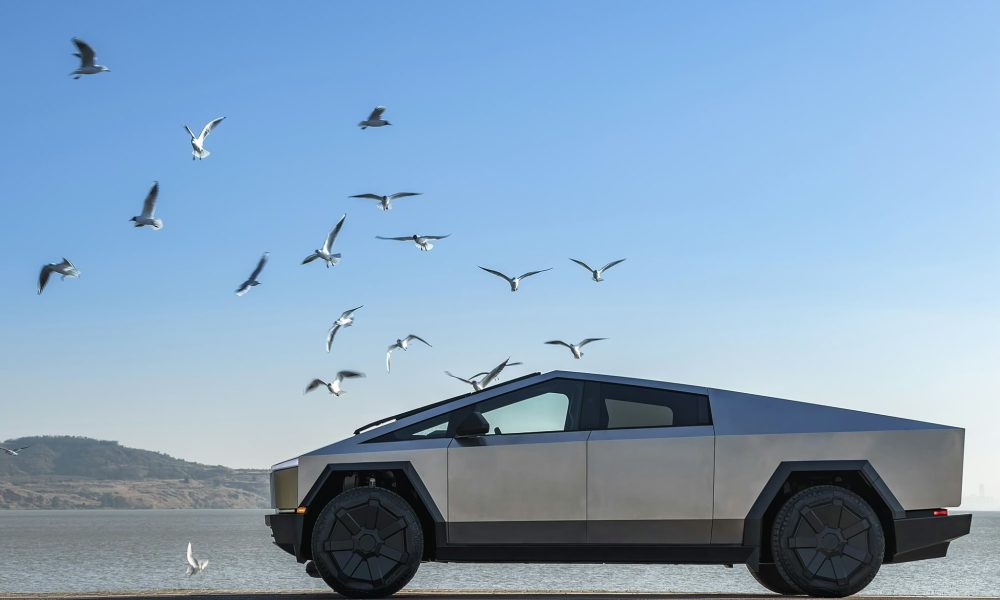
In a landmark move for the electric vehicle and energy sectors, the Tesla Cybertruck has officially become the first vehicle approved for an AC-based vehicle-to-grid (V2G) program in California. Pacific Gas and Electric (PG&E), in collaboration with Tesla, announced the Cybertruck's inclusion in its ongoing Vehicle-to-Everything (V2X) pilot, marking a pivotal step toward mainstream bidirectional charging. This approval not only validates a key feature of Tesla's angular pickup but also introduces a potentially more accessible pathway for homeowners to turn their EVs into virtual power plants, with the utility offering up to $4,500 in incentives for participating customers.
A Simpler Path to Grid Services
The technical distinction here is crucial. Unlike the DC-based systems used by competitors like Ford and General Motors in the same pilot, Tesla's implementation for the Cybertruck utilizes an AC-based architecture. This approach leverages the vehicle's onboard charger to manage the flow of electricity back to the home and grid, theoretically simplifying installation and reducing costs by utilizing more standard components. It represents a significant engineering choice by Tesla, prioritizing integration with existing home infrastructure over potentially higher-power DC setups, which require more complex and expensive external bi-directional chargers.
Incentives and Operational Framework
To spur adoption, PG&E is offering substantial financial support. The $4,500 incentive is designed to offset the costs of necessary equipment, such as a compatible bidirectional charger, and its installation. Participants in the pilot will be able to enroll their Cybertruck in PG&E's emergency demand response program, allowing the utility to draw power from the vehicle's massive battery during peak stress events or grid emergencies. In return, owners receive compensation for the energy provided, transforming their truck from a mere transport device into a revenue-generating grid asset that can enhance community resilience.
This development is not happening in a vacuum. California's aggressive renewable energy goals and its increasing grid reliability challenges have made distributed energy resources like home batteries and, now, EVs critical components of the state's energy strategy. The Cybertruck's entry into this arena with a consumer-friendly AC method could accelerate a broader shift. It puts tangible, high-capacity backup power—the Cybertruck boasts a battery pack estimated at over 120 kWh—into driveways across the state, offering a compelling value proposition beyond transportation.
For Tesla owners and investors, the implications are multifaceted. Cybertruck owners gain a new, utility-validated functionality that enhances the vehicle's value and utility, providing both backup power and potential earnings. For Tesla as a company, this successful integration with a major utility's grid program strengthens its energy ecosystem narrative, positioning its vehicles as central nodes in a sustainable energy future. It also sets a precedent that other Tesla models with bidirectional capability could follow, further entrenching the brand in the energy sector. This move signals that the era of the electric vehicle as a passive load on the grid is rapidly transitioning to one where it is an active, intelligent participant.