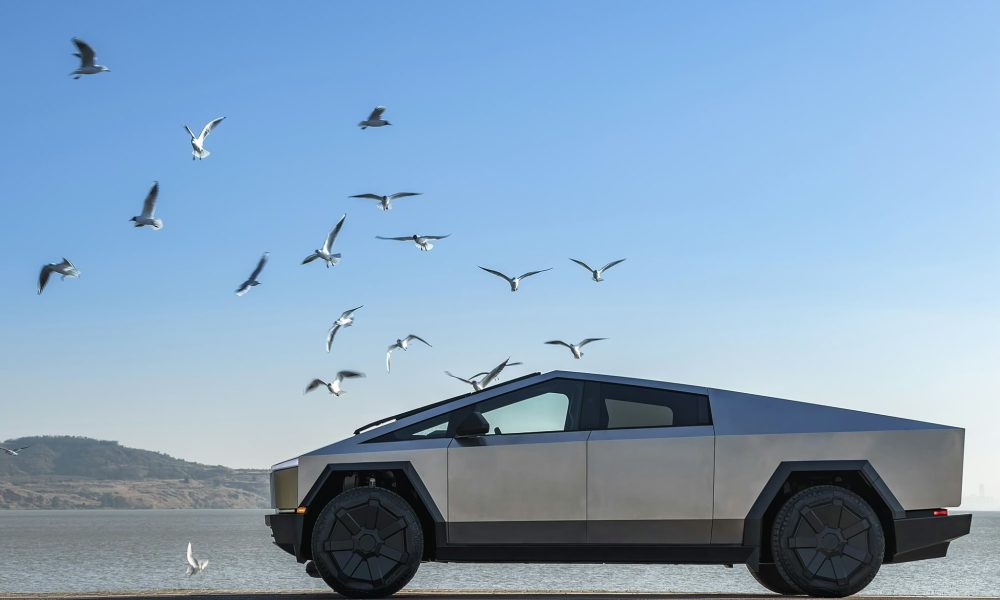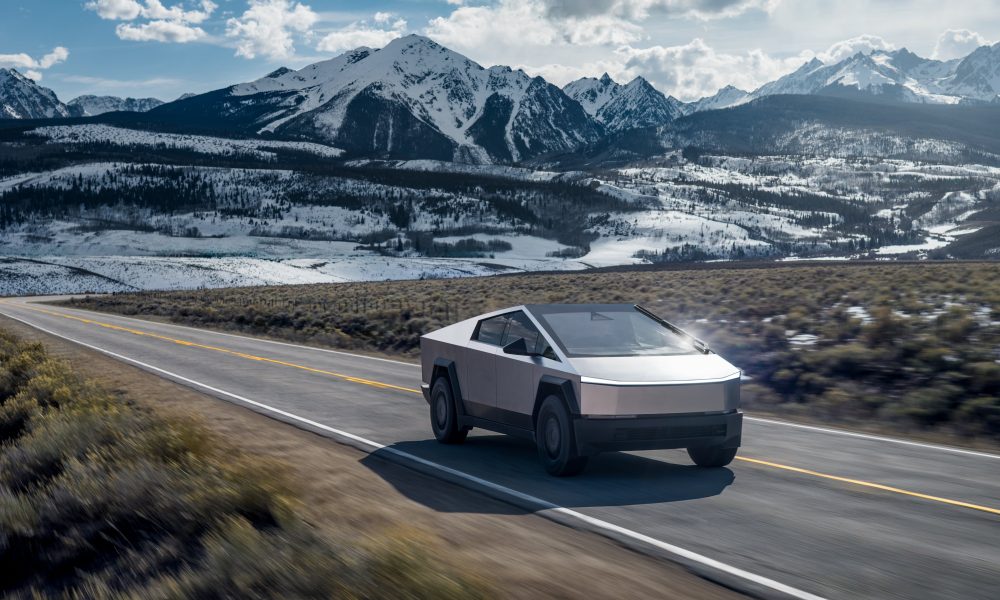
In a move blurring the lines between corporate strategy and market support, a significant portion of Tesla Cybertruck's early sales success is reportedly being driven by Elon Musk himself. According to a new analysis, companies within Musk's sprawling business empire have purchased hundreds of Cybertrucks, providing a multi-million dollar boost to the controversial electric vehicle's official registration numbers and fueling debate about the true state of consumer demand.
Internal Purchases: A Strategic Cushion
The report suggests that internal transfers have played a substantial role in Cybertruck sales figures. If accurate, nearly one in every five Cybertrucks registered in a recent quarter was acquired by another Musk-owned company, such as SpaceX or The Boring Company. These purchases, with a cumulative value exceeding $100 million, represent a bold, unconventional strategy to bolster the flagship EV's early market performance. This internal demand has reportedly continued into 2026, indicating a sustained commitment rather than a one-time promotional push.
Decoding the "Bold Musk Move"
Analysts see this tactic as serving multiple purposes for Tesla and Musk. Primarily, it guarantees immediate volume for a high-profile, niche product facing well-documented production challenges and a polarized public reception. Furthermore, deploying the angular stainless-steel vehicles across high-visibility sites like SpaceX launch facilities generates invaluable real-world data and serves as free, dramatic advertising. The move effectively turns Musk's other ventures into both flagship customers and rolling test beds, de-risking the Cybertruck's ramp-up phase while validating its utility for industrial and commercial applications.
However, this strategy inevitably raises questions for investors and industry observers. While legally sound, the practice of internal transfers can obscure the organic consumer demand for the Cybertruck, making it difficult to gauge its genuine market appeal against rivals like the Ford F-150 Lightning or Rivian R1T. Tesla does not break out Cybertruck sales in its quarterly deliveries, so these internal purchases are folded into the total, potentially painting a rosier picture of its commercial uptake than standalone retail sales might indicate.
Implications for Tesla Owners and Investors
For current Cybertruck owners and reservation holders, the "Musk move" is a double-edged sword. The sustained internal investment signals Tesla's and Musk's deep confidence in the product's long-term viability, likely ensuring continued software support and development. Yet, it also introduces a unique dynamic where a significant portion of the early fleet is not in private hands, which could influence aftermarket support, resale values, and the public perception of the model's success.
Investors must weigh the strategic benefits against the opacity it creates. The capital expenditure from other Musk entities provides direct financial support to Tesla's automotive division, but it also complicates analysis. The key metric to watch will be when, or if, Tesla can transition the Cybertruck to sustained, high-volume retail demand that justifies its niche design and production complexity. Until then, Musk's empire will remain the Cybertruck's most prominent—and most powerful—customer.