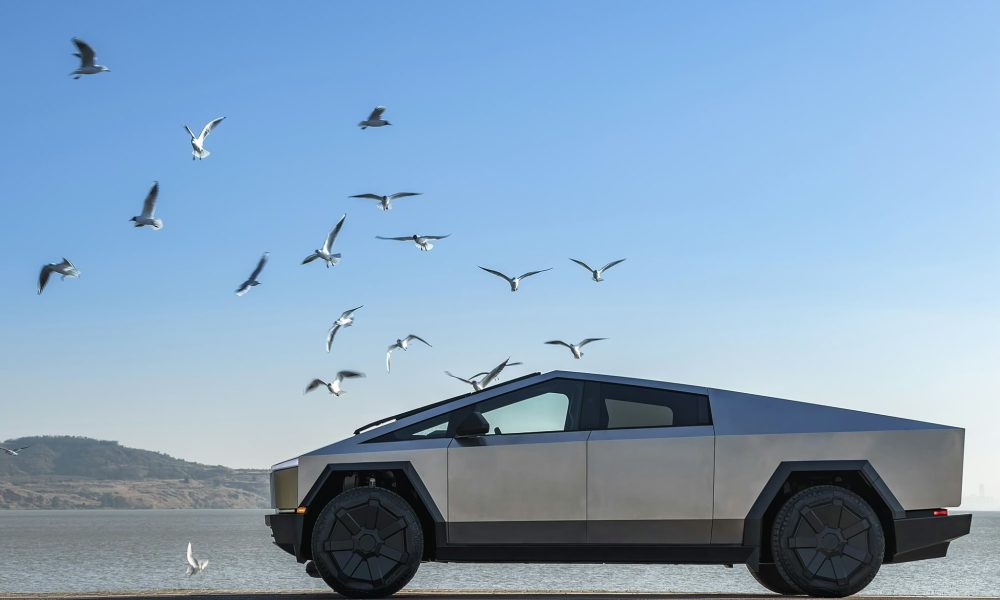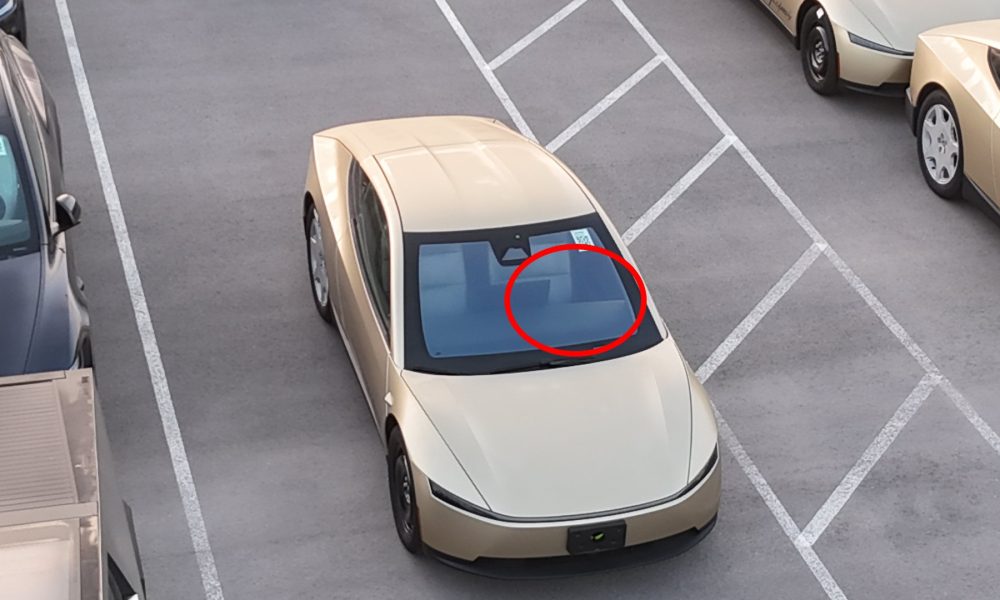
In a single, stark visual, Tesla has moved its most audacious project from the realm of concept to concrete reality. Drone footage captured this week at the company's Giga Texas facility reveals a fleet of approximately 14 purpose-built Robotaxi vehicles, known as Cybercabs, staged for delivery. The defining feature of these vehicles is not what they have, but what they categorically lack: a steering wheel. This is not a test mule or a design study; it is a clear declaration that Tesla's fully autonomous ride-hailing vision is entering its production phase.
The Steering Wheel's Disappearing Act
The images, captured by longtime Tesla observer Joe Tegtmeyer on April 17, show the Cybercabs parked in an outbound logistics lot, a clear indication they are finished units destined for the next stage of their journey. The absence of a steering wheel is the most significant takeaway, confirming that Tesla is building these vehicles from the ground up for SAE Level 4 or Level 5 autonomy. This design choice eliminates any ambiguity about driver control and aligns with Elon Musk's repeated promises of a dedicated Robotaxi built without pedals or a steering wheel. It represents a monumental bet on the readiness and regulatory approval of Tesla's Full Self-Driving (FSD) software stack.
Production Enters Plaid Mode
The sighting of over a dozen vehicles simultaneously suggests Tesla is moving beyond low-volume prototyping. The term "Plaid Mode"—borrowed from Tesla's highest-performance trim—aptly describes this ramp-up in manufacturing tempo. This acceleration is happening in parallel with significant updates to the FSD system, now labeled FSD (Supervised) v12, which uses an end-to-end neural network. The convergence of purpose-built hardware and rapidly evolving AI software indicates Tesla is coordinating its engineering and manufacturing divisions to bring the Cybercab service to market as swiftly as possible, likely aiming for a limited launch or expanded testing fleet in the near term.
For Tesla, the implications are twofold. First, it validates years of investment in a proprietary vision-based autonomy system, bypassing the lidar-dependent approach of many competitors. Second, the Cybercab represents an entirely new business model and revenue stream—a network of autonomous vehicles that could generate continuous income, dramatically increasing asset utilization compared to privately owned cars that sit idle over 90% of the day. This shift from selling cars to selling "transportation as a service" has the potential to redefine the company's financial profile.
For Tesla owners and investors, this tangible progress on the Robotaxi is a pivotal development. Owners with vehicles equipped with Hardware 3 and FSD capability may see a path to realizing the long-promised value of their investment through potential inclusion in a future Tesla Robotaxi network. For investors, the move from concept to production hardware de-risks what was once considered Tesla's most speculative venture, providing a clearer timeline for a service that analysts believe could command a multi-trillion dollar valuation. The race is no longer just about electric vehicle sales; it's about who will own the autonomous future, and Tesla has just shown a powerful hand.