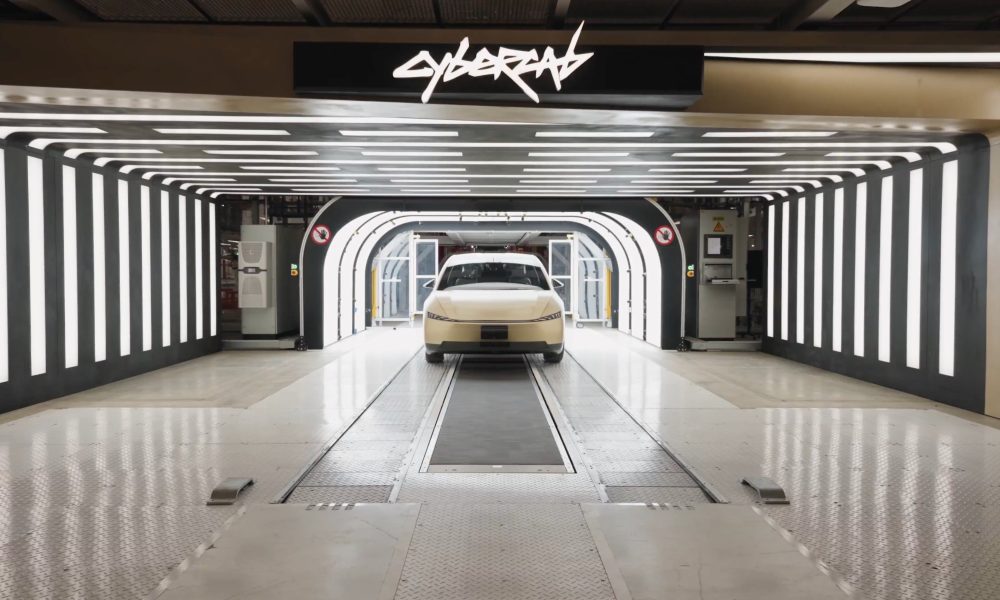
In a move that signals a strategic pivot for its European operations, Tesla is poised to transform its Giga Berlin-Brandenburg facility into a launchpad for its most futuristic venture yet. During the company's recent first-quarter earnings call, CEO Elon Musk provided the clearest roadmap to date for Tesla's next-generation products, explicitly prioritizing the long-anticipated robotaxi. "From a next major product standpoint, I think most likely is the Tesla Cybercab," Musk stated, placing the autonomous vehicle at the forefront of the company's immediate pipeline and directly linking its production to the German gigafactory.
The Cybercab: Giga Berlin's Forthcoming Flagship
This announcement marks a significant evolution for Giga Berlin, which has been primarily focused on producing the Model Y for the European market. The introduction of the Cybercab production line represents a major technological and manufacturing leap. The vehicle, expected to be a purpose-built autonomous vehicle (AV) without a steering wheel or pedals, aligns with Musk's vision of a decentralized, app-based ride-hailing network to compete with the likes of Uber and Waymo. Locating this advanced production in Germany, a global automotive heartland, is a strategic statement of intent, leveraging local engineering expertise while aiming to capture a key market for future mobility services.
Optimus Takes a Backseat, For Now
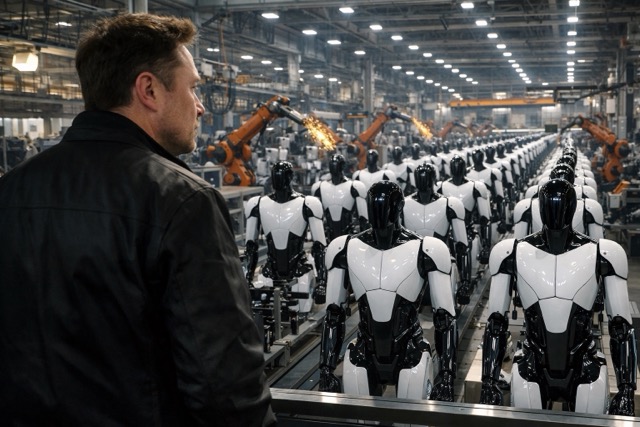
While the humanoid robot Optimus has captured public imagination, Musk indicated its mass production timeline follows that of the Cybercab. This prioritization is pragmatic. The regulatory and technological path for a geographically constrained robotaxi, operating on known road networks, is arguably more defined than for a general-purpose bipedal robot entering unstructured human environments. Tesla's bet is that the core Full Self-Driving (FSD) artificial intelligence and sensor suite developed for the Cybercab will create a foundational AI platform that can later be adapted and scaled for Optimus, making the sequencing a logical step in the company's overarching autonomy strategy.
The decision underscores a focused allocation of capital and engineering resources. Ramping up a completely new vehicle platform, especially one reliant on not-yet-universally-approved autonomous technology, is a monumental task. By concentrating on the Cybercab first, Tesla can channel its efforts into solving the immense challenges of manufacturing, validation, and regulatory approval for a commercial robotaxi service, a potentially lucrative market that could begin generating revenue while the Optimus platform continues its development in the background.
For Tesla owners and investors, this clarified roadmap carries substantial implications. The explicit commitment to a August 8, 2024 unveiling of the Cybercab design creates a near-term catalyst. Success in Berlin could open a massive new revenue stream from the Tesla Network, fundamentally shifting the company's valuation from a pure-play electric vehicle (EV) manufacturer to a hybrid automotive and mobility-service provider. However, the timeline also reinforces that profitability from Optimus remains a longer-term prospect, dependent on the prior success of the AV stack. All eyes will now be on Giga Berlin's transformation and the upcoming unveil, as Tesla takes its most audacious step toward a driverless future.