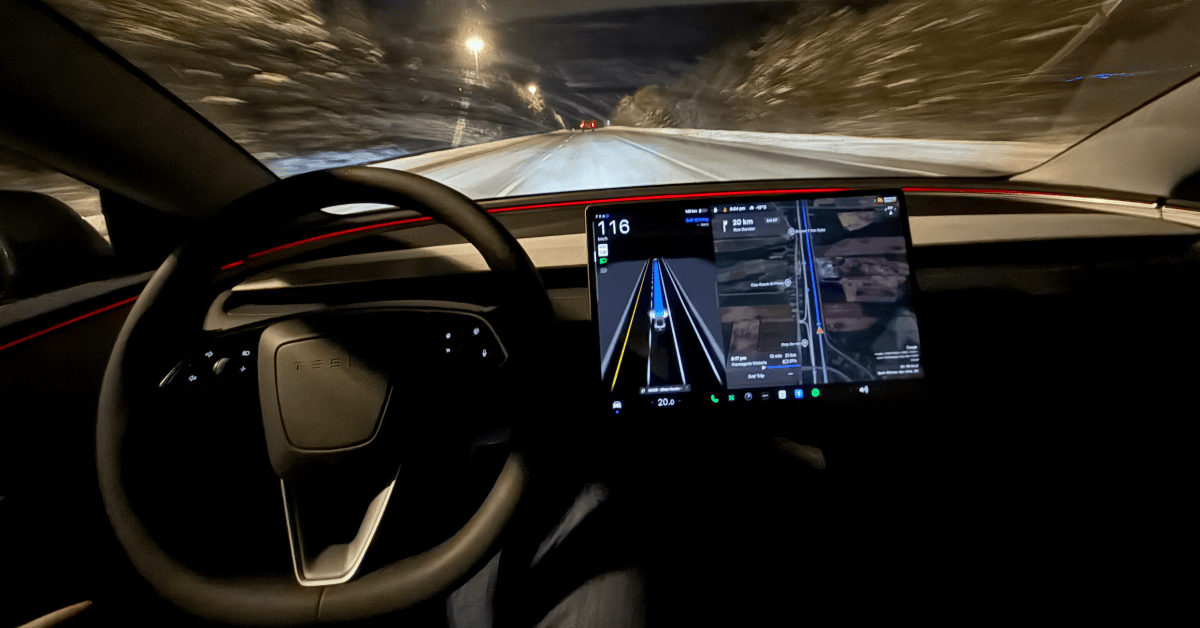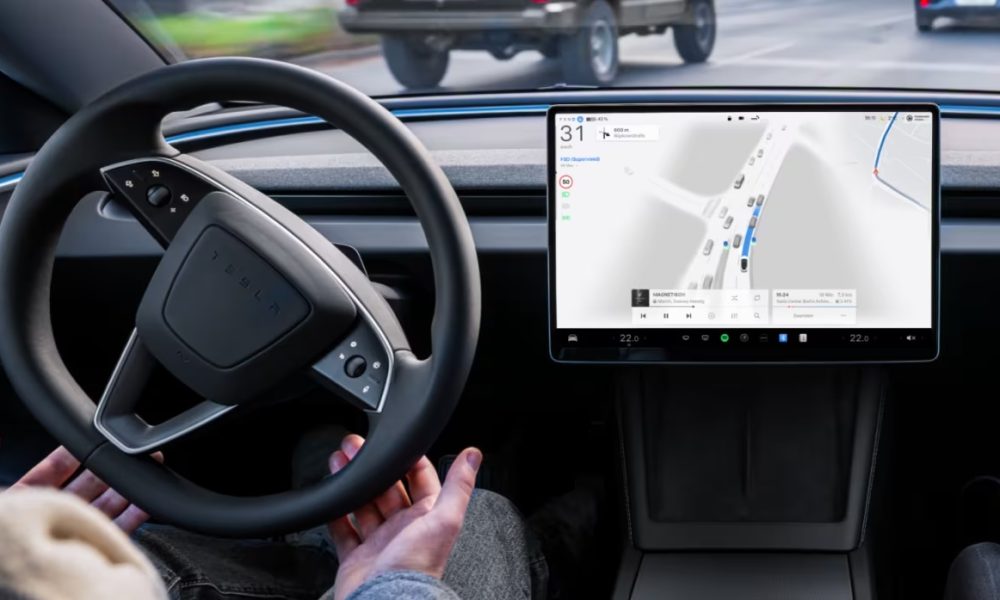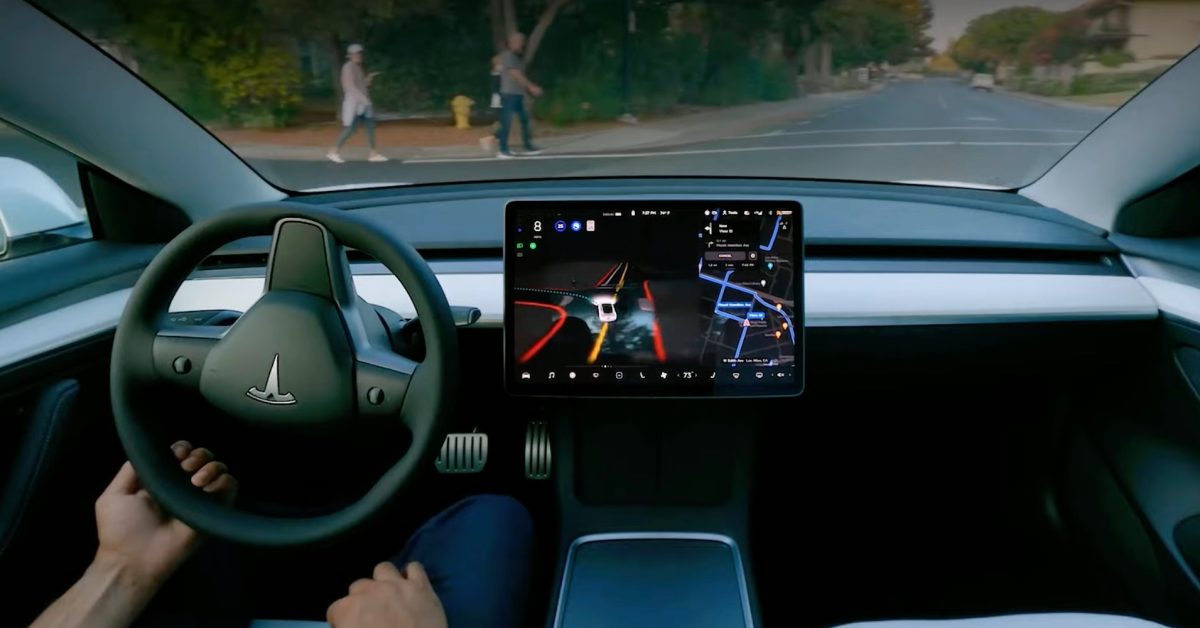
Tesla has quietly tightened the leash on its most advanced driver-assistance software in Europe, and the timing is anything but accidental. The Dutch vehicle authority RDW, which granted the system its April approval, confirmed today that it has signed off on an update that slashes the maximum speed margin from 50% to 10% above the posted limit. The same update formally retires the "FSD Supervised" branding in Europe in favor of a more modest name: Tesla Assisted Driving.
A Radical Dial-Back on Speed
Until now, European drivers using the system could configure it to travel as much as half again the legal limit — a setting that raised eyebrows among regulators but survived the initial approval process. Under the revised terms, the software caps the overspeed allowance at 10%, bringing it in line with the stricter interpretation of European road rules. The RDW's confirmation makes the Netherlands the second major regulator to force the change, following Germany, which imposed identical conditions last month.
The rename carries its own significance. Dropping "Full Self-Driving" from the European label signals a deliberate recalibration of expectations, acknowledging that the supervised system — which still requires an attentive driver ready to take over — is a far cry from the autonomy implied by Tesla's marketing in North America.
Brussels Is Watching
The changes land just weeks before EU member states could vote on whether to approve the system across the entire bloc. That vote represents the real prize: a single harmonized approval would let Tesla deploy the software across dozens of markets at once, rather than navigating country-by-country sign-offs. The Dutch and German conditions now effectively set the floor for what that bloc-wide approval might look like — and Tesla appears to have decided that compliance is cheaper than confrontation.
For a company that has built much of its brand on pushing technological boundaries faster than regulators can respond, the move marks a notable strategic pivot. In Europe, at least, Tesla is choosing to play the long game: accept tighter constraints now, secure the continental approval later.
What It Means for Owners and Investors
European Tesla owners with the software installed will see the change arrive as an over-the-air update, and the practical effect is immediate — no more configuring the car to cruise well above the limit on highways. Drivers who valued that flexibility will notice the difference; regulators, meanwhile, get a system that behaves more predictably within the legal envelope.
For investors, the development cuts both ways. A smoother path to EU-wide approval supports Tesla's software revenue ambitions in one of the world's largest EV markets, where recurring driver-assistance subscriptions remain a key margin driver. But the 10% cap and the diluted branding underscore a harder truth: Europe will not grant Tesla the regulatory latitude it enjoys at home, and the "Full Self-Driving" premium story may need recalibrating for European ears. Watch the upcoming member-state vote closely — it will reveal whether Tesla's concessions are enough to unlock the bloc.