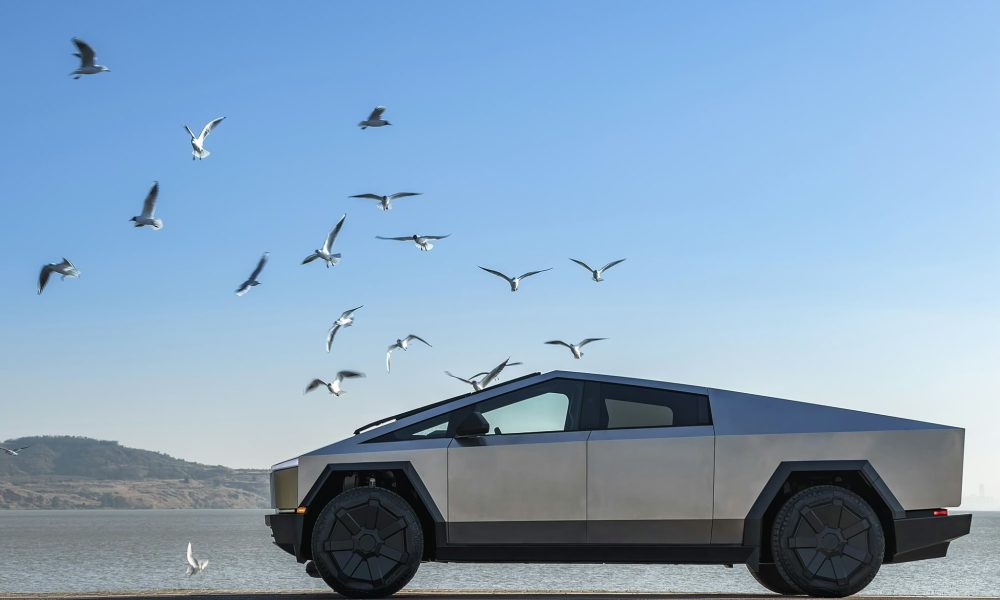
In a move that signals a pivotal shift from ambition to execution, Tesla has officially commenced production of its long-awaited autonomous taxi. Despite ongoing public and regulatory scrutiny over its self-driving technology, the company confirmed during its Q1 2026 earnings call that the first Cybercab units are now being built at its Giga Texas facility. This announcement underscores a bold strategy to advance manufacturing and regulatory frameworks in parallel, even as the core software for unsupervised operation continues its development.
Production Green Light Amidst Software Hurdles
The confirmation from CEO Elon Musk marks a critical milestone for the Robotaxi program, initially unveiled years prior. The decision to start physical vehicle assembly highlights Tesla's confidence in its integrated manufacturing process and its need to validate the bespoke platform designed solely for autonomous ride-hailing. However, this hardware milestone exists in stark contrast to the software timeline. Tesla's Full Self-Driving (FSD) system has yet to achieve the level of reliable, unsupervised operation necessary for a true driverless taxi service, a fact acknowledged by the company. This parallel-track approach suggests Tesla is betting on rapid software maturation once the specialized fleet is ready for deployment.
Navigating the Regulatory Pathway
A crucial piece of the puzzle was addressed by VP of Vehicle Engineering Lars Moravy, who clarified a significant regulatory advantage. He confirmed that the Cybercab will not be subject to the NHTSA’s 2,500-vehicle annual production cap for autonomous vehicles. This exemption, likely due to the vehicle's design meeting specific safety standards for a purpose-built autonomous vehicle, removes a major potential bottleneck. It provides Tesla with the regulatory clearance to scale production aggressively once it is ready for a commercial rollout, without being constrained by the limits typically applied to modified conventional vehicles.
The strategic implications of starting production now are multifaceted. For Tesla, it creates a tangible asset to demonstrate progress to investors and a physical test fleet for real-world data collection. The unique Cybercab design, expected to forgo traditional driver controls, represents the purest expression of Tesla's autonomous vision. Building these vehicles en masse before regulatory approval for driverless operation is a calculated risk, but one that positions the company to move instantly when the software and regulatory permissions align.
For Tesla owners and investors, this development is a double-edged signal. The start of production is a concrete step toward monetizing the autonomous technology that has been a cornerstone of the company's valuation. It demonstrates tangible progress beyond software updates. However, the persistent gap between hardware production and software capability underscores that the final, revenue-generating launch of a robotaxi network remains on the horizon. The investment thesis now hinges on Tesla's ability to close that software gap rapidly, leveraging the data from its growing fleet of specialized vehicles to achieve the long-promised breakthrough in unsupervised driving.