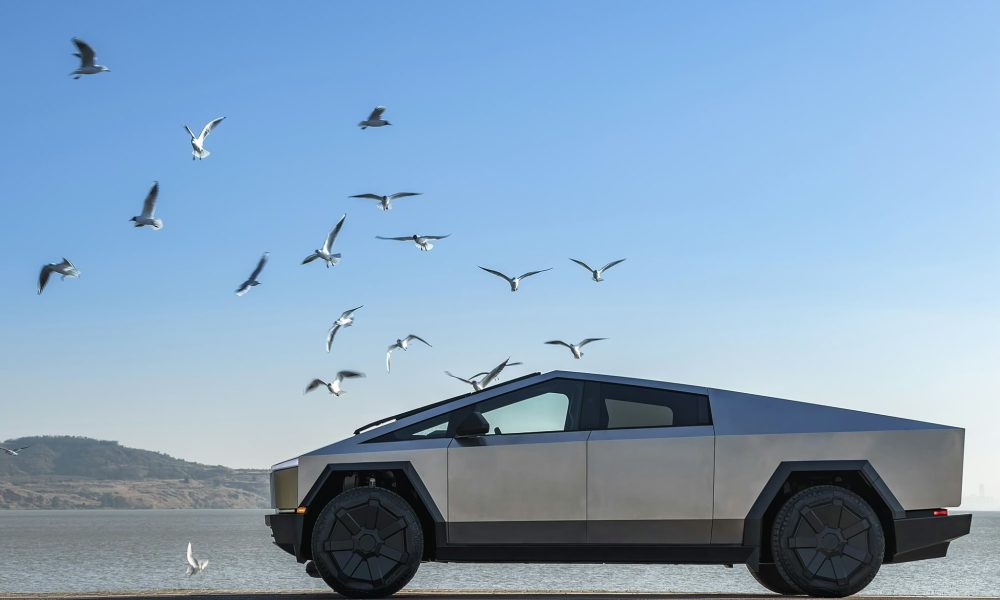
Facing a surge in reports of critical component failures in its flagship electric pickup, Tesla is opting for a goodwill gesture over a formal safety recall. The company is offering affected Cybertruck owners free Supercharging miles to compensate for lengthy repair delays tied to faulty Power Conversion Systems, a move that acknowledges customer inconvenience while carefully avoiding the regulatory implications and public perception of an official recall campaign.
The Core Issue: Power Conversion System Failures
The problem centers on the Cybertruck's Power Conversion System (PCS), a critical module responsible for converting high-voltage battery power for various vehicle functions, including charging. Owners across forums and social media have reported a pattern of failures, often preceded by error messages, that render the vehicle unable to charge or, in some cases, drive. With the PCS being a complex and likely supply-constrained component, replacement parts have been scarce, leading to extended service center visits—some reported to last several weeks—for early adopters of the angular stainless-steel truck.
Tesla's Compensation Strategy: Goodwill Over Recall
Instead of issuing a National Highway Traffic Safety Administration (NHTSA) recall, Tesla Service is proactively contacting owners with affected vehicles. The remedy involves replacing the faulty PCS unit and depositing thousands of free Supercharging miles into the owner's account as compensation for the downtime. This approach allows Tesla to manage the issue directly with its customer base, controlling the narrative and avoiding the mandatory public reporting, strict timelines, and potential reputational damage associated with an official recall, even for a non-safety-related component failure.
This strategy highlights a nuanced aspect of modern EV ownership and manufacturer responsibility. While a non-functional PCS may not directly cause a crash, it can strand drivers and represents a significant failure in a core powertrain component. Tesla's solution addresses the symptom—owner inconvenience—but leaves unanswered questions about the root cause of the failures, the total number of vehicles impacted, and whether a revised, more reliable part is being installed in new production or as replacements.
Implications for Tesla Owners and Investors
For Cybertruck owners, this episode is a mixed bag. The free Supercharging is a tangible, valuable benefit that acknowledges the disruption, but it doesn't eliminate the fundamental frustration of a new $80,000+ vehicle being sidelined for weeks. It underscores the "early adopter tax" associated with any radically new Tesla product. For investors, the situation is a reminder of the execution risks inherent in Tesla's vertical integration and aggressive launch timelines. The company's ability to quickly diagnose the PCS fault, secure parts, and resolve the issue without broader operational impact will be closely watched as a test of its post-launch problem-solving maturity for the complex Cybertruck platform.