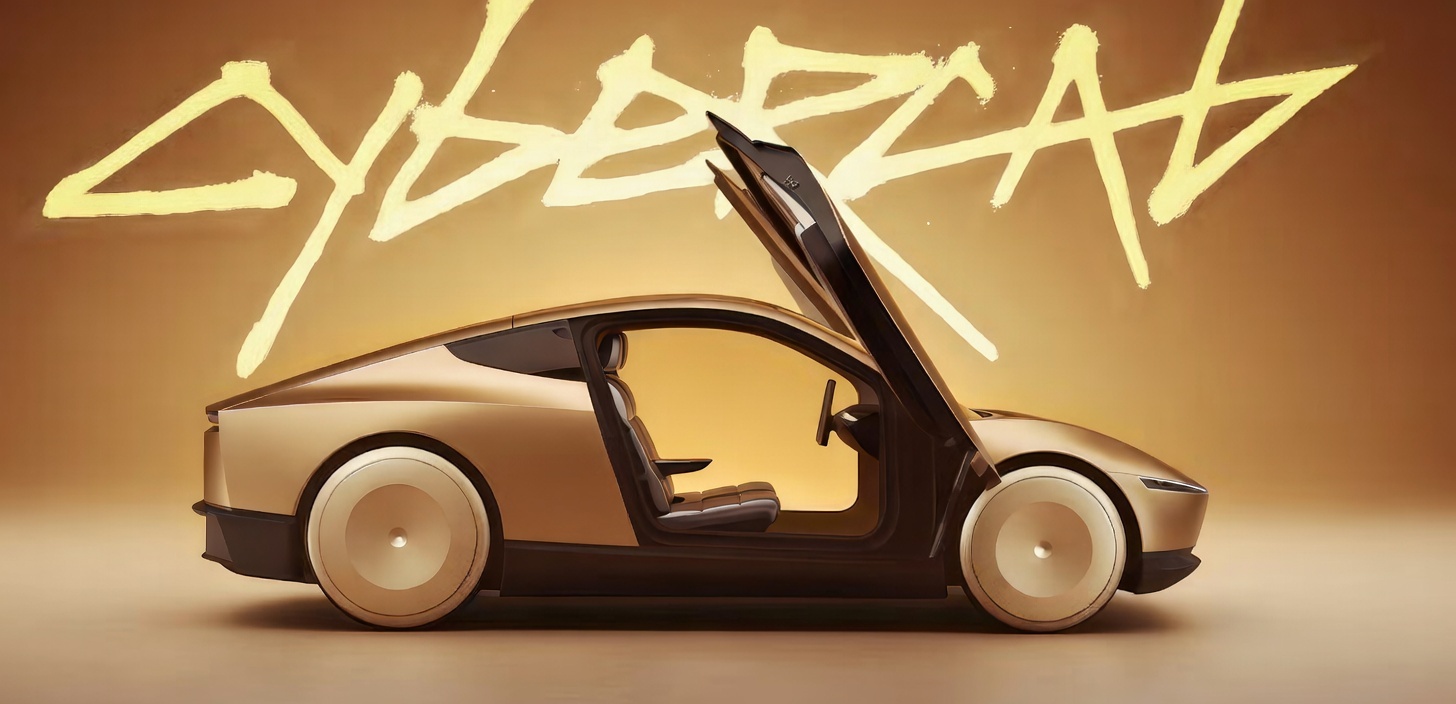
In the high-stakes arena of intellectual property, a surprising contender has emerged to challenge Tesla's future mobility vision: a French beverage company. Following Tesla's much-hyped "We, Robot" Robotaxi unveiling last year, UniBev swiftly filed to register the "Cybercab" trademark with the United States Patent and Trademark Office (USPTO). Now, Tesla has officially mounted a legal challenge against what it views as a clear case of trademark squatting, setting the stage for a pivotal battle over a name central to its autonomous driving ambitions.
The Race to Secure "Cybercab"
The sequence of events is telling. Shortly after Tesla's August 2024 event at Warner Bros. Studios, where CEO Elon Musk showcased the dedicated Robotaxi vehicle, UniBev moved to claim the "Cybercab" moniker in the United States. This timing suggests the beverage firm acted on public information, seeking to secure a trademark for a product category—presumably a futuristic-themed drink—entirely unrelated to the automotive industry. For Tesla, which has meticulously built its "Cybertruck" and "Cyber" branding lexicon, this filing represents a direct infringement on a logical and critical extension of its product lineup. The company's legal team, having missed the initial window to file, is now compelled to contest the registration to reclaim the name.
Legal Precedents and Tesla's Trademark Strategy
Tesla's challenge will likely hinge on establishing a likelihood of confusion and proving the brand's "Cyber" prefix has acquired distinctiveness. The automaker has a history of aggressively protecting its trademarks, as seen with the "Model 3" name. Legal experts suggest Tesla will argue that "Cybercab" is a natural evolution of its branded vehicle family and that UniBev's use, even for beverages, could dilute Tesla's trademark strength and mislead consumers. The USPTO will examine Tesla's existing "Cyber" trademarks, the proximity of the industries, and the intent behind UniBev's filing. Given the blatant chronological link to Tesla's unveiling, arguments of bad faith squatting will be central to Tesla's opposition.
This clash underscores a broader vulnerability for fast-moving tech giants. While focused on engineering and unveiling groundbreaking products like the Robotaxi, companies can leave crucial administrative tasks like trademark filing vulnerable to opportunistic entities. The case highlights the intense, behind-the-scenes race to secure intellectual property in the modern EV and tech landscape, where a single name can hold immense strategic and marketing value worth millions.
Implications for the Tesla Ecosystem
For Tesla owners and investors, this is more than a legal footnote. A successful defense of the "Cybercab" name is vital for brand cohesion and the commercial clarity of the upcoming Robotaxi service. A loss could force an awkward rebrand, causing marketing confusion and potential delays. Conversely, a swift victory would solidify Tesla's control over its futuristic narrative and remove a minor but significant cloud over its autonomous ride-hailing rollout. It also serves as a reminder of the complex, multi-front battles the company faces beyond manufacturing and software. Investors will watch this proceeding as an indicator of Tesla's operational thoroughness and its ability to protect the intangible assets that are increasingly central to its trillion-dollar valuation.