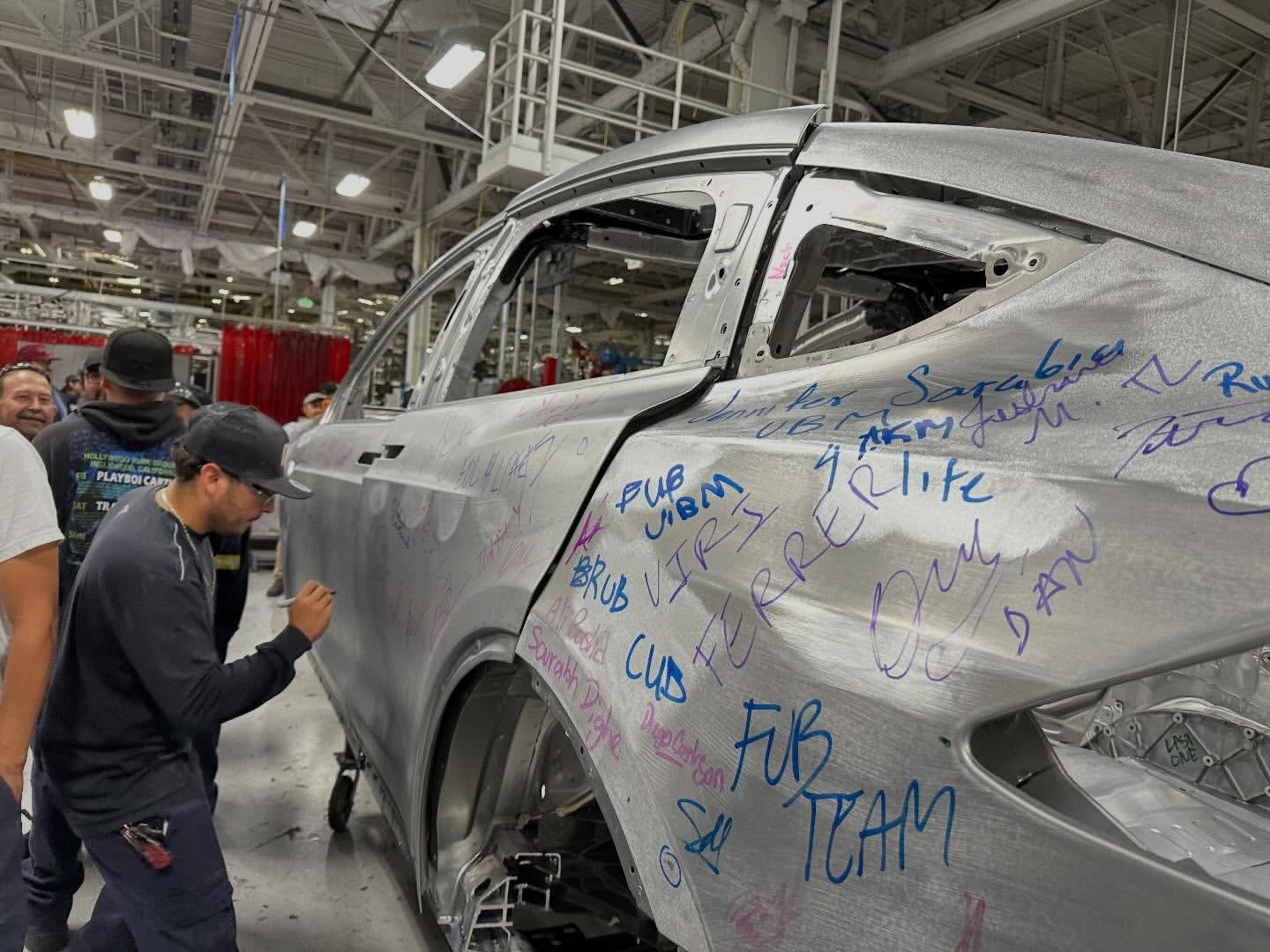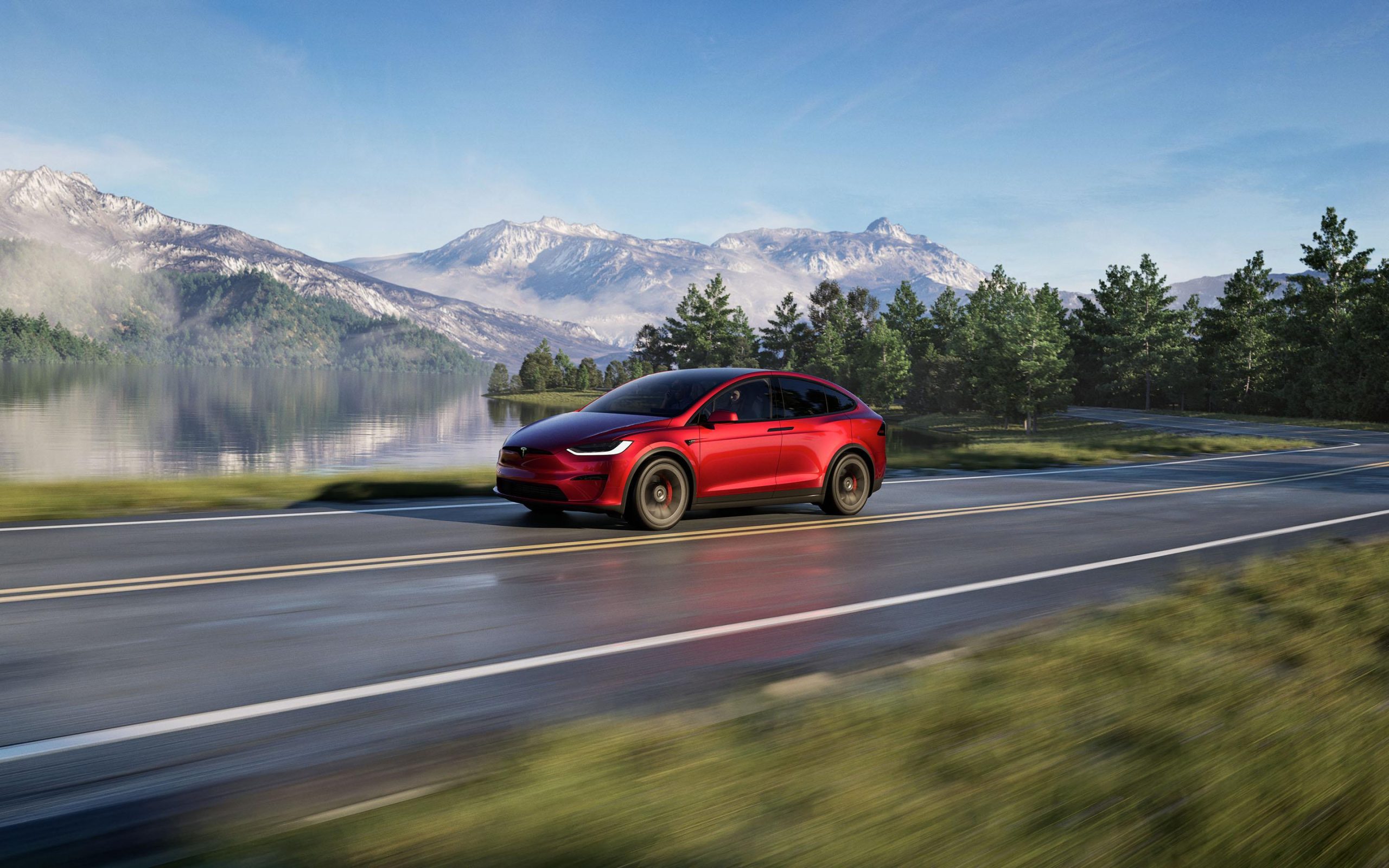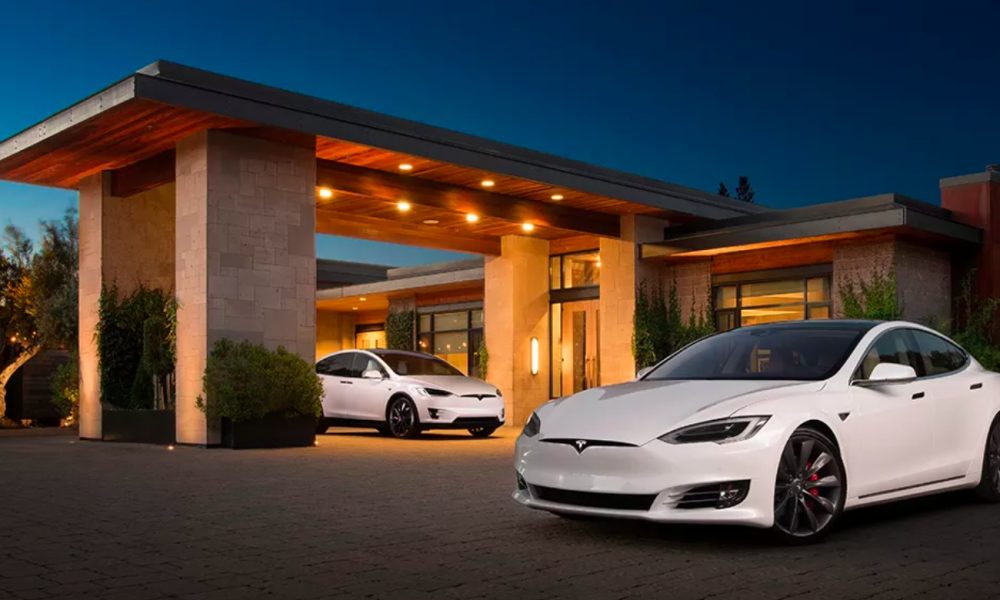
In a move that signals a decisive shift in its strategic priorities, Tesla is formally winding down production of its flagship Model S and Model X vehicles. CEO Elon Musk confirmed the long-anticipated decision, echoing his past comments that the high-end models were sustained largely for "sentimental reasons." This step marks the end of an era for the company that redefined the modern electric vehicle, pivoting its full industrial might toward the volume-driven future embodied by the Model Y, Model 3, and the upcoming next-generation platform.
The Sentimental Flagships: A Fading Contribution
For several years, the Model S and Model X have represented Tesla's technological pinnacle but have contributed minimally to its delivery growth. Often accounting for only a few percentage points of total quarterly deliveries, these vehicles became niche products in a portfolio increasingly dominated by mass-market hits. Their role evolved from volume drivers to halo cars—showcasing extreme performance, pioneering features like the iconic falcon-wing doors, and serving as a proof-of-concept for luxury EV adoption. However, with consumer appetite shifting decisively toward more affordable crossovers and sedans, maintaining dedicated production lines for these low-volume models became increasingly difficult to justify from an operational standpoint.
Strategic Realignment Toward Volume and Scale
This closure is not a retreat, but a calculated consolidation. Tesla's mission has always been to accelerate the world's transition to sustainable energy, a goal achieved through scale, not exclusivity. The company's resources, from engineering talent to Gigafactory capacity, are now overwhelmingly focused on refining and producing its Model Y and Model 3, the world's best-selling EVs. Furthermore, all eyes are on the promised next-generation vehicle platform, anticipated to enable a radically cheaper and higher-volume compact model. Phasing out the S and X frees critical capital and production bandwidth to bring this future-facing product to market faster, directly attacking the heart of the global automotive market.
For Tesla owners and enthusiasts, the implications are twofold. Current owners of these flagship models may see their vehicles become coveted classics, potentially affecting long-term residual values. For the broader Tesla community, the message is clear: the company's growth trajectory is inextricably linked to mainstream affordability and autonomous technology, not low-volume luxury. Investors will likely view this as a positive, disciplined move to streamline operations and bolster margins, eliminating the complexity and cost of producing vehicles that no longer align with the core volume strategy. The end of the S and X chapter solidifies Tesla's identity not as a niche automaker, but as a global industrial powerhouse focused on dominating the era of accessible electric transport.