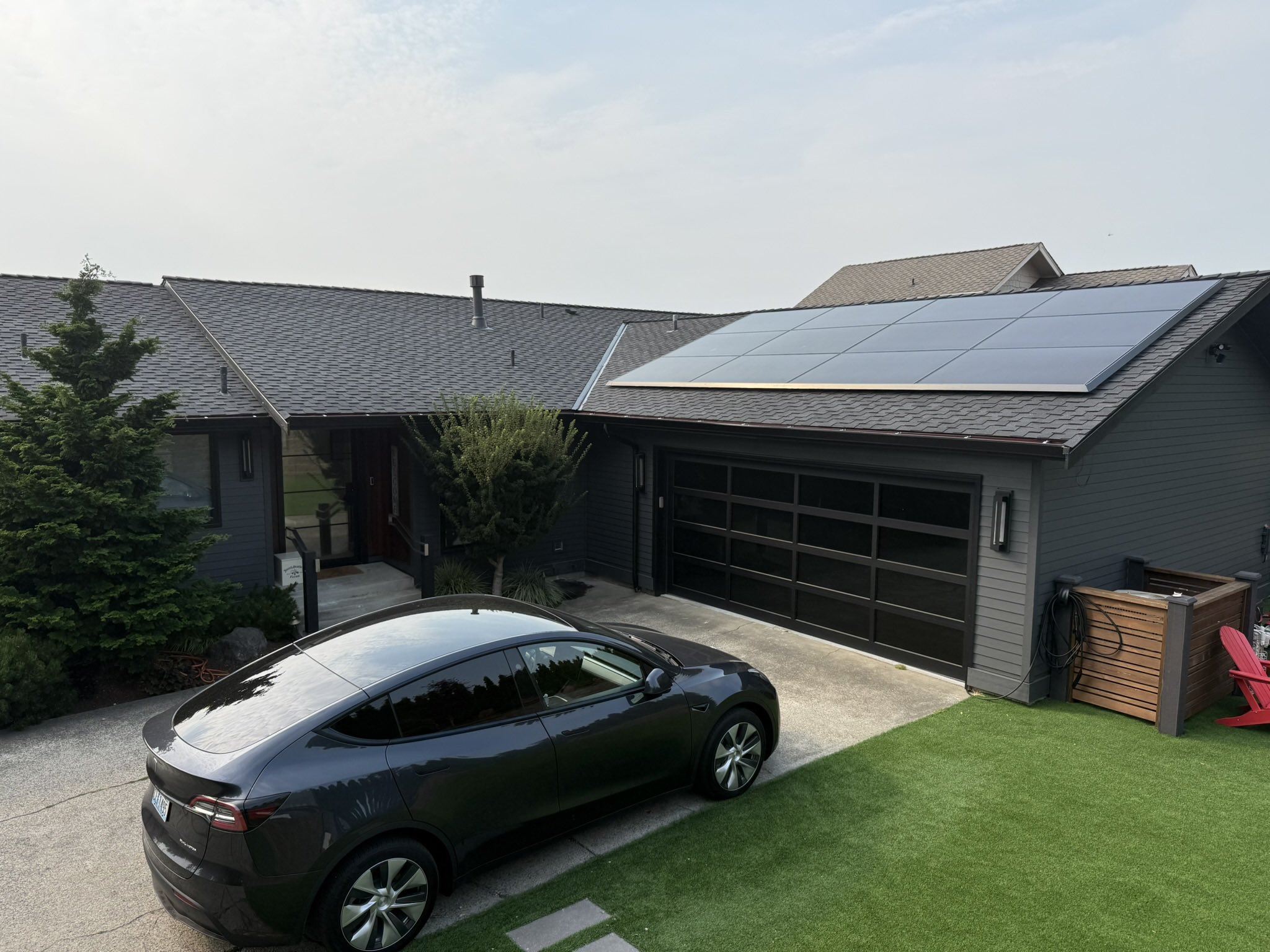
Tesla has never positioned itself as merely a car company, and its newly released 2019 Impact Report is a bold manifesto driving that point home. Moving beyond traditional automotive metrics, the document presents a sweeping vision of a holistic sustainable energy ecosystem, framing Tesla's vehicles, solar products, and batteries as interconnected components in a larger fight against carbon emissions. This isn't just a summary of last year's achievements; it's a calculated argument for a fundamental reimagining of global energy infrastructure, with Tesla's technology squarely at the center.
Beyond Tailpipes: Defining the Tesla Ecosystem
The report's core thesis is that true environmental impact requires addressing both transportation and stationary energy. Tesla meticulously details the lifetime emissions of its vehicles compared to internal combustion engines, but the more compelling narrative is how its products work in concert. The Model 3 is highlighted not in isolation, but as a mobile element that can be powered by a Solar Roof and stored energy from a Powerwall. This integrated approach reframes the company's mission: Tesla is selling a closed-loop, personalized energy system where the car is a single, albeit vital, node. The report provides tangible data on solar energy generation and megawatt-hours of battery storage deployed, quantifying this ecosystem's growing scale.
Manufacturing and Supply Chain: The Next Frontier
In a significant step toward full transparency, Tesla confronts the often-overlooked carbon cost of building its EVs. The report acknowledges that the manufacturing phase, particularly battery production, represents a substantial portion of a vehicle's lifetime emissions. Tesla states its Gigafactory Shanghai was built with sustainability in mind and commits to publishing more granular supply chain data in future reports. This focus on Scope 3 emissions—those from its entire value chain—signals a maturation in its reporting and sets a higher bar for the entire industry, moving the conversation from just "zero tailpipe emissions" to the total carbon footprint of a product's lifecycle.
For Tesla owners and investors, the Impact Report serves multiple critical functions. It reinforces the brand's premium, mission-driven identity, offering customers a quantifiable sense of their personal contribution to a larger environmental goal. Financially, it underscores the strategic logic behind Tesla's vertical integration and its push into energy products, which represent a massive adjacent market. The detailed data on vehicle efficiency and longevity also provides a powerful counter-narrative to skeptics, potentially bolstering resale values and strengthening the company's regulatory standing as governments worldwide tighten emissions standards.
The ultimate implication is that Tesla's value proposition is becoming increasingly systemic. Investors are no longer evaluating just an automaker's quarterly deliveries, but an energy company's growth across multiple, synergistic sectors. For the market, the report makes clear that Tesla's most significant long-term impact—and its most substantial economic opportunity—may ultimately be measured not in miles driven, but in megatons of carbon avoided and in the disruptive reinvention of how the world generates, stores, and consumes power.