In a dramatic escalation of the ongoing Nordic labor conflict, Swedish unions are now considering filing a police report against Tesla, centering on the recent activation of a new Megapack-powered Supercharger station. This move transforms a dispute over collective bargaining agreements into a potential legal battle over workplace safety and regulatory compliance, striking at the core of Tesla's operational playbook in the region.
A Strategic Site Under Scrutiny
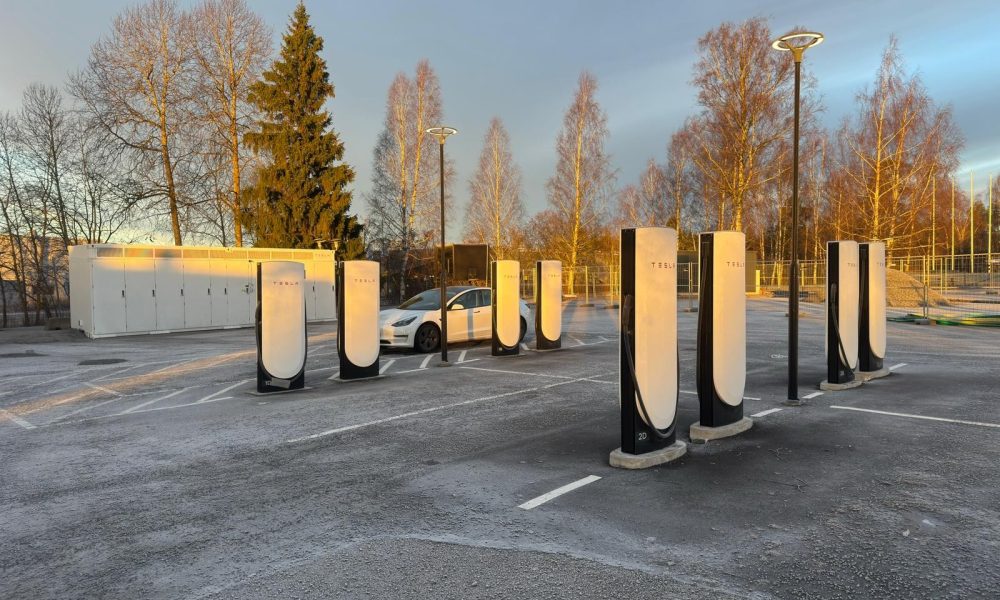
The station in question, located in Arlandastad just outside Stockholm, is no ordinary charging hub. It was unveiled shortly before Christmas and is directly integrated with a Tesla Megapack battery energy storage system (BESS). For Tesla, it's a flagship project showcasing the synergy between its energy and automotive divisions, designed to stabilize the grid and offer fast charging even during peak demand. For the unions, however, its activation amidst a widespread blockade is seen as a provocative act that may have circumvented the coordinated labor action.
Unions Allege Safety and Coercion Violations
The potential police report is reportedly being explored on two primary grounds. First, unions allege the work to commission the site may have been performed under conditions that violated Swedish workplace safety laws, potentially by using non-union or imported labor unfamiliar with local standards. Second, and more profoundly, they are investigating whether Tesla's actions constitute criminal coercion against the collective labor action. By opening a high-profile site with union members on strike, Tesla is accused of attempting to break the solidarity of the blockade, a serious charge in Sweden's highly regulated labor market.
This legal maneuver represents a significant tactical shift. The conflict, which began over Tesla's refusal to sign a collective bargaining agreement with IF Metall, has already seen sympathy strikes from dockworkers, postal services, and electricians. A police investigation would apply a new form of pressure, moving the dispute from the picket line to the courtroom and threatening Tesla with legal repercussions beyond commercial disruption.
For Tesla owners and investors, the implications are multifaceted. The immediate concern is the continued operational friction in a key European market, potentially slowing Tesla's growth and service reliability in Sweden. More broadly, it signals that the company's traditional resistance to unionization is facing an unprecedented, coordinated, and legally sophisticated challenge. A prolonged conflict or adverse legal finding could set a precedent, influencing labor relations for Tesla in other European countries and even impacting its energy division's project deployments where union labor is prevalent.
The outcome of this potential police report will be closely watched. It tests the resilience of the Swedish union model against a globally dominant firm and challenges Tesla to adapt its practices in one of the world's most progressive EV markets. How Tesla navigates this legal and reputational thicket will define its future operations in Scandinavia and offer a stark lesson on the complexities of global expansion where local labor traditions are deeply entrenched.