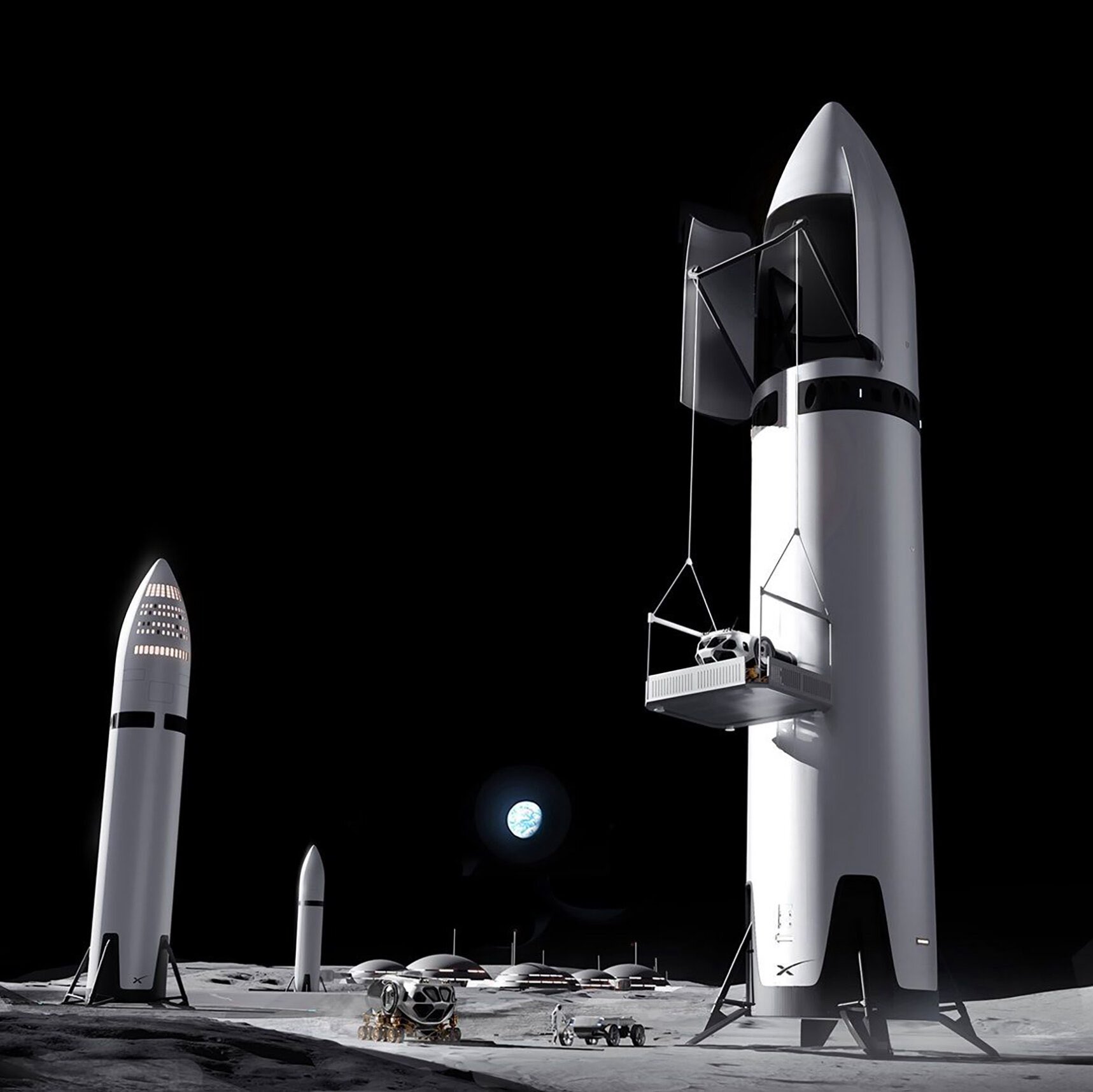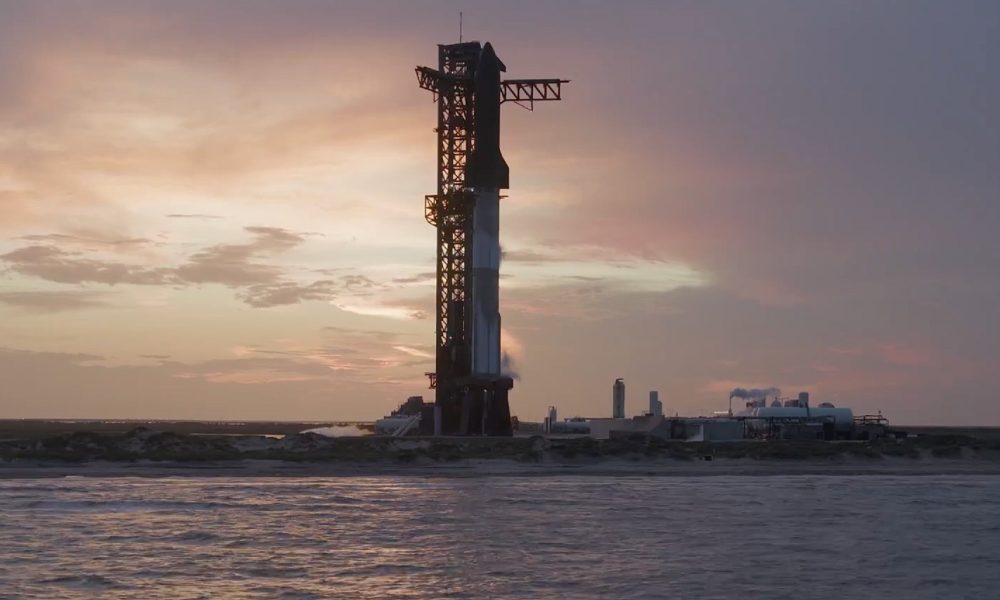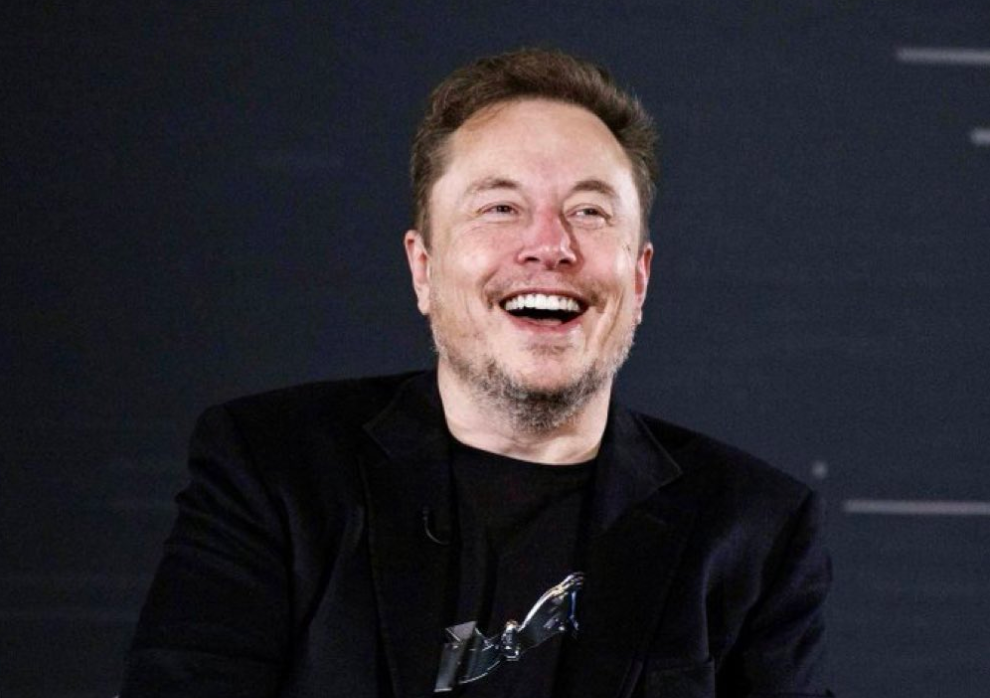
Elon Musk's sprawling business empire, a constellation of ambitious ventures from spaceflight to artificial intelligence, may be on the verge of a dramatic gravitational shift. According to exclusive reporting, internal discussions at SpaceX have explored the possibility of a merger with either Tesla or Musk's xAI startup. This potential consolidation, while highly speculative at this stage, signals a strategic pivot that could fundamentally reshape the future of Musk's companies and the industries they dominate. The move suggests a desire to unify resources and technological prowess on a scale rarely attempted, blurring the lines between terrestrial and extraterrestrial innovation.
The Strategic Calculus Behind a Mega-Merger
The logic behind such a merger, particularly with Tesla, extends beyond simple corporate synergy. Analysts point to the profound technological overlap between the companies, especially in areas like advanced materials, power electronics, and autonomous systems. SpaceX's mastery of lightweight, durable composites and ultra-efficient battery management for spacecraft could find revolutionary applications in next-generation electric vehicles. Conversely, Tesla's massive manufacturing scale and real-world AI data from its global fleet are assets of incalculable value. A merger with xAI, meanwhile, would represent a pure-play bet on artificial intelligence as the core engine for all future technology, from optimizing rocket launches to powering the Full Self-Driving ecosystem.
Navigating a Labyrinth of Financial and Regulatory Hurdles
While the strategic vision may be grand, the path to any merger is fraught with monumental obstacles. A combination with publicly-traded Tesla would trigger intense scrutiny from the Securities and Exchange Commission (SEC) and likely face significant shareholder pushback, given the vastly different risk profiles of an automotive giant and a private space exploration firm. Regulatory concerns over market concentration and national security implications, especially regarding AI and space tech, would be significant. Financially, structuring a deal that fairly values SpaceX—a company whose Starlink and launch businesses have seen valuations soar—against Tesla's market cap would be a herculean task for even the most sophisticated investment banks.
The implications for Tesla's core mission are profound. Investors and owners must consider whether such a merger would accelerate EV and energy innovation or dilute focus from Tesla's stated goals of sustainable transport. Would Tesla's resources be funneled into interplanetary projects, or would SpaceX's tech lead to a leapfrog in vehicle performance and affordability? The uncertainty alone could introduce volatility to Tesla's stock as the market grapples with the potential redirection of capital and engineering talent. For the visionary owner, it promises a future where their car's technology is literally space-grade; for the pragmatic investor, it raises valid concerns about corporate governance and execution risk in uncharted territory.