When the grid goes dark after a major storm, the silence is punctuated by the frantic search for power. While households scramble for generators or drain their phones from a car charger, a potent and often ignored backup system sits idle in the garage: the modern electric bicycle. With their large, removable battery packs, e-bikes are emerging as an unexpected lifeline, transforming from a mobility tool into a versatile power bank for critical devices when traditional infrastructure fails.
The Unseen Power Bank: E-Bike Batteries as Emergency Assets
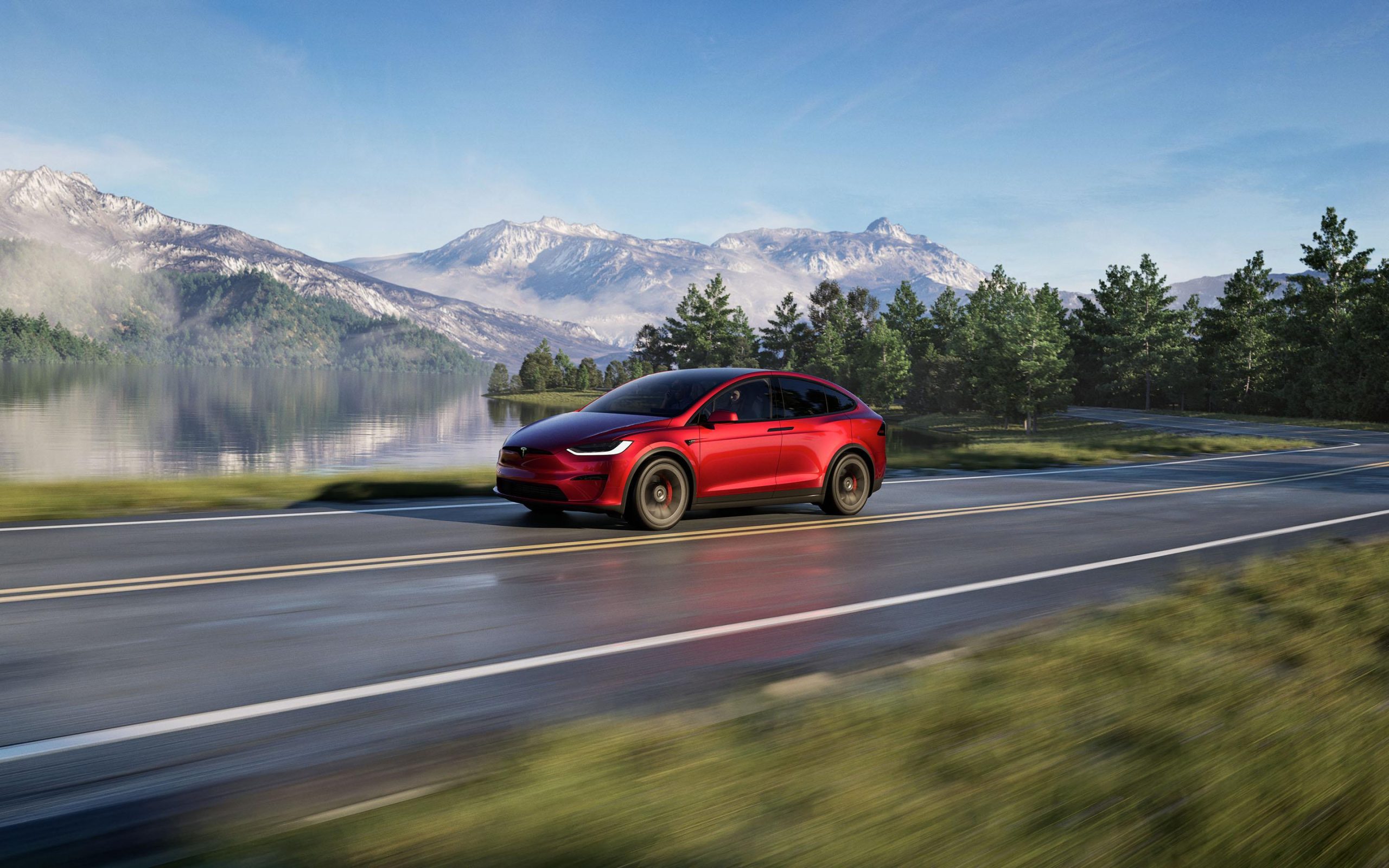
Modern e-bikes are powered by sophisticated lithium-ion packs, typically ranging from 500 to 700 watt-hours of capacity. To put that in perspective, a standard 500Wh e-bike battery can recharge a smartphone over 50 times or keep a critical CPAP machine running through the night. Unlike noisy, fuel-dependent generators, these batteries are silent, emission-free, and, with the right inexpensive inverter, can power small medical devices, LED lights, Wi-Fi routers, and refrigeration for essential medicines. This capability turns a personal transportation device into a decentralized energy node, a concept familiar to Tesla owners who leverage their vehicles for home backup.
Beyond the Bike: A Lesson in Distributed Energy Resilience
This practical use case underscores a broader shift toward distributed energy resources, a core tenet of the electric vehicle revolution. Just as a Tesla Powerwall or a Ford F-150 Lightning can provide vehicle-to-home (V2H) power, an e-bike offers a micro-scale version of the same principle. It highlights a future where every high-capacity battery in our lives—from two-wheelers to cars—can contribute to personal and community resilience. The e-bike’s role in a blackout is a grassroots example of the energy ecosystem that companies like Tesla are building at a larger scale, moving dependence away from a single, vulnerable grid point.
For this to work effectively, preparation is key. Owners must have a compatible AC inverter that can safely plug into their bike’s battery output, and they should practice the setup before an emergency strikes. Understanding the battery's charge level and prioritizing which devices to power—focusing on communication, medical needs, and safety—maximizes this limited resource. Crucially, the e-bike itself remains a unique asset for mobility when roads are blocked with debris, allowing for reconnaissance or travel to areas with power for a quick top-up.
For Tesla investors and owners, the e-bike emergency power narrative reinforces the immense value of integrated battery ecosystems. It validates the consumer appetite for and utility of portable, clean energy storage. As Tesla continues to expand its energy products, from the Powerwall to anticipated models like the Cyberquad, the lines between transportation, personal power, and grid independence will continue to blur. This trend signals a growing market that sees batteries not just as a way to move, but as a fundamental pillar of modern, resilient living.