The long European wait for Tesla's most advanced driver-assistance system may finally be nearing its end. While the promise of Full Self-Driving (Supervised) has been a reality for North American customers for years, regulatory approval in Europe has remained a complex, nation-by-nation puzzle. Now, a critical decision in the Netherlands is poised to become the master key, potentially unlocking FSD's arrival in major markets like France and setting a new course for the continent's EV landscape.
The Dutch Gatekeeper: Why RDW's April 10th Verdict is Pivotal
All eyes are on the Dutch vehicle authority, the RDW. As the designated Technical Service for Tesla within the European Union's Whole Vehicle Type Approval (WVTA) system, its certification carries immense weight. The RDW's expected verdict on April 10, 2026, isn't just about the Netherlands; it's about establishing a validated regulatory template. A positive approval would signify that Tesla's FSD (Supervised) meets stringent EU technical and safety standards, creating a precedent other member states can reference. This process of "mutual recognition" is designed to prevent Tesla from navigating 27 separate national approvals, making the RDW the primary bottleneck—and now, the potential catalyst.
From Dutch Approval to French Roads: The Domino Effect
Following a green light from the RDW, the path to activation in France becomes significantly clearer. French authorities, notably UTAC, would still need to conduct their own assessments, but these would be streamlined by the existing Dutch certification. The focus would shift from fundamental system validation to ensuring the software's performance aligns with specific French traffic laws and infrastructure nuances. Given the shared regulatory framework and France's status as a key EV market for Tesla, analysts predict a relatively swift follow-on approval. This domino effect could see FSD (Supervised) activated for French Tesla owners via an over-the-air update within months of the Dutch decision, transforming vehicles already on the road.
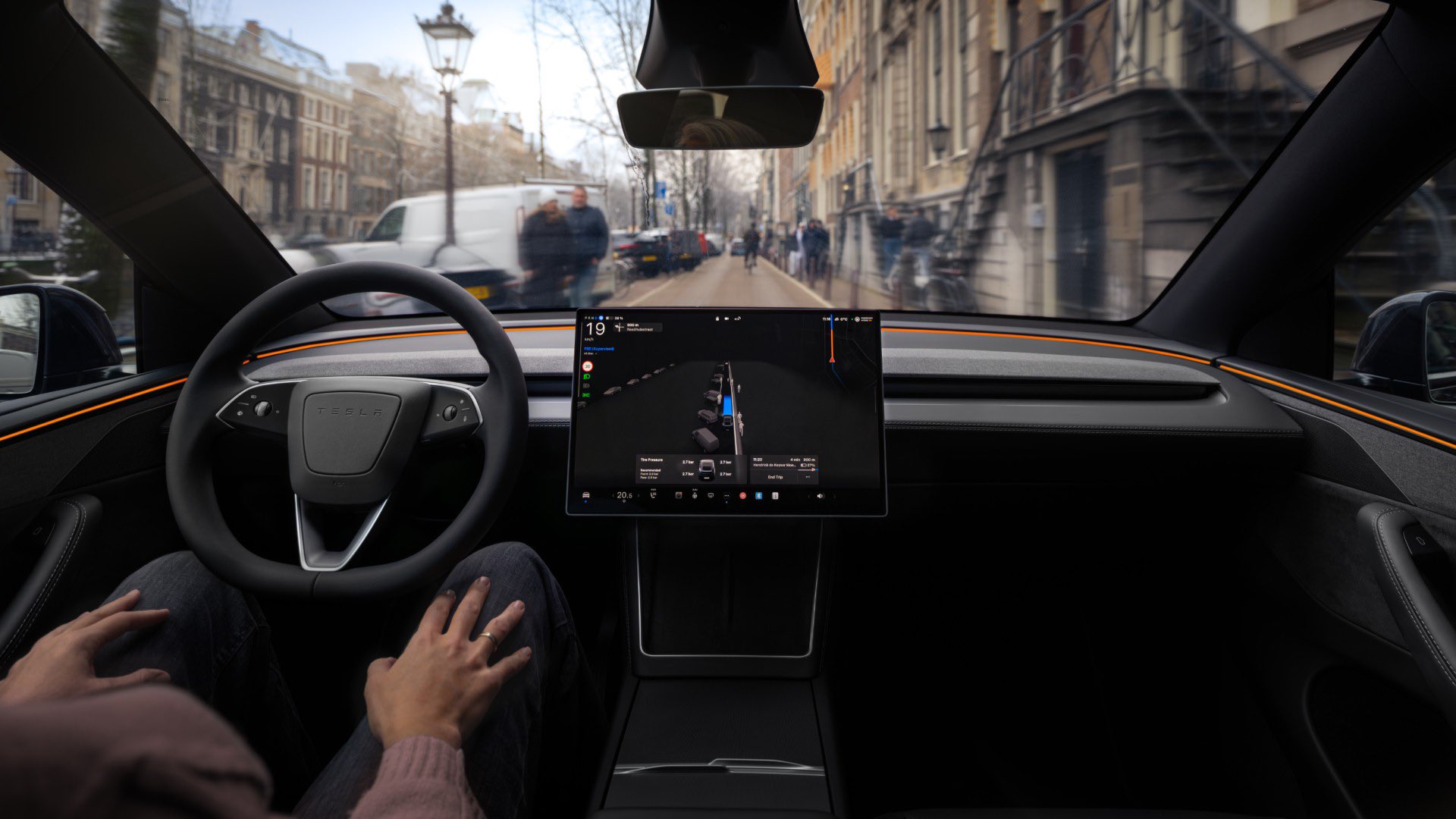
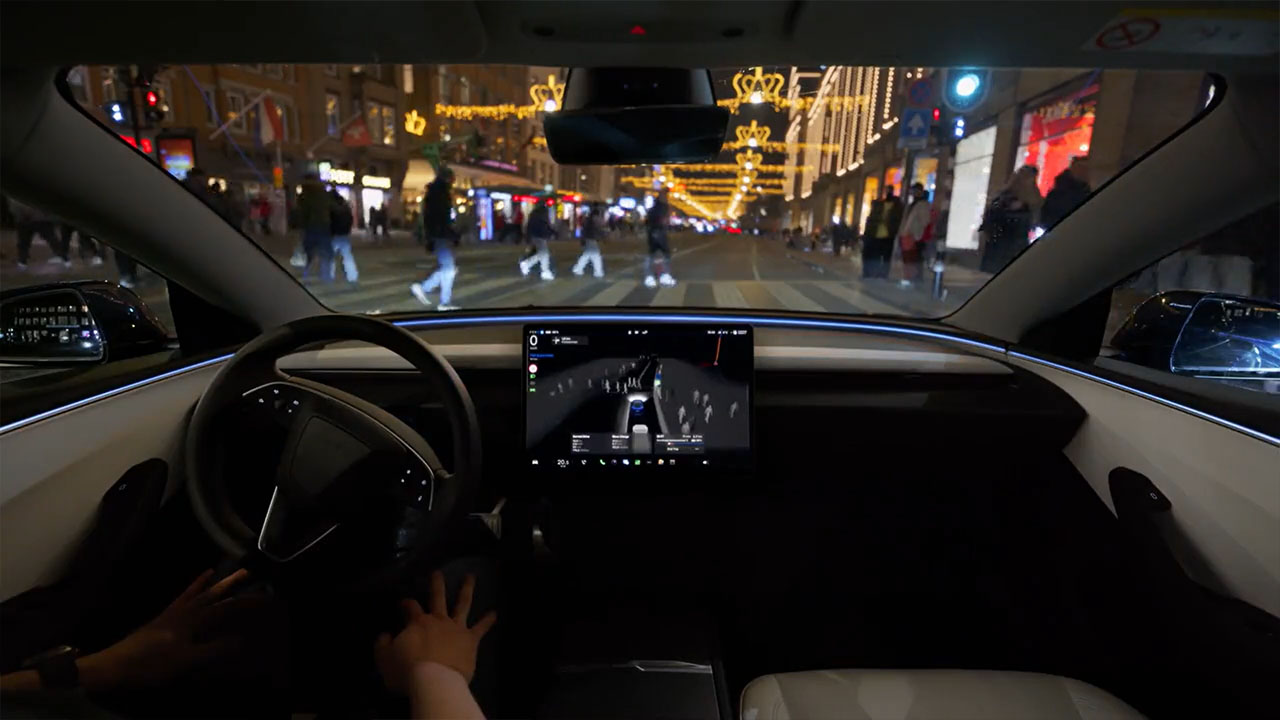
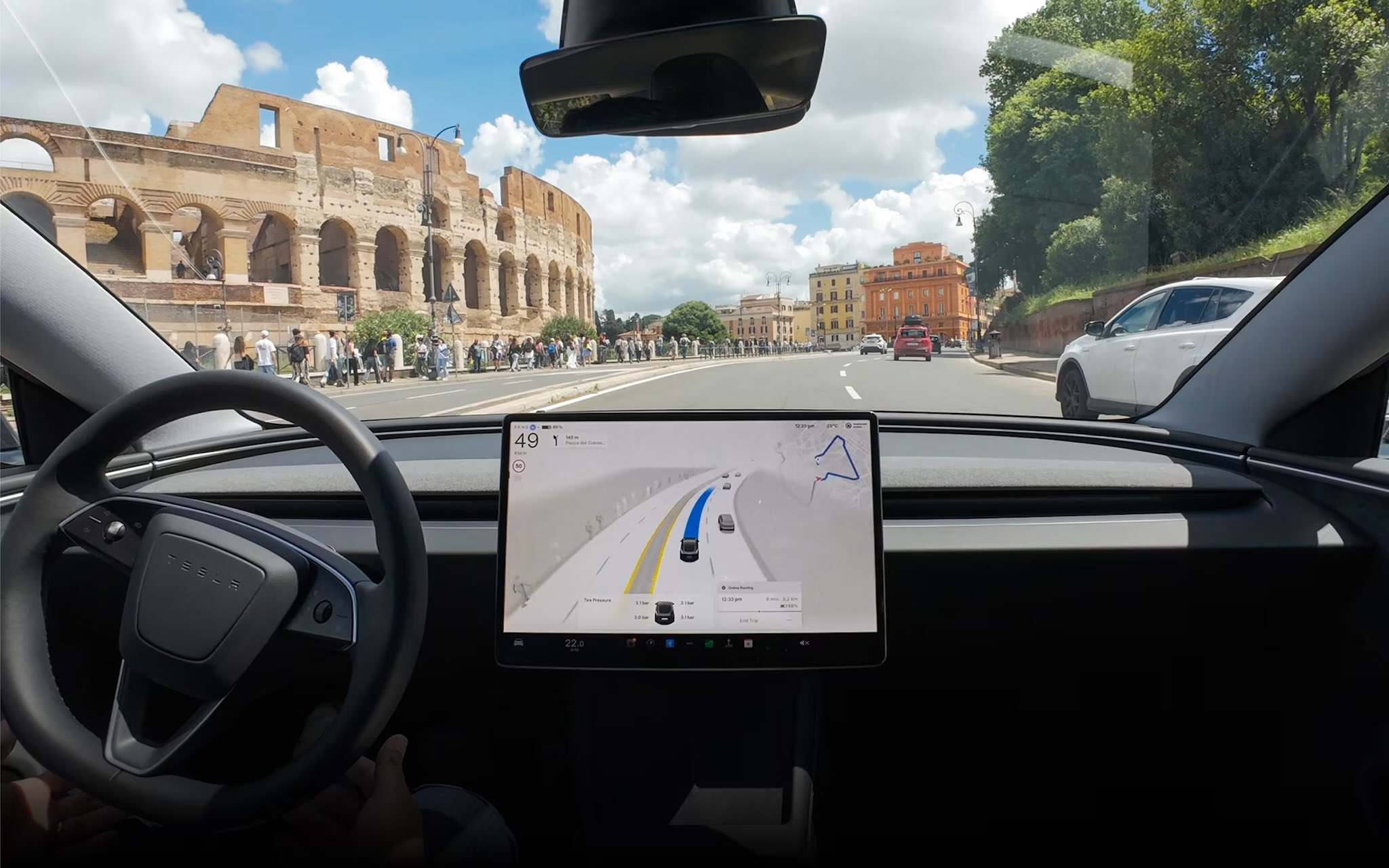
The introduction of FSD in Europe won't be a simple copy-paste of the North American experience. Tesla will need to demonstrate robust handling of Europe's dense, historic city centers, complex roundabouts, and varied signage. The system's behavior at intersections and its interaction with vulnerable road users like cyclists and scooters will be under intense scrutiny. Furthermore, the regulatory emphasis will heavily favor the "supervised" aspect, ensuring driver monitoring and responsibility remain paramount. This European deployment will be the ultimate real-world test of FSD's adaptability to a uniquely challenging driving environment.
Implications for Tesla Owners and Investors
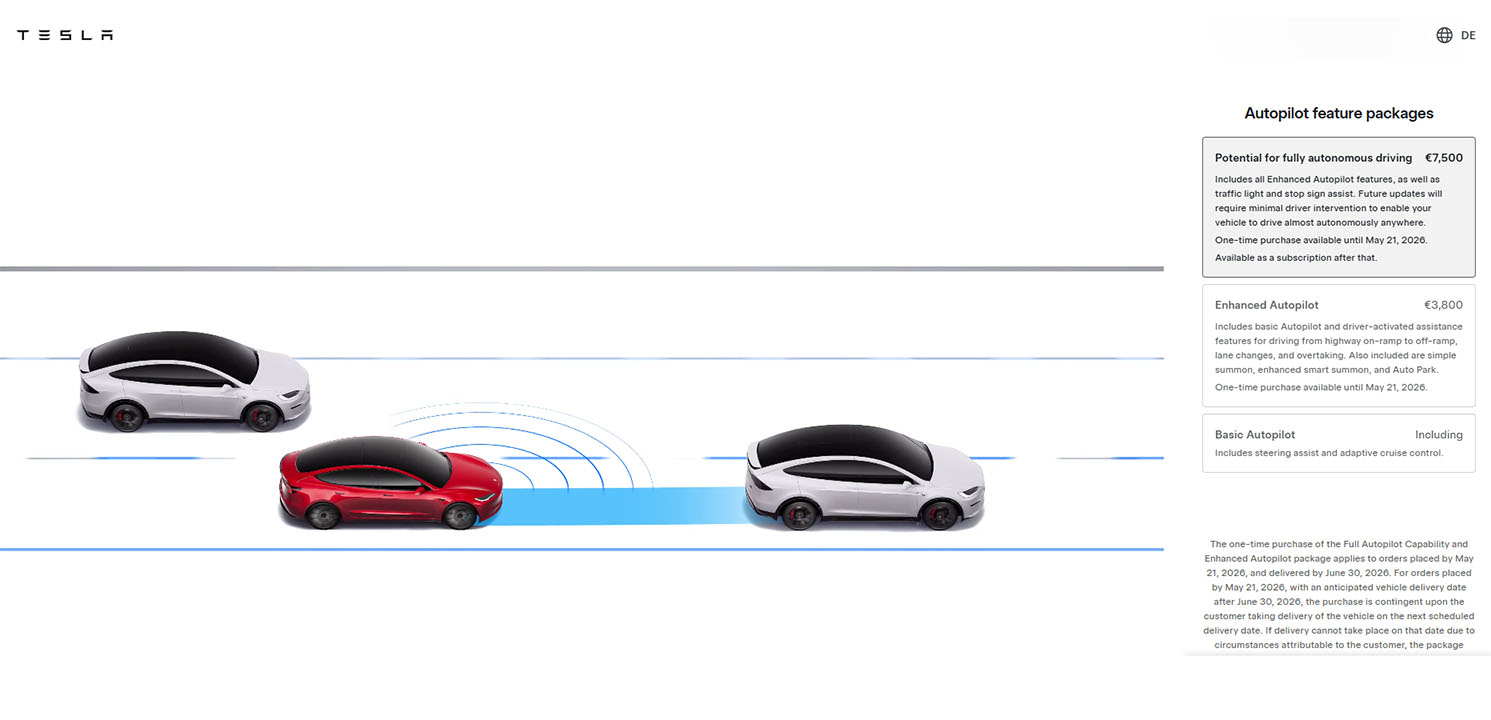
For European Tesla owners, particularly those who purchased the FSD capability package years ago, this represents the long-awaited realization of a promised feature, potentially boosting vehicle value and utility. For investors, a successful European rollout opens a substantial new revenue stream from software upgrades and strengthens Tesla's technological leadership narrative in a critical market. However, the journey post-approval will be closely watched; any high-profile incidents or regulatory pushback could slow the broader adoption. The April 10, 2026, decision is more than a date—it's the potential starting line for the next phase of the autonomous driving race in Europe, with Tesla aiming to secure a decisive first-mover advantage.