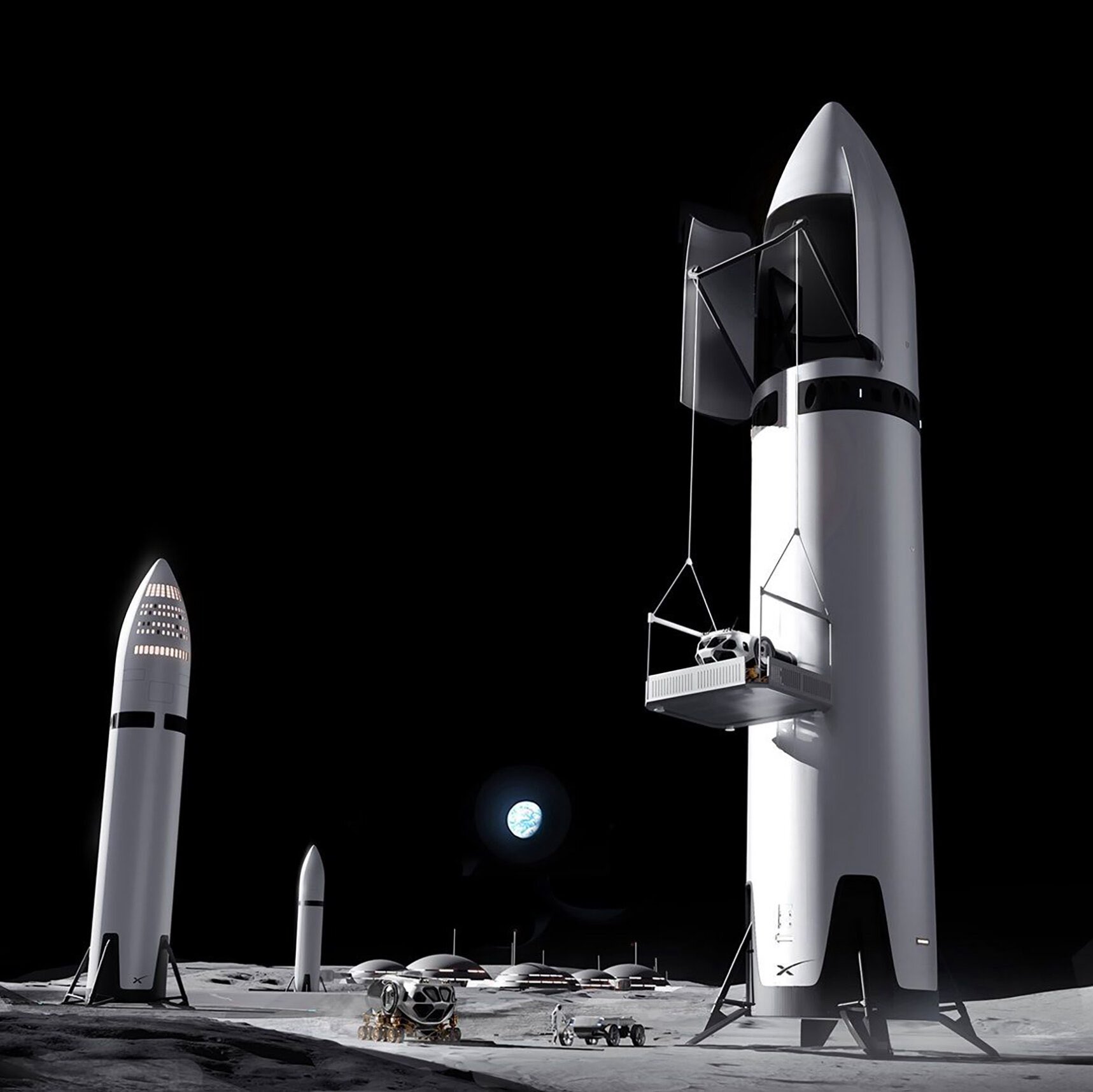
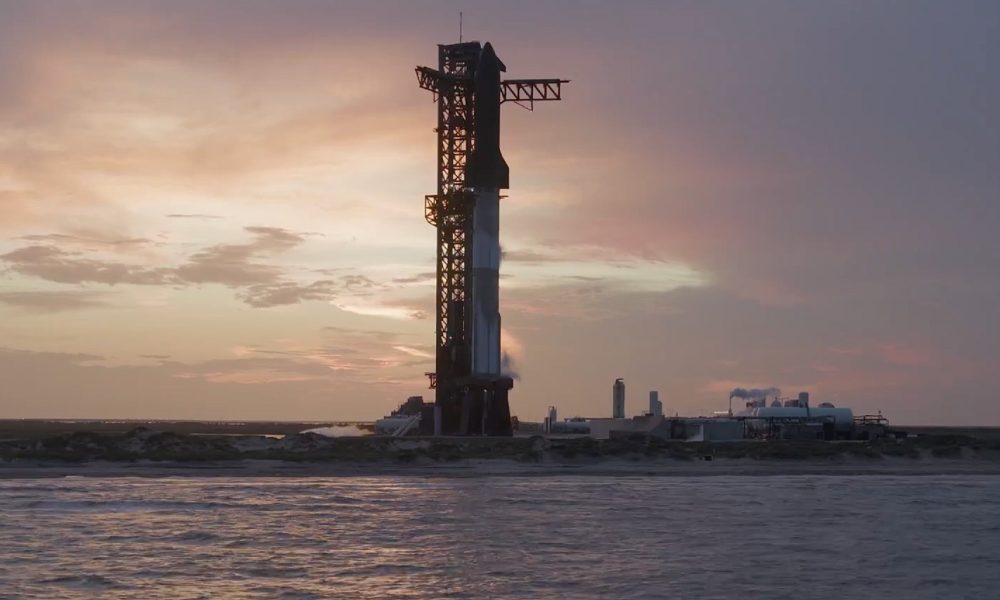
In a move that would redefine the boundaries of technology and industry, reports are emerging of high-level discussions to merge Elon Musk's three most ambitious ventures: Tesla, SpaceX, and the artificial intelligence startup xAI. This potential corporate consolidation, if realized, would create an unprecedented entity combining terrestrial electric vehicles, interplanetary transport, and advanced artificial intelligence under a single corporate umbrella. The implications for innovation, data synergy, and market dominance are staggering, prompting both excitement and intense scrutiny from investors and regulators alike.
A Vision of Vertical Integration on a Planetary Scale
The reported merger talks signal a strategic evolution from Musk's long-held philosophy of vertical integration within individual companies to a new paradigm of horizontal integration across his entire technological ecosystem. The core proposition is to unify the data, hardware, and strategic goals of these giants. Tesla's global fleet of EVs and Optimus robots, SpaceX's Starlink satellite constellation and rocket launch capabilities, and xAI's Grok chatbot and AI research would no longer operate as separate silos. Instead, they would function as interconnected nodes in a single, vast network aimed at accelerating progress toward Musk's stated goals of sustainable energy, multiplanetary civilization, and understanding the universe.
Synergies, Data, and the AI Frontier
The potential synergies are the driving force behind the talks. Imagine Starlink providing seamless, global connectivity to every Tesla vehicle and Optimus unit, creating a real-time data pipeline of unparalleled scale. This ocean of real-world data could then be used to train and refine xAI's models, including Grok, potentially leading to breakthroughs in autonomous navigation, robotics, and predictive analytics. Conversely, advanced AI could optimize rocket launch schedules, manage energy grids powering Tesla's operations, and design new materials. The merger would essentially create a closed-loop system where each company's output supercharges the capabilities of the others.
However, this vision is fraught with complexity. The regulatory hurdles would be immense, spanning automotive, aerospace, telecommunications, and data privacy authorities across multiple nations. Financially, the structures of the companies differ significantly, with SpaceX and Tesla having distinct investor bases and xAI being privately held. Furthermore, combining these cultures—from the rapid iteration of software at xAI to the rigorous safety protocols of aerospace at SpaceX—presents a monumental management challenge.
Implications for Tesla's Core Mission and Market Position
For Tesla, traditionally focused on accelerating the world's transition to sustainable energy, a merger could both augment and distract from its core mission. Access to SpaceX's advanced manufacturing techniques and materials science could revolutionize vehicle and battery design. Yet, investors may express concern about capital allocation and potential dilution of focus. The move could also invite increased antitrust scrutiny, given the combined entity's control over critical technologies in transportation, communication, and AI.
For Tesla owners and investors, the news represents a high-risk, high-reward proposition. In the short term, volatility is likely as the market digests the sheer scale of the ambition and the associated risks. Long-term, however, a successful merger could unlock value far beyond the sum of its parts, creating a technological moat nearly impossible for any competitor to breach. Owners might eventually benefit from vehicles with superior, space-grade connectivity and AI capabilities, while investors could gain exposure to a diversified tech conglomerate unlike any other. The coming weeks will be critical as more details emerge, determining whether this remains a visionary concept or becomes the blueprint for the world's next industrial titan.