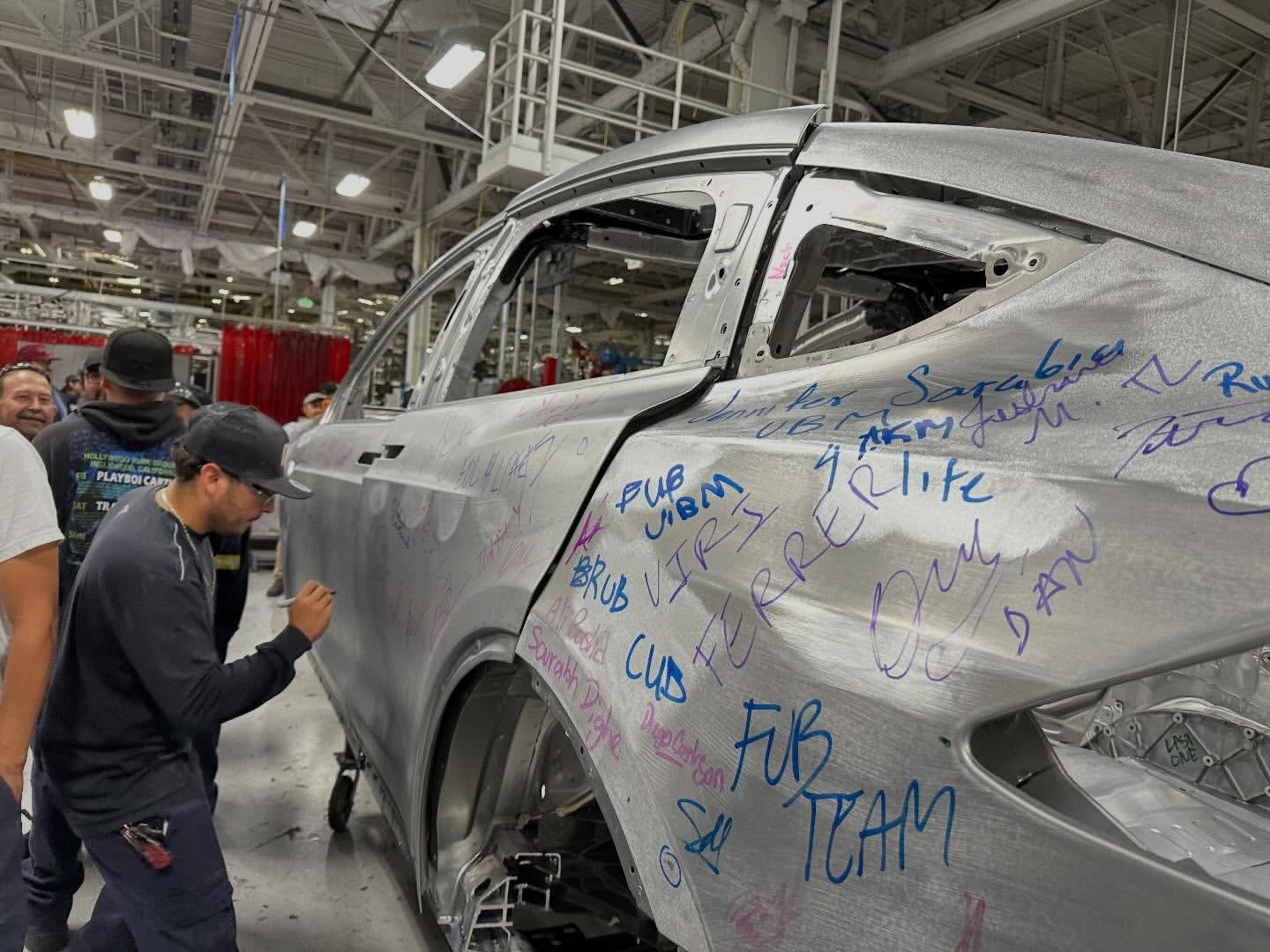
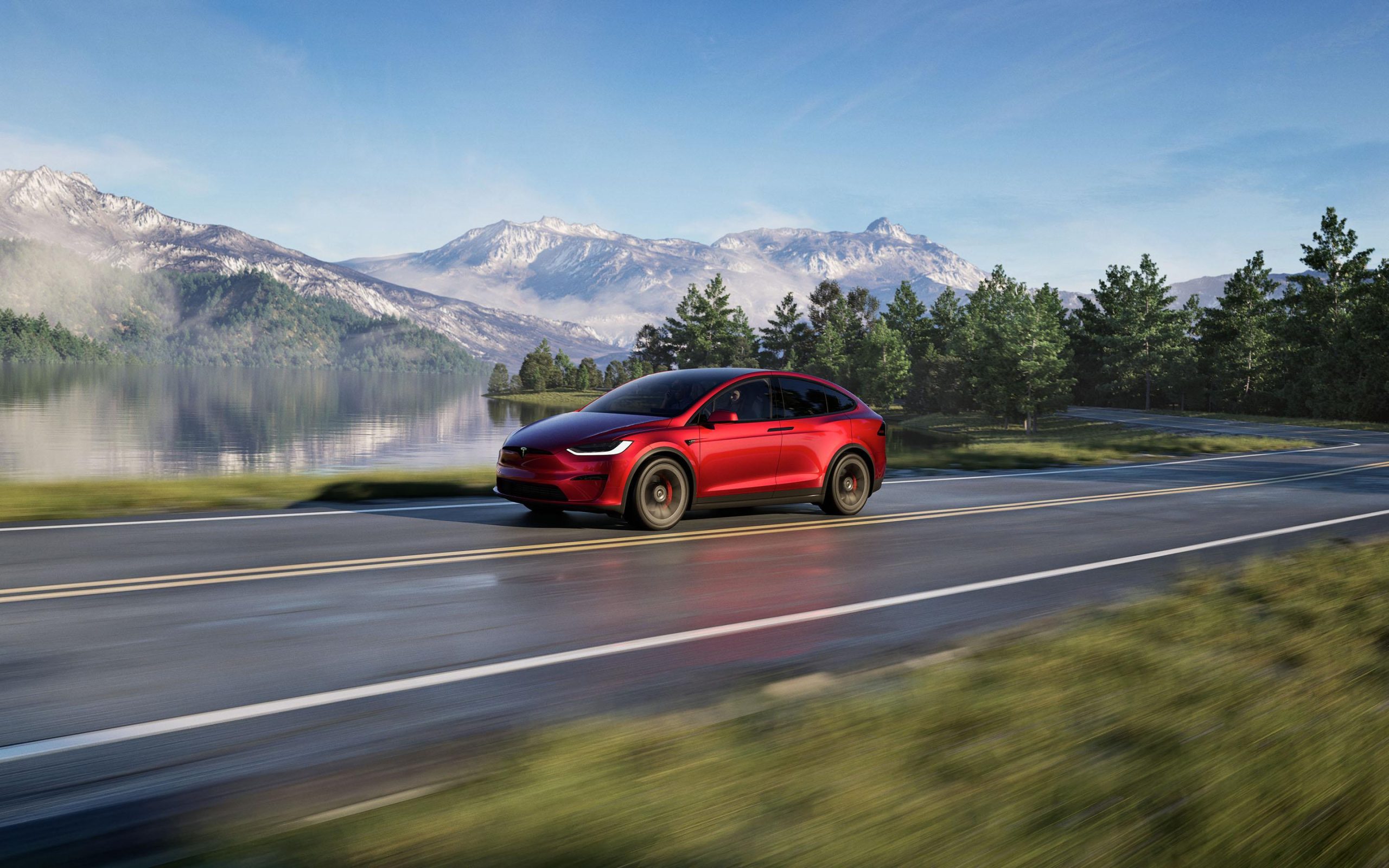
In a stunning strategic pivot that signals the end of an era, Tesla CEO Elon Musk has announced the company will cease production of its flagship Model S sedan and Model X SUV. The curtain will officially fall on both vehicles by the end of the second quarter of 2026, a move Musk attributed solely to the company's all-consuming focus on a single technological frontier: "Autonomy." This decision, revealed during Tesla's Q4 2025 earnings call, fundamentally reshapes the automaker's identity, retiring the very models that defined the modern electric vehicle and cemented Tesla's luxury brand status.
The End of an Era for Tesla's Pioneers
The Model S, launched in 2012, was the vehicle that proved a high-performance, long-range electric car could be desirable, shattering preconceptions about EV capability. The Model X, following in 2015 with its iconic falcon-wing doors, further cemented Tesla's position as an innovator in the premium segment. For over a decade, these vehicles served as the brand's technological flagships and profit centers. Their discontinuation is not a decision based on failure, but rather on a radical re-prioritization. Musk's brief explanation suggests that the engineering, manufacturing, and capital resources dedicated to these lower-volume models are now deemed more critical to the company's core future: achieving scalable, profitable full self-driving technology.
Autonomy as the Singular Focus
Musk's one-word rationale, "Autonomy," speaks volumes about Tesla's internal calculus. The company is now channeling its efforts overwhelmingly toward its next-generation vehicle platform, often referred to as the "Robotaxi" or dedicated autonomy vehicle, and the continued breakneck development of its Full Self-Driving (FSD) software stack. By sunsetting the complex, lower-volume Model S and X lines, Tesla can streamline its manufacturing focus on the high-volume Model 3, Model Y, and the upcoming compact model. This consolidation frees up immense capital and human resources to solve what Musk views as the ultimate challenge—and the ultimate financial opportunity—in transportation.
The implications of this shift are profound. It moves Tesla from a car company that also develops autonomy to an autonomy company that manufactures cars as a pathway to that goal. The message to investors and the market is clear: every other project is secondary to winning the race to driverless technology. This "all-in" bet carries significant risk, as regulatory approval and technological hurdles for full autonomy remain substantial, but it underscores a level of commitment rarely seen in the automotive industry.
Implications for Owners and the Tesla Ecosystem
For current Tesla Model S and Model X owners, this announcement creates an immediate shift in perception. Their vehicles are now destined to become coveted classics, but questions about long-term support will arise. Tesla has a strong track record of supporting older vehicles with software updates, but the specialized parts for these models will eventually become scarcer. For investors, the move is a high-stakes gamble that prioritizes future, software-driven recurring revenue over the steady, high-margin hardware sales from the luxury segment. The success of this strategy hinges entirely on Tesla delivering on its autonomy promises at scale and on a timeline that the financial markets will accept. The next two years will be a critical transition period, watching the icons of Tesla's first act fade to make way for a future it believes will be driverless.