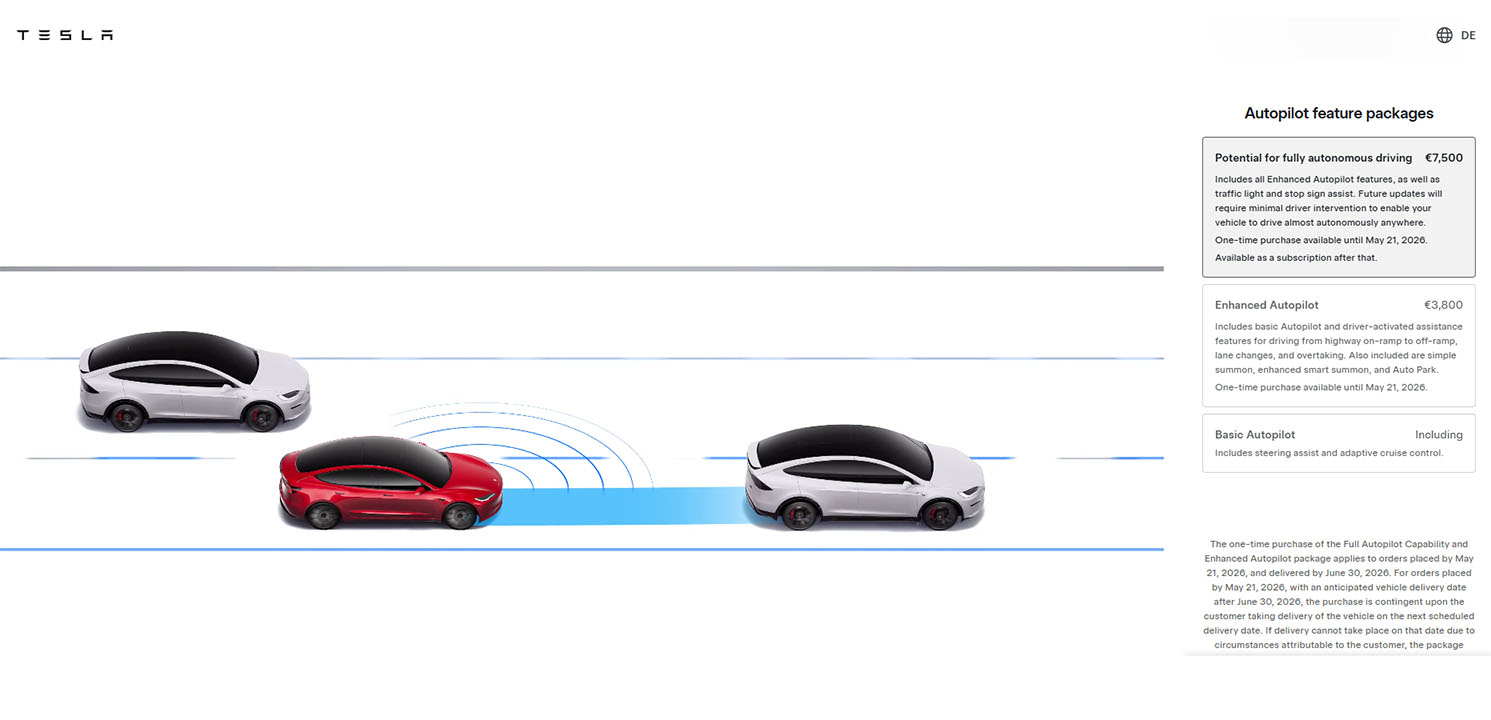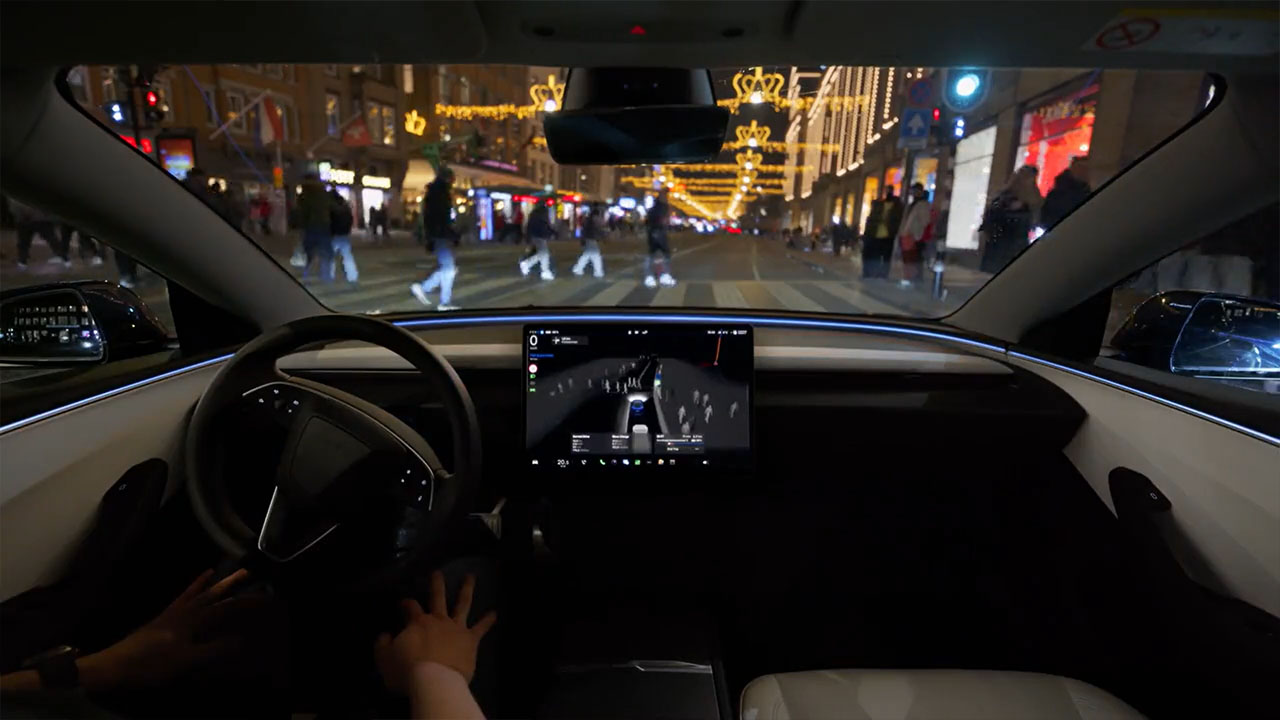
The European rollout of Tesla's most advanced driver-assistance system hangs in the balance, with a pivotal regulatory decision expected on April 10, 2026. While the Dutch vehicle authority, the RDW, holds the immediate key for approving FSD Supervised (v14) in Europe, the broader path to legal operation is governed by a complex new regulatory framework. To navigate this landscape, understanding two critical acronyms—DCAS and UN-R-171—is essential for any follower of Tesla's autonomy ambitions.
Decoding UN-R-171: Europe's New Rulebook for Automated Driving
At its core, UN-R-171 is a landmark United Nations regulation that establishes the first comprehensive, harmonized safety and performance requirements for Automated Lane Keeping Systems (ALKS) and beyond. It moves beyond traditional vehicle hardware rules to define how automated systems must behave. Crucially, it sets stringent standards for system safety, operational design domains (ODD), driver monitoring, and fallback procedures. For Tesla, this regulation is the definitive checklist its FSD technology must satisfy to be certified for use on European roads, replacing a patchwork of national guidelines with a single, formidable benchmark.
The Role of DCAS: Tesla's Technical Gateway to Compliance
This is where DCAS (Data Collection and Analysis System) enters the equation. Think of UN-R-171 as the final exam and DCAS as the detailed, continuous homework required to pass. The regulation mandates that vehicle manufacturers implement a robust system to collect, transmit, and analyze critical data from automated driving events, including system disengagements and potential safety-critical incidents. Tesla's inherent advantage is its fleet-wide telemetry capability. To comply, its DCAS must be formally validated to prove it can reliably gather the evidence needed to demonstrate ongoing compliance with UN-R-171's safety obligations, creating a transparent feedback loop for regulators.
The interplay between these two frameworks explains the current regulatory bottleneck. The RDW's pending decision on an exemption is likely a short-term mechanism to allow limited testing or deployment. However, for full, unrestricted approval, Tesla must achieve formal certification under UN-R-171, supported by its approved DCAS. This process involves rigorous validation testing, audits, and constant data reporting. Europe's methodical, system-first approach contrasts with the more iterative, public-road-focused strategy in North America, forcing Tesla to adapt its technical and regulatory tactics for the continent.
For Tesla owners and investors, the implications are profound. European customers with hardware-equipped vehicles are in a holding pattern, awaiting software that may be fundamentally different—potentially more geofenced or behaviorally restricted—to meet UN-R-171's strict ODD and safety-case requirements. Investors should view the April 10, 2026 RDW verdict not as a finish line, but as the first visible step in a protracted certification marathon. Success will validate Tesla's ability to adapt its global autonomy platform to the world's most stringent regulatory regimes, unlocking a massive new market. Failure or significant delay, however, could cede strategic ground to European automakers designing systems specifically for this regulatory environment from the outset.