In a move that directly challenges one of Tesla's most distinctive design choices, Chinese regulators have taken a decisive step toward banning yoke steering wheels in new vehicles. A draft regulation from China's Ministry of Industry and Information Technology (MIIT) proposes new safety standards that would outlaw the non-circular steering control, with the rules slated to take effect on January 1, 2027. This potential ban places Tesla, the primary proponent of the yoke in mass-market vehicles, at a regulatory crossroads in the world's largest electric vehicle market.
The Regulatory Rationale Behind the Proposed Ban
The draft regulations, while not explicitly naming Tesla, clearly target the unconventional steering wheel design. The MIIT's proposed standards mandate that a vehicle's steering control must be a "closed-loop" shape, effectively requiring a traditional circular rim. The rationale centers on fundamental safety and operational concerns. Regulators argue that a circular steering wheel is essential for safe and intuitive control during maneuvers like sharp turns, parking, and emergency evasive actions—situations where drivers often use hand-over-hand techniques that are nearly impossible with a fixed yoke. This move aligns with a broader, traditionalist approach to vehicle safety in a market that is otherwise aggressively pursuing EV innovation.
Tesla's Yoke Gamble and Market Response
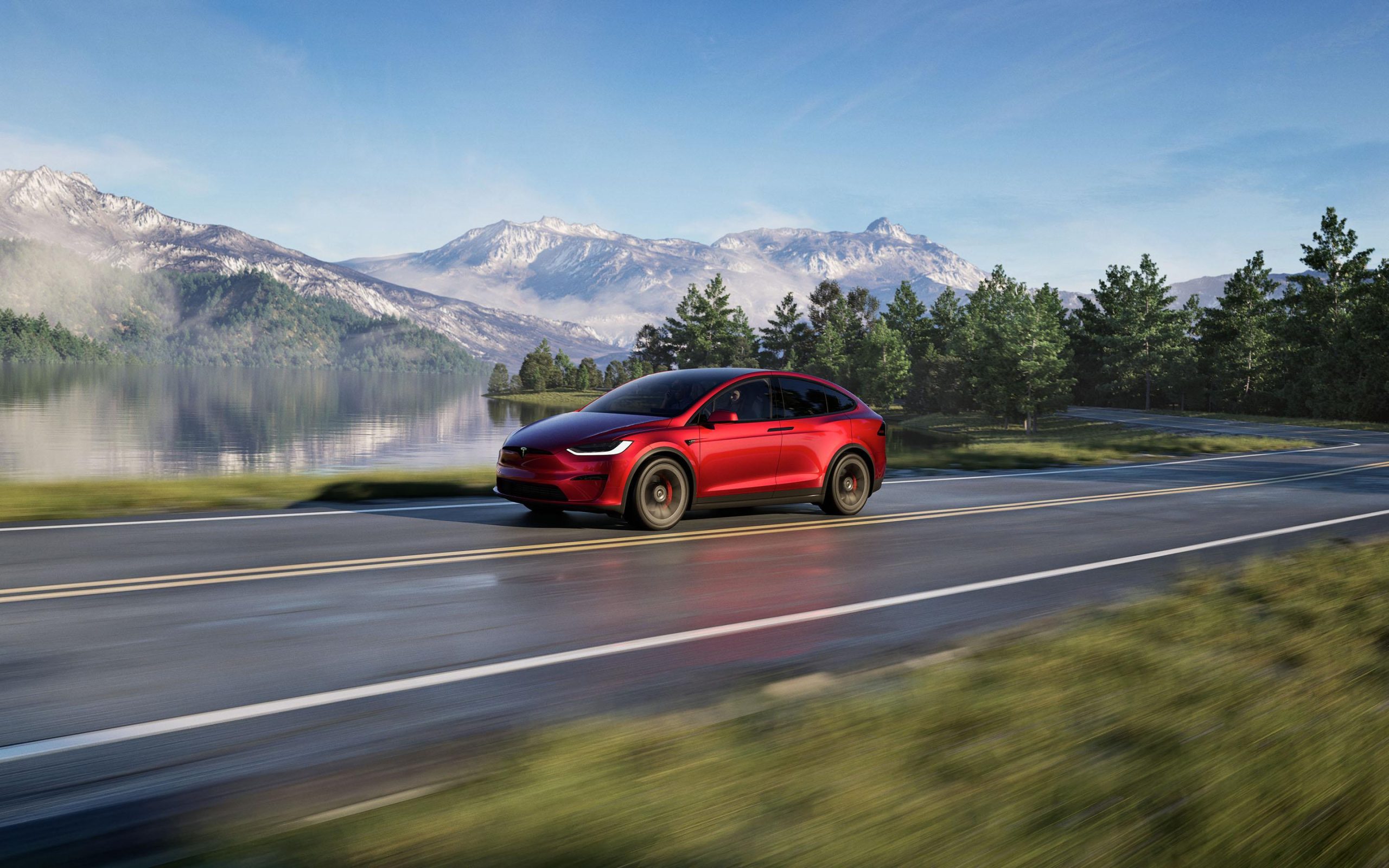
Tesla introduced the aircraft-style yoke steering wheel as a flagship feature on the refreshed Model S and Model X in 2021, touting it as a futuristic enhancement that improved visibility of the instrument cluster. However, the design has been polarizing since its debut. While some enthusiasts appreciated the novelty and aesthetic, many professional reviewers and owners criticized it as ergonomically flawed for daily driving. The backlash was significant enough that Tesla eventually made the traditional round steering wheel a no-cost alternative on its flagship models, a tacit acknowledgment of the mixed reception. The proposed Chinese ban suggests regulators are siding with the critics, prioritizing proven ergonomics over avant-garde design.
This regulatory development cannot be viewed in isolation from the fierce competitive landscape in China. Domestic EV makers like BYD, Nio, and XPeng have largely avoided the yoke, focusing instead on other high-tech interiors and conventional controls. The potential ban could be seen as a subtle nod to domestic manufacturing strengths and consumer preferences, indirectly applying pressure on Tesla's unique design language. For Tesla, which operates a massive Gigafactory in Shanghai and relies heavily on the Chinese market, adapting to local standards is not optional; it's a business imperative.
Implications for Tesla Owners and Investors
For current and prospective Tesla owners in China, the draft rule provides clarity. Vehicles equipped with a yoke purchased before 2027 would be unaffected, but new models sold after that date would need to conform, likely meaning a return to a standard steering wheel for Chinese-market Model S and X vehicles. Globally, this raises questions about whether other major markets, such as Europe or North America, might consider similar safety interventions. For investors, the situation underscores the ongoing tension between Tesla's role as a disruptive innovator and the realities of global regulatory compliance. It highlights a key risk: that a signature design choice could become a liability in critical markets, potentially necessitating costly regional model variations or a global design retreat. How Tesla navigates this challenge—by fighting the regulation, adapting seamlessly, or accelerating a shift to steer-by-wire systems that better suit a yoke—will be a telling case study in its ability to balance vision with pragmatism.