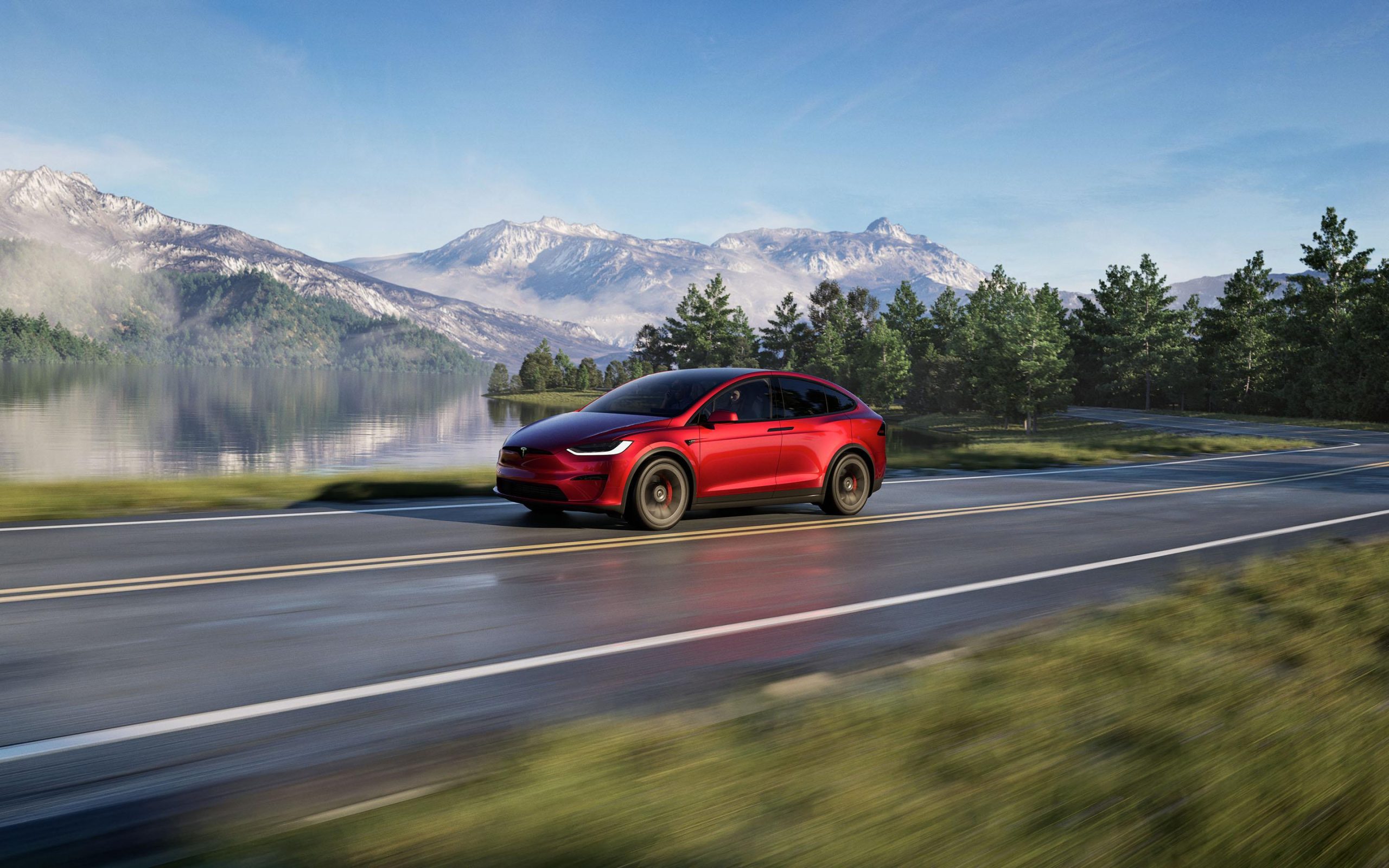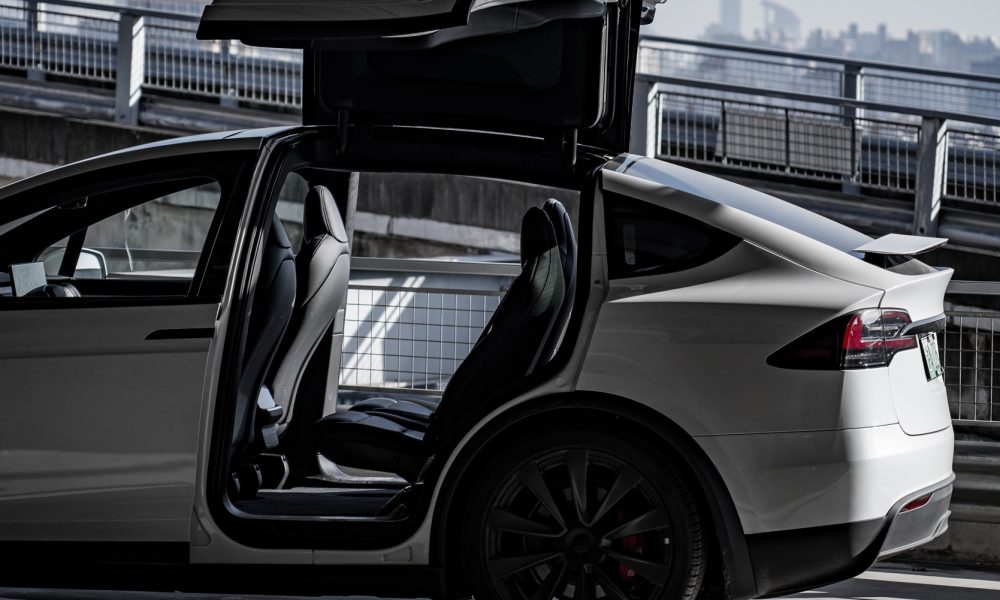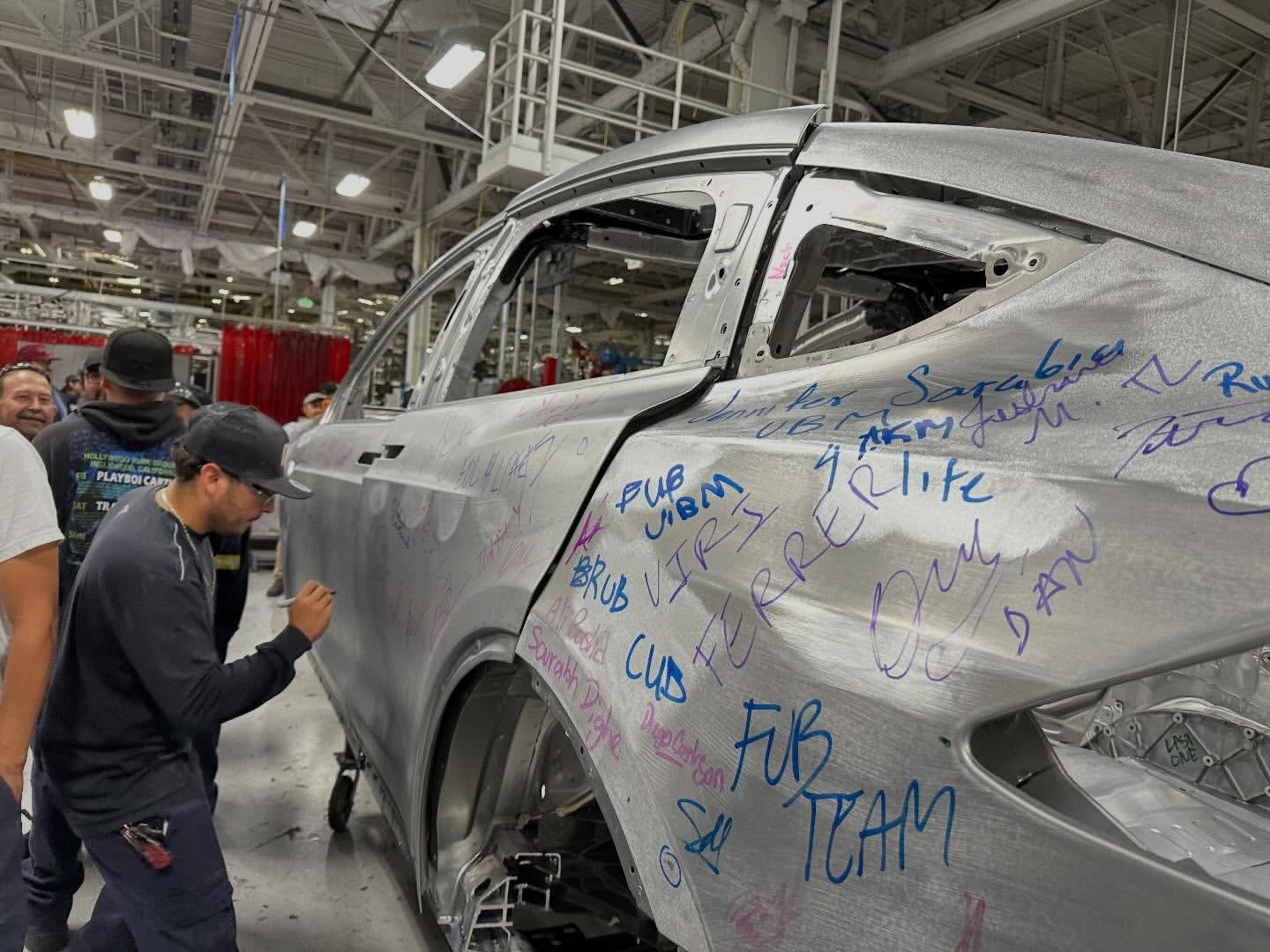
The last Tesla Model X body shell has left the assembly line at Gigafactory Fremont, covered in the signatures of the workers who built it. That image is not a staged farewell; it is a tangible, emotional full stop on a chapter that redefined the electric SUV. For over a decade, the Model X proved that an electric vehicle could offer more than 500 kilometers of range, that falcon-wing doors could be mainstream, and that a family hauler could outrun sports cars. Now, the production line that once hummed with the assembly of these iconic vehicles has fallen silent.
The End of an Era at Fremont
The final unit rolling off the line marks the conclusion of a production run that began in 2015. While Tesla has not published an official obituary for the Model X, the worker-signed body shell tells the story clearly. The Gigafactory Fremont team has shifted focus entirely to the Model Y and the highly anticipated Cybertruck, both of which now command the factory floor. For Tesla enthusiasts, this is a bittersweet moment. The Model X was never the volume leader, but it was the halo car that silenced critics who claimed EVs were slow, impractical, or gimmicky. Its falcon-wing doors and bioweapon defense mode became cultural touchstones, while its 1,020 hp Plaid variant crushed lap records.
What Killed the Model X?
The decision to end production was not a failure of ambition but a matter of economics. The Model X was notoriously complex to build. Its unique door mechanism, panoramic windshield, and second-row seating system required significantly more labor and parts than the simpler Model Y. With Tesla’s relentless push toward cost reduction and manufacturing efficiency, the Model X became a bottleneck. Global EV competition has also intensified. Rivals like the Rivian R1S and Mercedes EQS SUV now offer comparable range and luxury at competitive price points, making it harder for Tesla to justify the premium price tag of the Model X. The writing has been on the wall since Tesla streamlined its lineup, focusing on the Model 3, Model Y, and Cybertruck as its core pillars.
Implications for Tesla Owners and Investors
For current Model X owners, this news carries both pride and practical concern. The vehicle is now a collector’s item, but parts availability and service support will remain critical. Tesla has assured owners that service and software updates will continue for years, but owners should expect longer wait times for unique components like door actuators and glass panels. For investors, the move signals Tesla’s hard-nosed commitment to margins over nostalgia. By killing the Model X, Tesla frees up factory capacity for higher-volume, higher-margin vehicles. This is a clear signal that the company is prioritizing scale and profitability over maintaining a diverse lineup. The Model X may be gone, but its legacy—proving that EVs can be both luxurious and ludicrous—will endure in every Tesla that follows.