In a definitive regulatory clarification, California authorities have drawn a stark line between the marketing of future technology and the legal reality of today's operations. The California Public Utilities Commission (CPUC) has explicitly confirmed that Tesla's current ride-hailing service, which utilizes human drivers, is not classified as an autonomous vehicle operation. This statement cuts through the hype surrounding Tesla's long-promised "robotaxi" future, grounding the company's present-day service in the same regulatory category as a traditional limousine company.
A Permit for Drivers, Not Driverless Cars
Pat Tsen, the CPUC's deputy executive director for consumer policy, transportation, and enforcement, made the distinction clear. Tesla operates under a standard Transportation Charter Party (TCP) permit, identical to those held by chauffeur services. This classification is fundamentally different from the permits granted to companies like Waymo and Zoox, which are authorized to deploy driverless vehicles for passenger service. Consequently, Tesla is not subject to the stringent safety reporting, disengagement data transparency, or specific operational rules mandated for true autonomous vehicle services under the CPUC's Autonomous Vehicle Passenger Service pilot program.
Marketing Ambition vs. Regulatory Reality
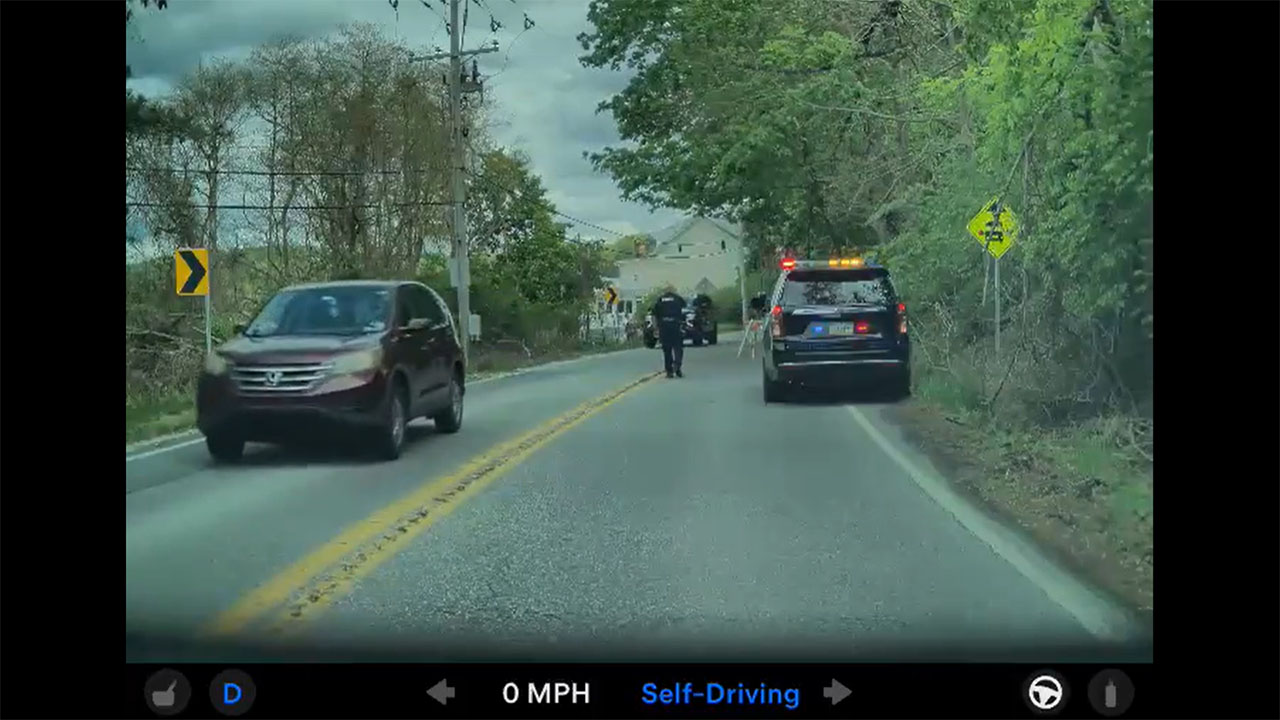
This regulatory pronouncement highlights a growing tension between Tesla's visionary branding and the current capabilities of its vehicles. While CEO Elon Musk has consistently championed an imminent future of fully autonomous Tesla "robotaxis," the company's existing Full Self-Driving (FSD) suite remains a Level 2 advanced driver-assistance system requiring constant human supervision. The CPUC's statement serves as a formal reminder that operating a service with human drivers behind the wheel, even in cars equipped with FSD, is a categorically different business from deploying vehicles without any human safety operator.
For true AV operators, the regulatory burden is significantly heavier. They must report all collisions, provide detailed mileage and passenger trip data, and publicly disclose every instance where a human safety driver had to disengage the autonomous system. By operating under a TCP permit, Tesla avoids these disclosures, which could potentially reveal performance metrics of its FSD technology in a dense, complex urban environment like San Francisco where its ride-hailing pilot is active.
Implications for Tesla's Trajectory and Stakeholders
For Tesla investors and owners, this clarification is a double-edged sword. In the near term, it underscores that the company's ride-hailing revenue and regulatory pathway remain firmly in the conventional, human-driven realm, reliant on the same labor and insurance models as any other car service. It tempers expectations for near-term financial disruption from a driverless network. However, it also sharpens the focus on the monumental regulatory and technological leap Tesla must still make to deliver on its robotaxi promises. The company will eventually need to graduate from a TCP permit to a Driverless Pilot permit, a process that will subject its technology to unprecedented scrutiny and require it to meet a rigorous safety and operational benchmark currently set by its competitors. Until that transition is successfully made, Tesla's autonomous future remains precisely that—a future proposition, not a present-day service.