Tesla has just set a new benchmark in automotive safety, becoming the first automaker ever to clear the United States government's freshly-introduced Advanced Driver Assistance Systems (ADAS) testing protocol. The 2026 Tesla Model Y not only passed but "crushed" the rigorous new evaluations, according to an announcement from the National Highway Traffic Safety Administration (NHTSA) on May 7. This achievement marks a pivotal moment for the electric vehicle giant, proving its technology is not just innovative but also demonstrably safer under the government's most stringent new standards.
NHTSA’s New ADAS Gauntlet
The new NHTSA tests were designed to close a glaring gap in existing safety evaluations. Previous protocols largely focused on passive safety features like crashworthiness. However, with the proliferation of semi-autonomous systems, regulators needed a way to assess how vehicles handle real-world, high-risk scenarios. The test suite includes complex lane-keeping, emergency braking, and driver engagement checks that demand flawless sensor fusion and decision-making. Tesla’s Model Y completed every single one of these new evaluations with a passing score, a feat no other manufacturer has yet managed. This is a direct validation of Tesla's "Vision Only" approach, which relies on cameras and neural networks rather than radar or LiDAR.
What This Means for the Model Y’s Technology
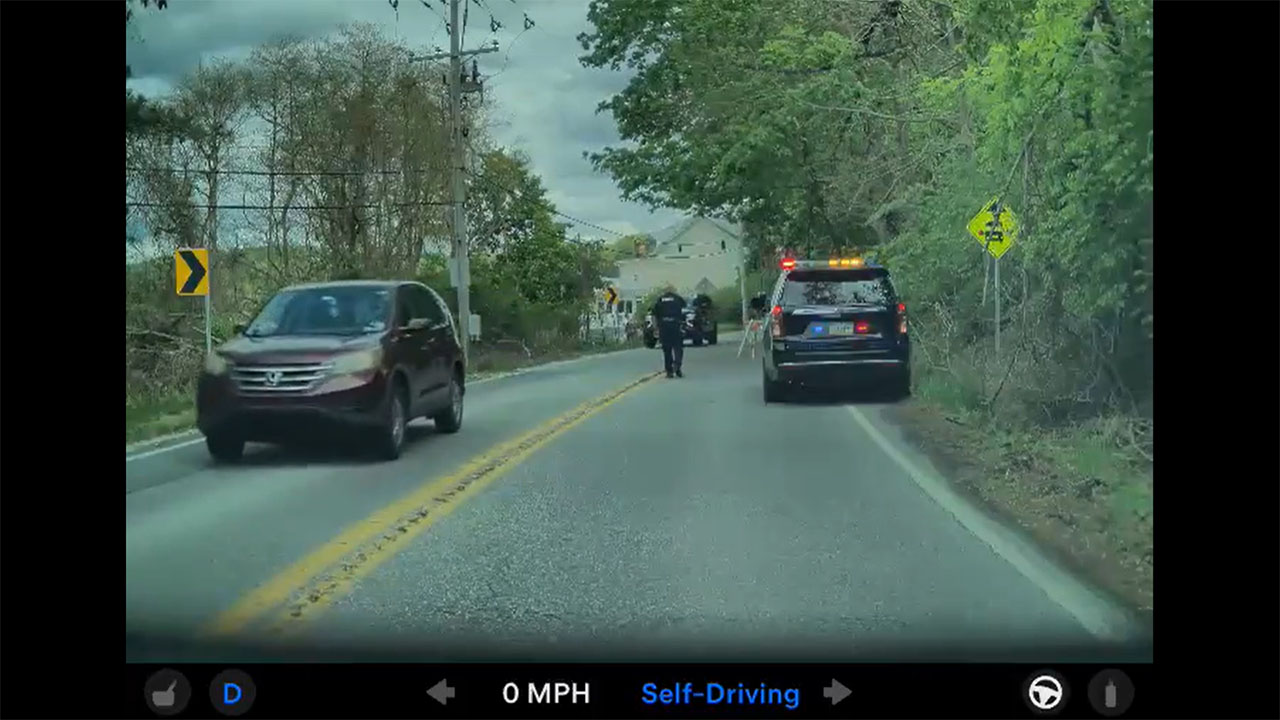
Passing NHTSA’s new tests is a strong signal that Tesla’s Full Self-Driving (FSD) and Autopilot systems are maturing at a rapid pace. The tests specifically target scenarios where previous ADAS systems have failed, such as detecting a stationary vehicle at highway speeds or handling a cut-in from a fast-moving car. By excelling here, Tesla demonstrates that its over-the-air update strategy is working. The 2026 Model Y benefits from the latest hardware and software revisions, which allow it to interpret its surroundings with a degree of nuance that older systems lacked. This is a direct rebuttal to critics who have questioned the safety of camera-only systems.
Implications for Tesla Owners and Investors
For current Tesla owners, this news is a powerful assurance of value. It strongly suggests that their vehicles are being continuously improved via software updates, and that the underlying architecture is future-proof against evolving regulations. For investors, the NHTSA certification is a significant competitive moat. As other automakers scramble to meet these new standards—potentially facing costly hardware redesigns—Tesla has already cleared the bar. This could accelerate regulatory approval for more advanced features and reduce liability concerns. In an industry where safety scores directly impact brand trust and insurance rates, Tesla’s first-mover advantage here is a clear win for both the company and its stakeholders.