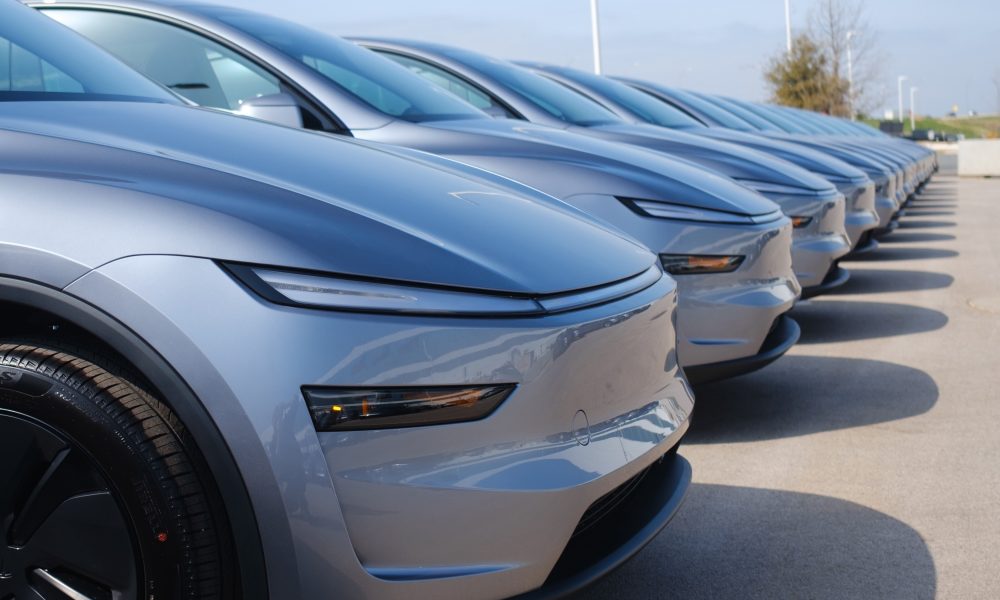
When Tesla unveiled its radical Cybercab concept in 2024, the immediate reaction from many industry watchers was one of bafflement. A two-seater taxi? In a world where ride-hailing is dominated by four and five-passenger sedans, the design seemed counterintuitive, even limiting. Yet, a deeper analysis of the economics, technology, and shifting urban mobility patterns reveals that Tesla's seemingly "asinine" choice is a stroke of brutal, data-driven logic. The two-seater robotaxi isn't a compromise; it's a laser-focused solution engineered for maximum profitability and grid efficiency in the autonomous future.
The Hard Economics of the Empty Seat
The core of Tesla's reasoning lies in cold, hard data. Industry studies consistently show that the vast majority of ride-hailing trips are solo journeys, with two passengers being a far less common occurrence. A standard five-seat vehicle is, therefore, operating with massive inefficiency—hauling around the weight, cost, and spatial footprint of three to four empty seats on most trips. By designing the Cybercab from the ground up as a dedicated two-seater, Tesla dramatically reduces manufacturing costs, energy consumption per mile, and physical size. This allows for a denser, more agile fleet that requires less energy to propel and less material to build, directly translating to a lower cost per ride and a higher margin for the Tesla Network.
Optimizing for the Autonomous Ecosystem
This design philosophy extends beyond the vehicle itself to the entire urban ecosystem. A smaller, nimbler robotaxi can navigate tighter city streets, require less parking space, and reduce congestion. Furthermore, the two-seat configuration is perfectly aligned with the operational model of a fully autonomous fleet. When a family of four needs a ride, the network's algorithm can simply dispatch two Cybercabs simultaneously—a move that increases fleet utilization and revenue while still meeting the customer's need. This dynamic matching capability turns the perceived limitation into a powerful tool for managing supply, demand, and traffic flow in real-time.
Context is also critical. Tesla's robotaxi is not intended to replace every personal car or traditional taxi. It is designed to be the most efficient node in a mixed mobility network, handling the high-volume, point-to-point urban trips that represent the bulk of demand. For longer journeys, group travel, or cargo needs, other Tesla models like the Model Y or future platforms would remain in the ecosystem. The Cybercab's specialization is its strength, allowing it to excel at its primary mission without the compromises inherent in a multi-purpose vehicle.
Implications for Owners and Investors
For Tesla owners, the success of an optimized robotaxi fleet promises to enhance the value of their own vehicles, whether through potential earnings on the Tesla Network or through increased accessibility of mobility services. For investors, the two-seat strategy underscores Tesla's commitment to vertical integration and unit economics. It is a tangible demonstration of moving beyond simply selling cars to selling "transportation as a service" (TaaS) with a ruthlessly efficient asset. If Tesla can deploy this specialized fleet at scale, it could achieve profitability margins in mobility that traditional automakers, still thinking in terms of five-seat passenger cars, cannot match. The bet is clear: in the algorithm-driven future of urban transport, the right-sized vehicle will win.