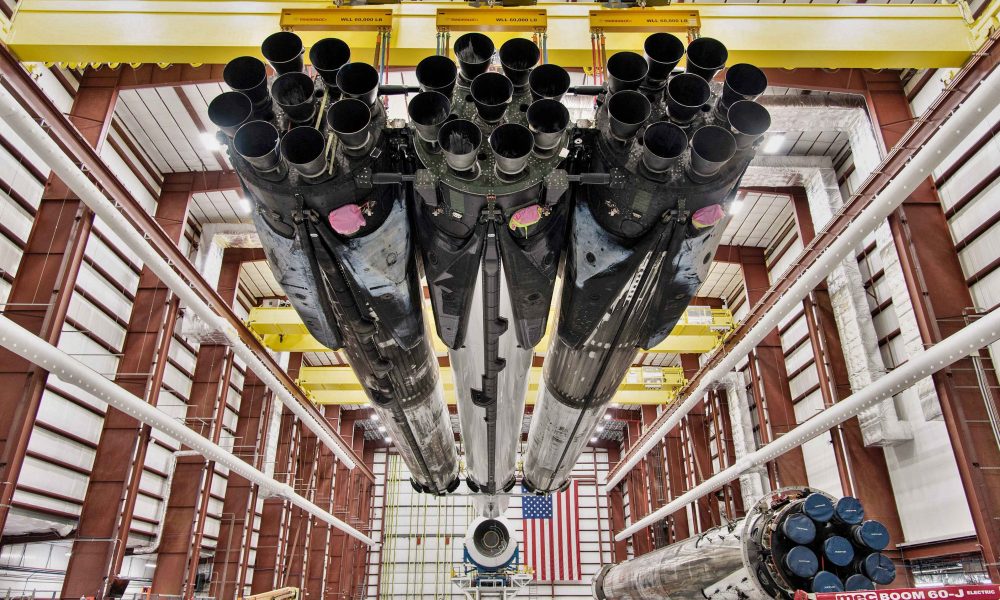
After an 18-month hiatus, the most powerful operational rocket in the world is rolling back to the launch pad. The same SpaceX Falcon Heavy that famously hurled Elon Musk’s personal Tesla Roadster into a heliocentric orbit in 2018 is preparing for a long-awaited return. This time, it is not carrying a symbolic electric vehicle, but a massive, specialized satellite that only this heavy-lift vehicle can deliver. The mission marks a critical validation of the Falcon Heavy’s unique capabilities and signals a new chapter for both SpaceX and the broader aerospace industry.
A Titan Awakens: The Mission That Demands the Heavy
The upcoming flight, designated USSF-52 for the U.S. Space Force, will deploy the X-37B spaceplane—a secretive, reusable orbital test vehicle. This is not a routine cargo run. The X-37B is a large, winged craft that requires the Falcon Heavy’s immense thrust to reach its classified, high-energy orbits. While SpaceX’s workhorse Falcon 9 handles the vast majority of commercial launches, the Heavy is the only operational rocket with the lift capacity to handle such a demanding payload. The mission’s complexity is further underscored by the need for extreme precision and the rocket’s ability to restart its upper stage multiple times, a capability the Falcon 9 lacks in this specific configuration.
From Starman to Secret Spaceplane
The contrast between the Falcon Heavy’s maiden voyage and this return mission is stark. In February 2018, the world watched in awe as the rocket’s three boosters landed in perfect synchronization, while a virtual “Starman” sat behind the wheel of a cherry-red Tesla Roadster. That launch was a masterclass in spectacle and engineering hubris. Now, the Heavy is being called upon for a mission of national security and technological experimentation. This transition from a publicity stunt to a critical government asset highlights the rocket’s evolution. It is no longer a novelty; it is a strategic tool. For Tesla owners and investors, this dual-use narrative is a powerful reminder of the shared engineering DNA and relentless innovation that defines both companies.
Implications for Tesla Owners and Investors
For the Tesla community, this mission is more than just a spaceflight update. It reinforces the core thesis behind Elon Musk’s ventures: that vertical integration and a willingness to fail fast drive exponential progress. The Falcon Heavy’s ability to return after such a long absence—and immediately secure a high-stakes government contract—demonstrates the durability and adaptability of SpaceX’s technology. For Tesla investors, this success indirectly validates the manufacturing and software philosophies that underpin the electric vehicle maker. It also signals that the demand for heavy-lift capability is growing, which could eventually translate into more revenue for SpaceX, further funding the Starship program and, by extension, the broader ecosystem that includes Tesla’s energy and autonomy initiatives. As the Heavy roars back to life, it serves as a tangible reminder that the companies pushing the boundaries of electric vehicles and space exploration are built on the same foundation of relentless iteration and audacious goals.