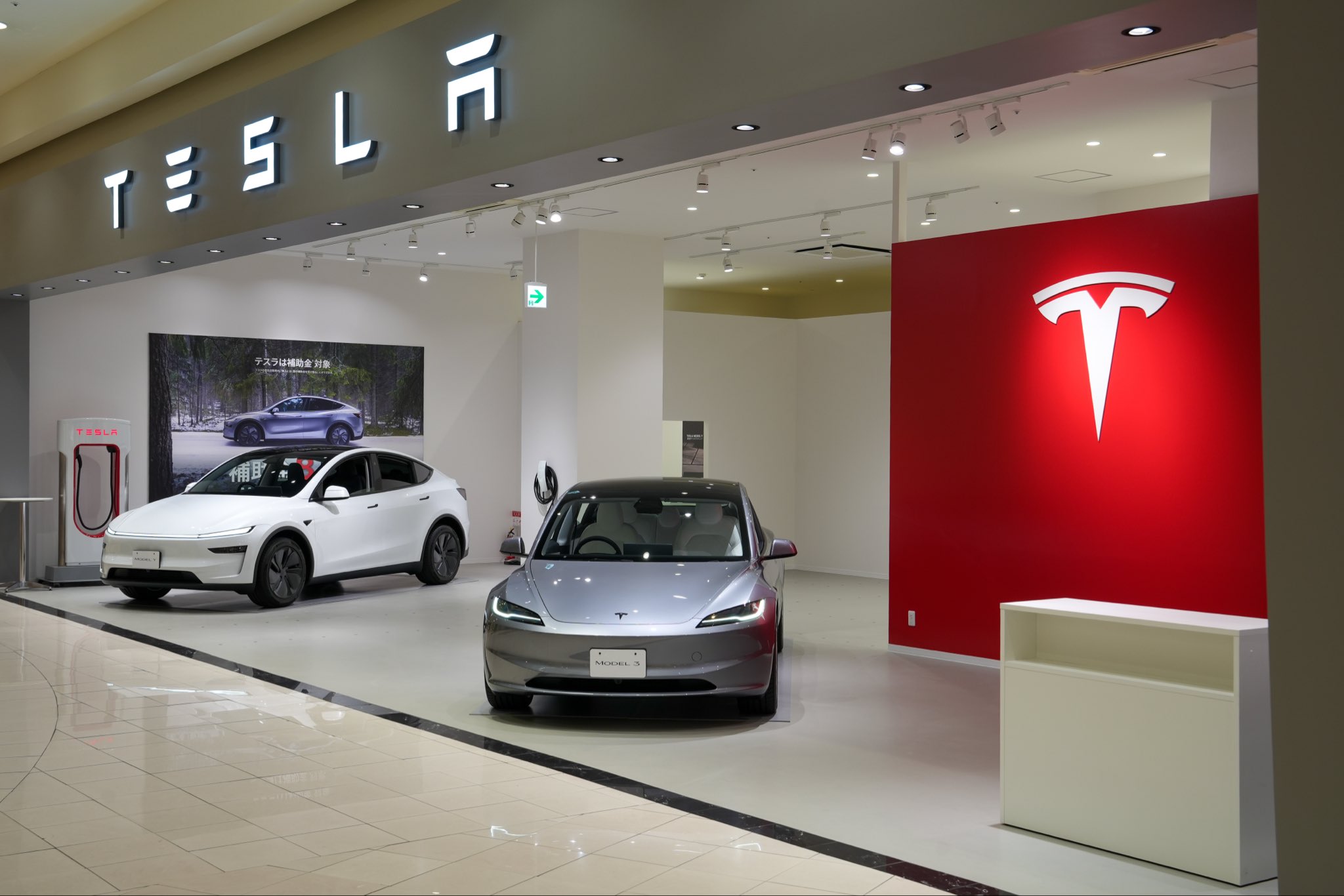
After a prolonged wait that tested the patience of Android users across Texas, Tesla has finally expanded the reach of its autonomous ride-hailing network. The company quietly released its dedicated “Robotaxi” app on the Google Play Store, making the service accessible to Android device owners for the first time. The move comes nearly a full year after the iOS version debuted in September 2025, marking a significant, albeit delayed, expansion of Tesla’s foray into the mobility-as-a-service sector.
A Long-Awaited Android Arrival
The gap between platform releases was unusually wide, even by Tesla’s occasionally unpredictable software rollout standards. While iPhone users have been summoning autonomous Tesla vehicles for months, Android users were left on the sidelines, unable to participate in the pilot program. The app officially appeared on the Google Play Store on April 24, just days after Tesla confirmed it had expanded its Robotaxi service footprint from its initial launch city of Austin to include both Dallas and Houston. This suggests that the Android release was strategically timed to coincide with the service's broader geographic rollout, ensuring a larger potential user base could immediately access the platform.
Service Expansion and Real-World Implications
The expansion from a single metro area to a three-city network is a critical step for Tesla. It moves the Robotaxi service from a niche experiment into a more serious test of operational scalability. By adding Dallas and Houston, Tesla is now navigating more complex urban environments, longer trip distances, and a significantly larger pool of potential riders. The app's interface is designed to be minimalistic, focusing on a ride-hailing flow familiar to users of Uber or Lyft, but with the distinct twist that the vehicle is fully autonomous. For owners of electric vehicles from Tesla, this represents a tangible step toward the company’s long-promised vision of a self-driving fleet that can generate income for the car owner when the vehicle is not in personal use.
What This Means for Tesla Owners and Investors
For current Tesla owners in Texas, particularly those who purchased the Full Self-Driving (FSD) package, the Android app release is a direct invitation to potentially monetize their vehicles. The fleet integration allows owners to add their cars to the Robotaxi network, turning a personal asset into a revenue-generating unit. For investors, the delayed Android launch is a double-edged sword. While it highlights ongoing challenges in software development and cross-platform parity, the simultaneous expansion of the service area and the completion of the mobile ecosystem are positive signals. The true test will be user adoption rates and the safety statistics of the expanded fleet. If successful, this three-city network could serve as the blueprint for a national rollout, fundamentally altering the valuation narrative for Tesla from a pure automaker to a high-margin transportation and technology platform.