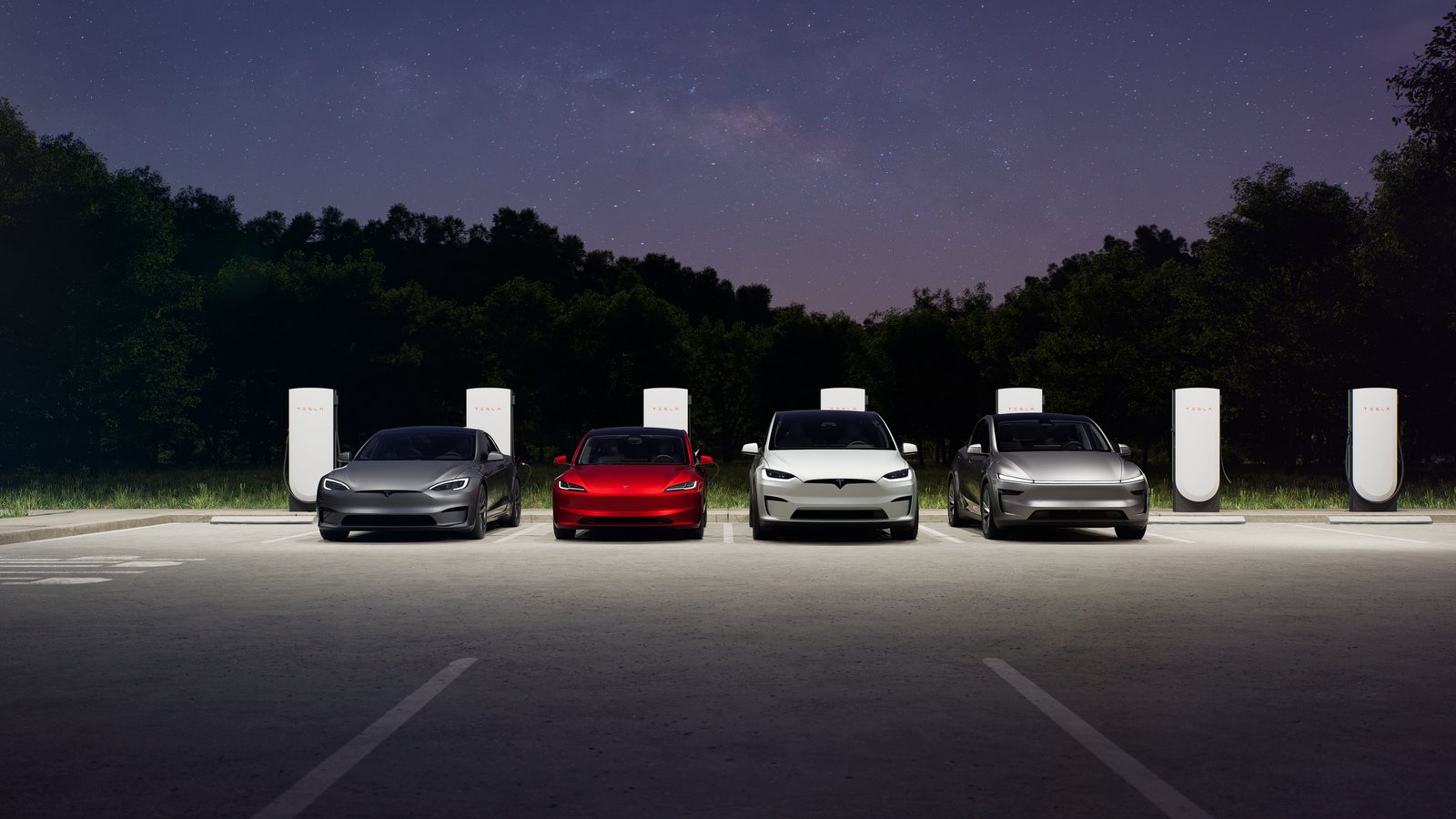
Elon Musk says Tesla's cars don't need the next-generation AI5 chip, so the silicon is headed to Optimus first. A fresh report from Taiwan's chip supply chain suggests a more practical explanation: Tesla simply won't have enough AI5 chips for its electric vehicles until 2028.
A Supply Squeeze at the 3nm Node
According to Commercial Times, Tesla's chip design partner Global Unichip (GUC) is steering its limited TSMC 3nm capacity for 2027 toward data center chips for Google and Microsoft first. That leaves Tesla with a relatively small AI5 allocation. The pecking order is clear. Hyperscalers with deep pockets and large, predictable orders get served before an automaker with a still-emerging robotics program.
Advanced-node capacity is among the tightest resources in the semiconductor industry. Cloud giants are racing to build custom AI accelerators, and TSMC's 3nm lines are in heavy demand. Even a customer as high-profile as Tesla must wait its turn when design partners ration wafers.
Musk's Framing vs. the Supply Chain Reality
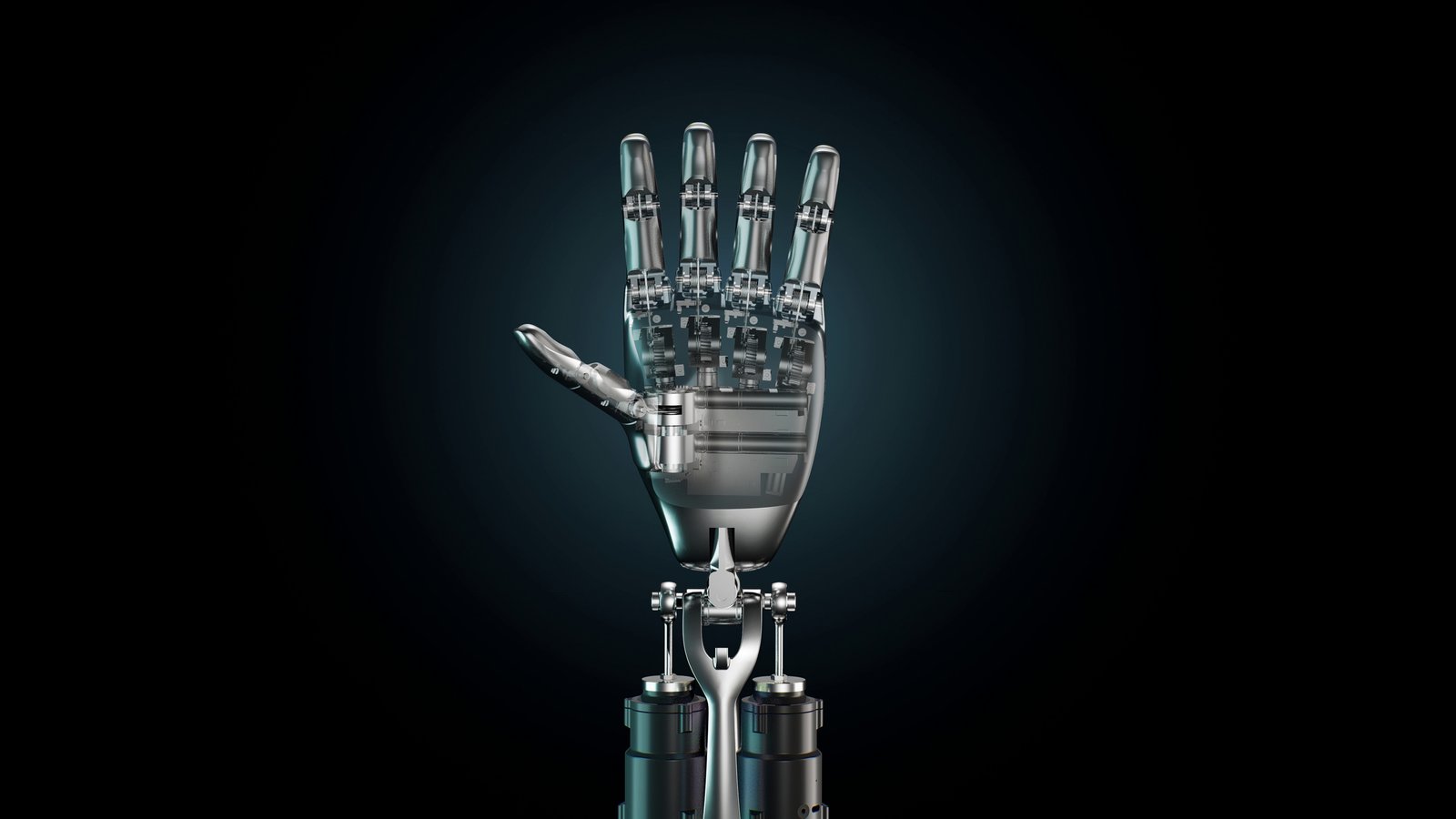
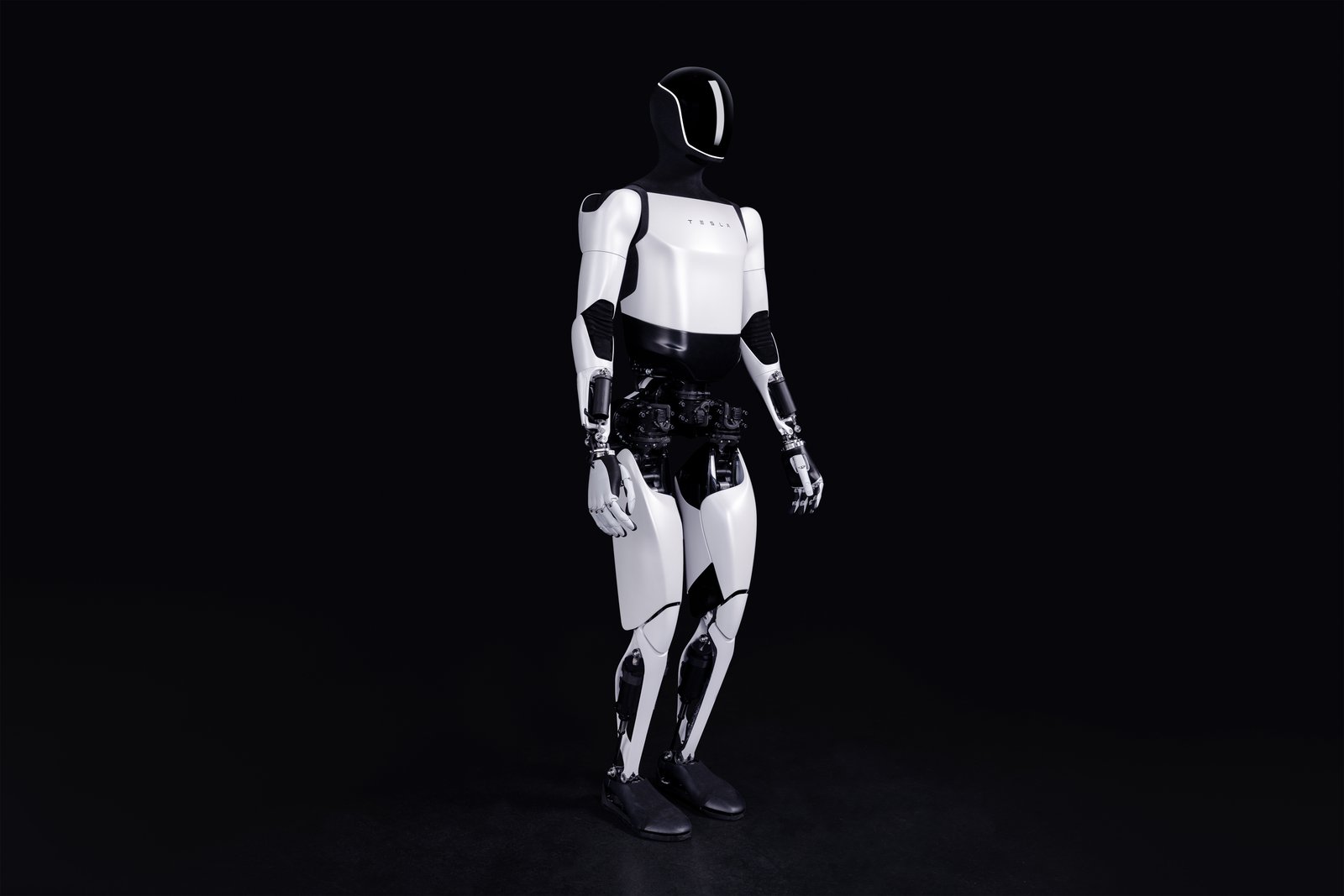
Musk's public message is that Tesla's EV fleet already has what it needs. Current in-car hardware, he argues, is sufficient for the company's driving ambitions, so AI5 can go where it adds the most value: Optimus, Tesla's humanoid robot. That is a coherent product argument. A walking, manipulating robot demands far more onboard inference than a car does.
The supply report does not contradict that logic. It adds a constraint underneath it. If AI5 volumes are small through 2027, prioritizing a low-volume product like Optimus makes more sense than spreading scarce chips across a vehicle line that builds millions of units. Both explanations can be true at once: the strategic story and the supply story point to the same allocation.
Note that the Commercial Times account is a supply chain report, not a Tesla statement. Tesla has not confirmed the allocation figures or the 2028 timeline for cars.
What It Means for Owners and Investors
For Tesla owners, the takeaway is reassuring but limited. Vehicles on current hardware will not be getting AI5 anytime soon, so expectations for Full Self-Driving improvements should rest on software and existing compute. Buyers waiting for next-generation in-car silicon may be waiting until 2028 or later.
For investors, the report highlights a dependency risk. Tesla's AI roadmap leans on third-party foundry capacity it does not control, and it competes for that capacity with some of the world's largest tech companies. Optimus timelines and any robotaxi hardware upgrades now hinge on how quickly GUC and TSMC can expand supply. Watch for updates on 3nm allocation, since they will shape how fast Tesla's AI ambitions can scale.