Tesla is pouring concrete for its next big bet. Tesla (TSLA) is moving fast on the construction of a dedicated Optimus humanoid robot factory at Giga Texas, and the latest drone footage of the Austin campus shows foundation work that points to heavy casting equipment. For investors tracking the company's pivot from electric vehicle maker to robotics player, the images offer some of the clearest physical evidence yet of the build-out.
Optimus Factory Takes Shape in Austin
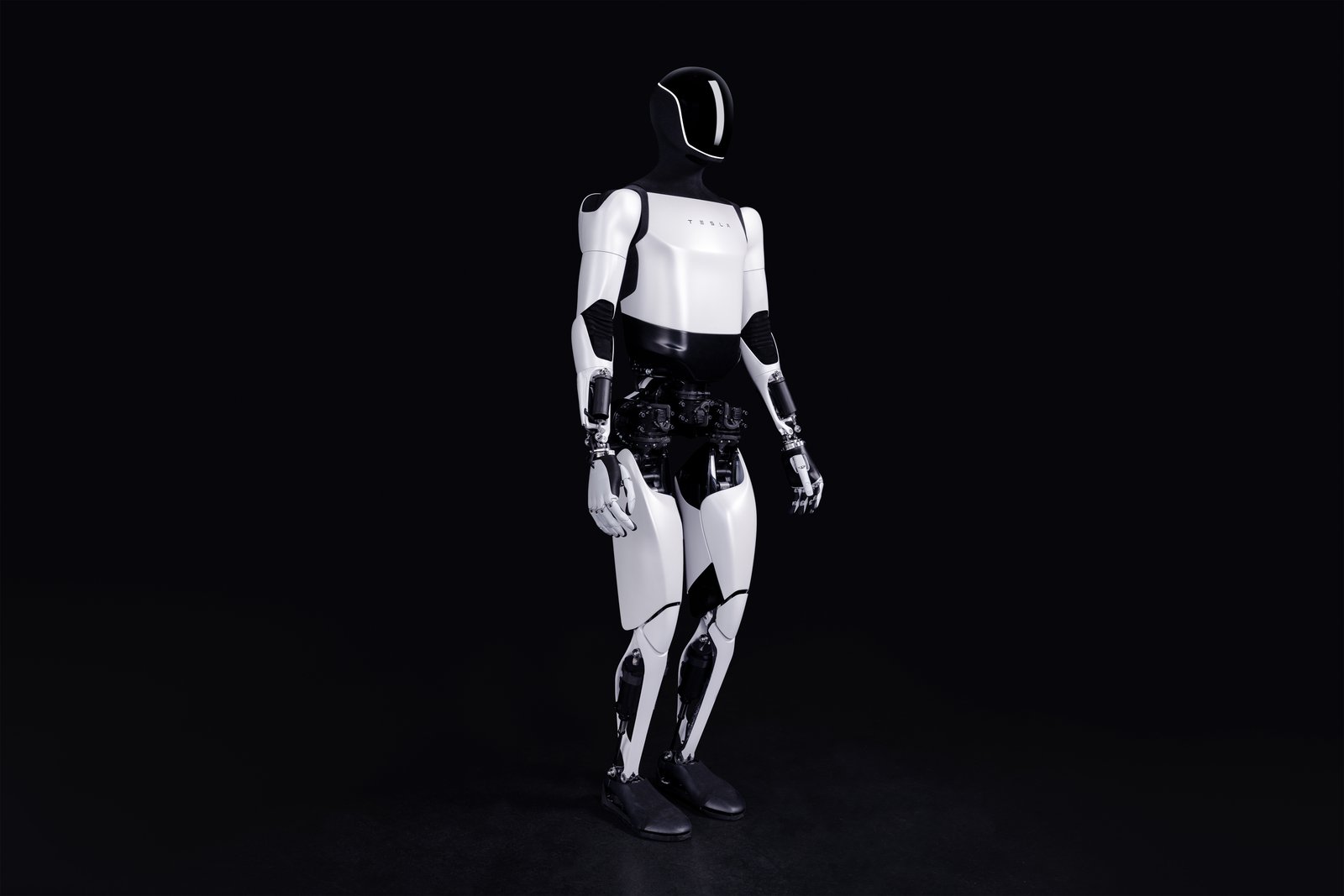
The new site will serve as the second production facility for Optimus. The first sits in Fremont, California, where Tesla has been developing and building early units of the robot. Placing a second plant at Giga Texas signals that the company is planning for volume well beyond a pilot line.
The drone footage shows progress on the structure and groundwork, including foundations laid for Giga Press equipment. That detail matters. Tesla pioneered large-scale gigacasting in its vehicle lineup to replace dozens of stamped and welded parts with single castings. Applying the same logic to a robot suggests Tesla wants to cut part counts, reduce assembly time and lower costs per unit.
Why Giga Presses Matter for Robot Production
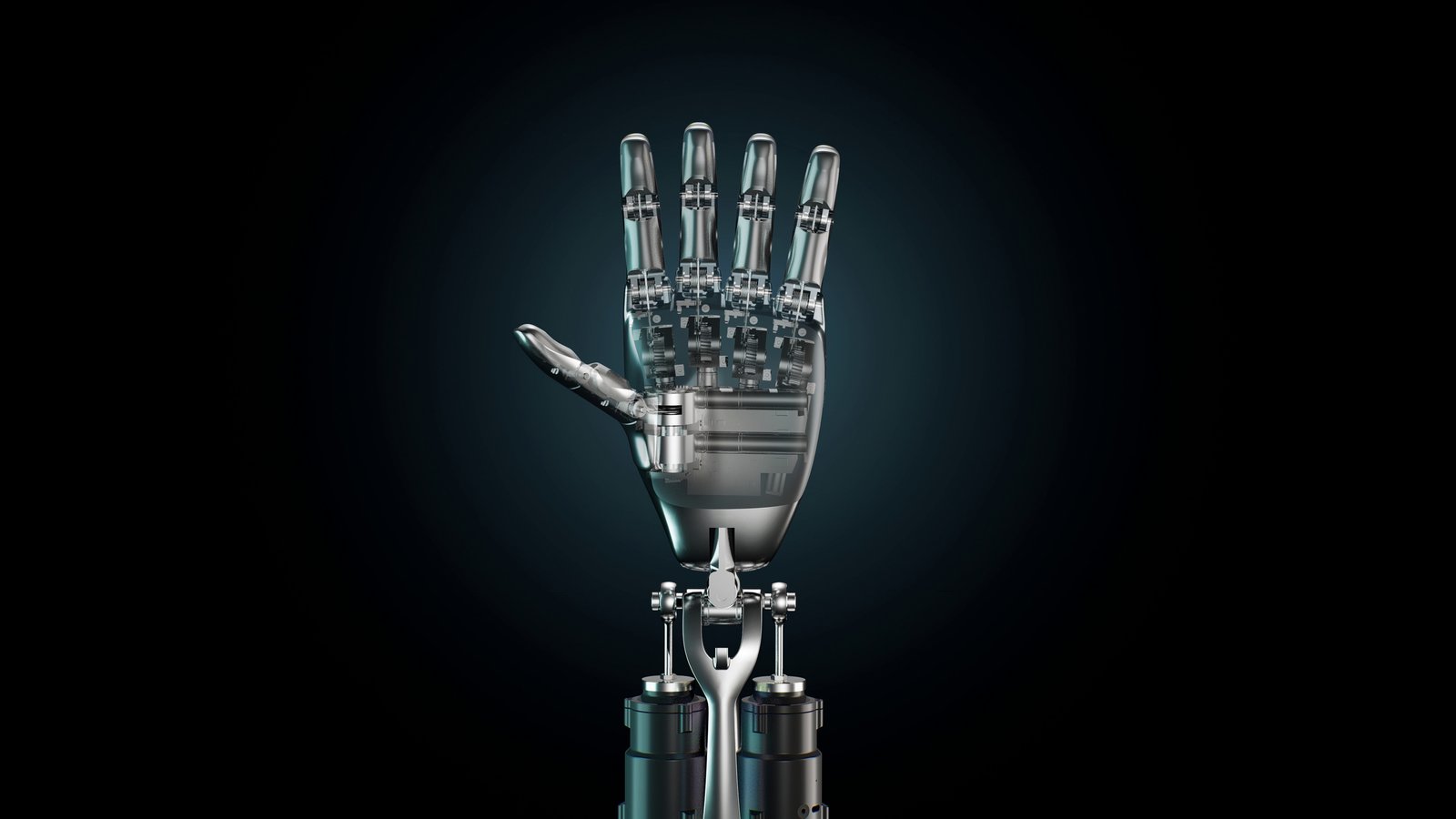
A humanoid robot is a complex machine with a structural frame, actuators, batteries and compute. Casting large structural components in one piece can simplify that frame. It can also improve consistency, which becomes critical as production scales from hundreds of units to thousands.
The choice of Giga Texas is logical. The campus already hosts Cybertruck and Model Y production, along with Giga Press operations and a deep supply chain. Tesla can draw on existing casting expertise, battery know-how and manufacturing talent instead of starting from scratch. Co-locating Optimus with its vehicle operations also lets the company share logistics and engineering resources across programs.
What It Means for Tesla Owners and Investors
For investors, the construction reinforces CEO Elon Musk's long-standing claim that Optimus could become a major part of Tesla's future value. Foundations and equipment pads are not production, however. Tesla still has to prove the robot's capabilities, hit cost targets and secure real customers. Timelines for ambitious Tesla projects have slipped before, so the pace of equipment installation and the first output from the Texas line are the milestones to watch.
For Tesla owners, the near-term impact is indirect but real. Shared manufacturing technology, from casting methods to AI hardware, could feed back into vehicle production. Meanwhile, a successful Optimus program would diversify Tesla's revenue beyond EV sales, which face pricing pressure and rising global competition. Watch for updates on the factory's completion and the first Giga Press installations, because those will show how serious and how soon Tesla's robot production push really is.