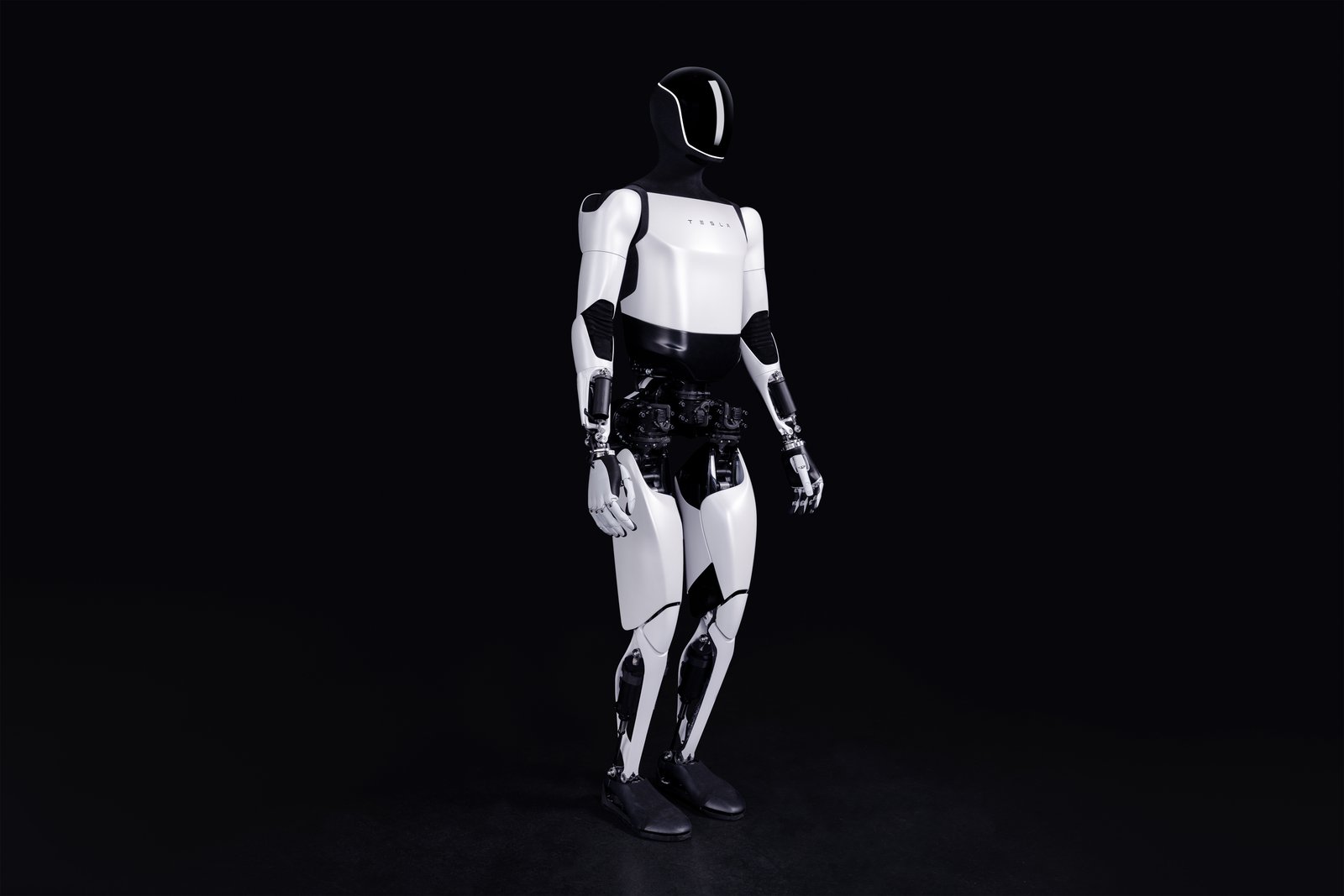
Tesla is reaching deep into the German industrial heartland to solve one of the toughest problems in humanoid robotics: building Optimus at scale. According to a filing with Germany's antitrust authority that surfaced on Friday, the EV maker plans to acquire EMAG, a manufacturing systems supplier with a history stretching back more than a century. Reuters first reported the news.
Why EMAG Matters for Optimus
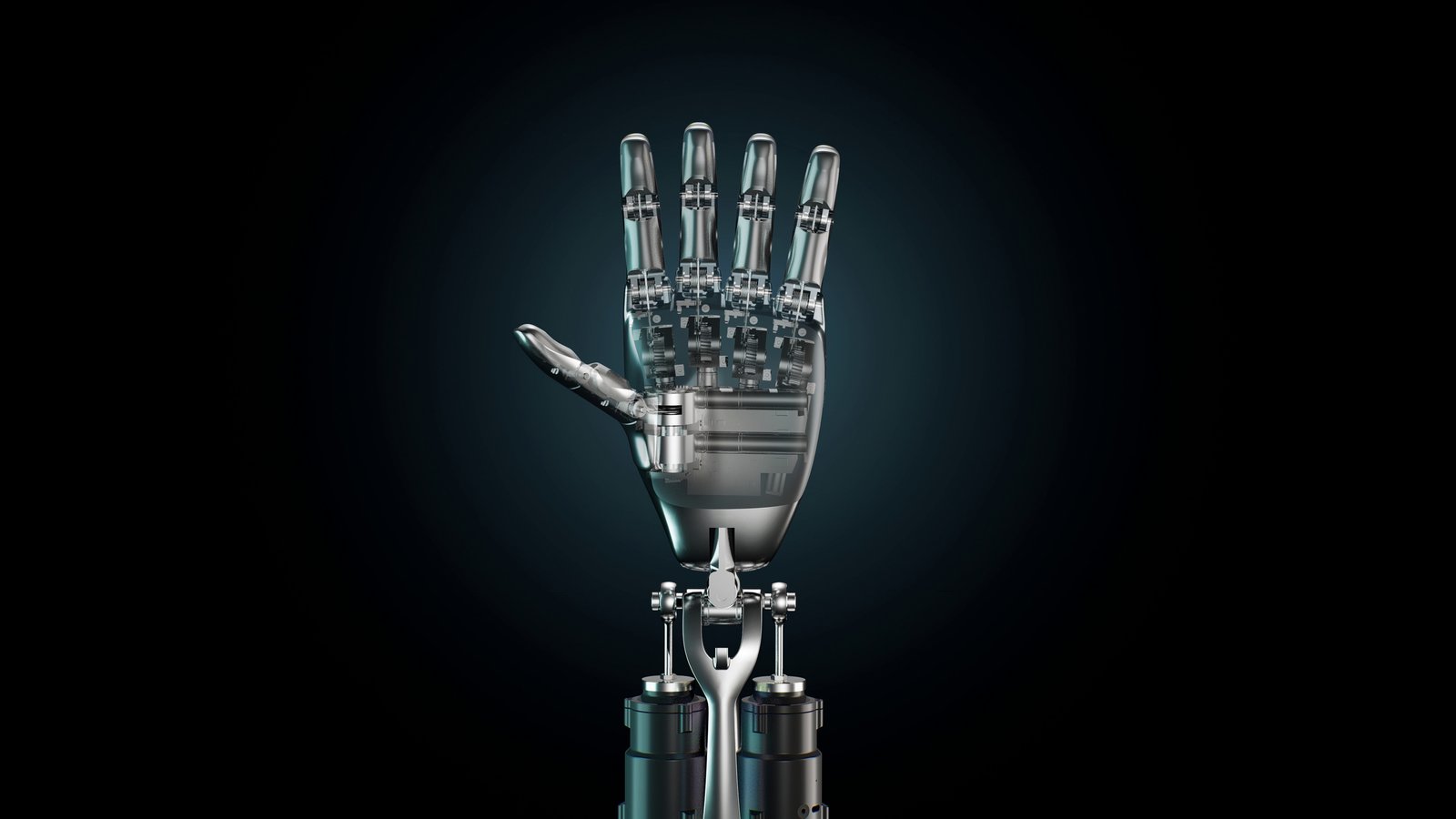
EMAG specializes in precision machines used to produce drive systems, the actuators, gearboxes and related components that let a humanoid robot move. That is exactly where Optimus faces its steepest manufacturing challenge. A humanoid needs dozens of high-performance joints, and each one demands tight tolerances at volumes the robotics industry has never reached.
Owning a specialist in this field gives Tesla direct access to machine-building expertise rather than a place in a supplier queue. The company has long argued that controlling production technology is a competitive edge. The same philosophy drove its Giga Press casting strategy for electric vehicles, and EMAG would extend it to robotics.
A Vertical Integration Playbook
The deal fits a familiar pattern. Tesla has repeatedly pulled critical capabilities in-house, from battery cells to software to chips. Applying that approach to humanoid robot components could reduce dependence on outside suppliers, shorten development cycles and protect intellectual property.
The acquisition also signals how seriously Tesla treats Optimus as a business line. Buying an established German machinery maker suggests the company is planning for industrial-scale output, not just prototypes. Details such as the purchase price and closing timeline have not been disclosed, and the transaction still needs regulatory clearance from the antitrust authority.
What It Means for Owners and Investors
For investors, the move reinforces that Tesla is pursuing Optimus as a serious manufacturing program with real capital behind it. Success would add a new revenue stream beyond the electric vehicle business, though the payoff remains years away and execution risk is high. Watch for the deal's financial terms and any regulatory conditions.
For Tesla owners, the near-term impact is indirect. Precision manufacturing knowledge often flows across product lines, so advances in drive-system production could eventually benefit vehicle components too. The bigger story is strategic: Tesla is building the industrial muscle to make humanoid robots in volume, and EMAG may become a key piece of that foundation.