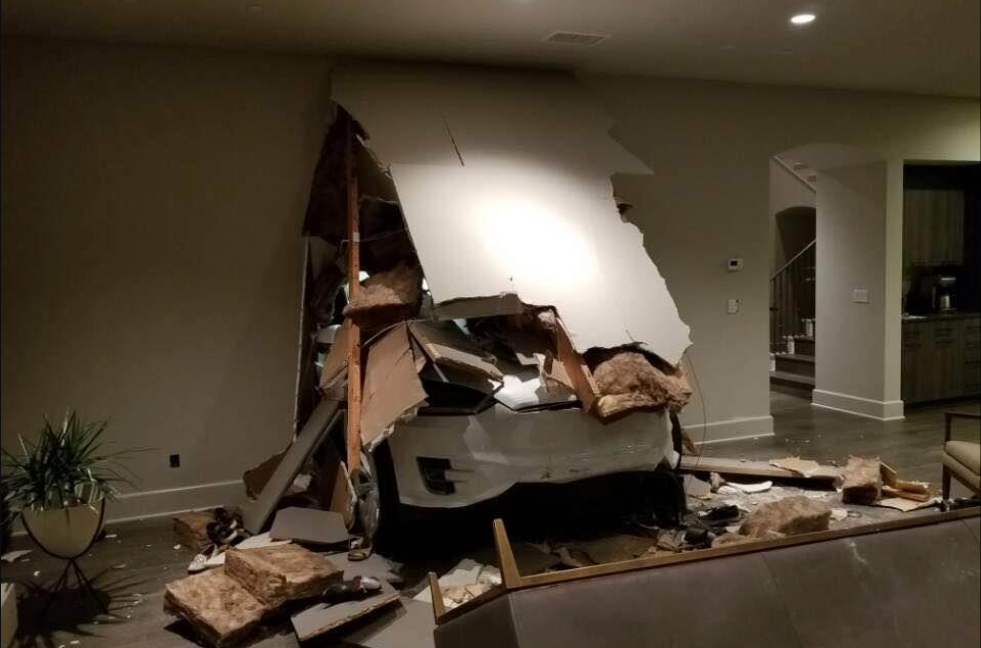
In a significant regulatory exoneration, the National Highway Traffic Safety Administration (NHTSA) has closed its nearly three-year investigation into alleged "sudden unintended acceleration" in Tesla vehicles, finding no evidence of a manufacturing defect. The agency's verdict, detailed in a recently published report, attributes all examined incidents to "pedal misapplication"—or driver error—effectively clearing Tesla's vehicle systems of blame. This closure provides Tesla and its owners with a powerful rebuttal to a long-standing and high-profile safety allegation, but it arrives alongside the deepening of another, potentially more consequential, federal probe.
NHTSA's Definitive Findings on Acceleration
The NHTSA's Office of Defects Investigation scrutinized every alleged incident, analyzing event data recorder (EDR) logs in 111 crashes. In every case, the data was conclusive: the vehicles' systems operated as designed. The investigation found that when drivers reported their vehicle accelerating on its own, the EDRs showed the accelerator pedal was pressed, and the brake pedal was not. "There is no evidence of any fault in the accelerator pedal assemblies, motor control systems, or brake systems that contributed to the incidents," the agency stated. This technical conclusion aligns with Tesla's longstanding position that its redundant systems make such a fault electronically impossible.
A Contrasting Probe into Power Steering
While one cloud disperses, another darkens. This week, the NHTSA upgraded its preliminary evaluation into 2,400 complaints about a loss of power steering assist in certain Model 3 and Model Y vehicles to an Engineering Analysis—a more advanced probe that often precedes a recall. The investigation, now covering an estimated 334,000 vehicles from the 2023 model year, focuses on incidents where drivers report a sudden increase in steering effort, sometimes accompanied by alerts. This escalation signals the agency has identified a potential trend serious enough to warrant deeper resources and brings the issue one step closer to a potential mandatory recall.
The juxtaposition of these two federal actions highlights the complex landscape of automotive safety in the software-defined vehicle era. The closed acceleration probe underscores the critical role of objective data in separating sensational claims from engineering reality. Conversely, the intensified power steering investigation demonstrates the NHTSA's vigilant posture on tangible, recurring malfunctions that directly impact vehicle control. For Tesla, it's a mixed report card: top marks on one fundamental safety question, but a pending, serious exam on another.
For Tesla owners and investors, the implications are twofold. The dismissal of the sudden acceleration investigation should bolster confidence in the core safety architecture of Tesla's electric vehicles and may help mitigate a persistent narrative used by critics. However, the expanding power steering probe represents a tangible operational and financial risk. A widespread recall, if ordered, could be costly and logistically challenging. More importantly, it touches on a primary vehicle control function, a category the NHTSA treats with utmost seriousness. Investors will watch for any impact on Tesla's reputation for build quality and the potential for future warranty-related expenses.