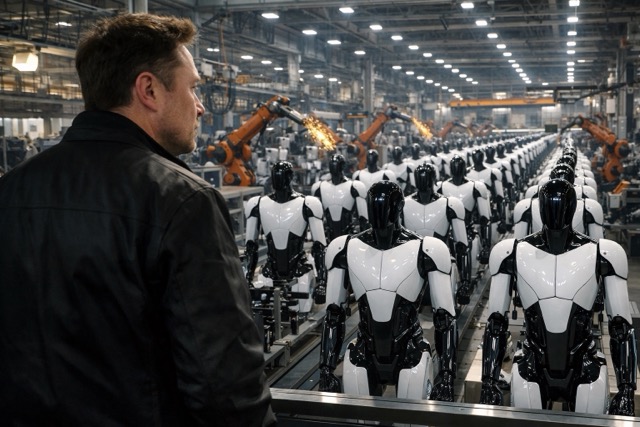
In the high-stakes race to commercialize humanoid robots, Elon Musk has dramatically narrowed the competitive field. During Tesla's Q4 2025 earnings call in late January 2026, the CEO made a stark declaration: the global contest for robotic dominance is no longer a crowded marathon but a direct sprint between two titans. For Tesla and its Optimus project, Musk sees only one true rival on the horizon—not a Western tech giant, but the collective industrial and technological might of China.
The Strategic Shift: From Crowded Field to Bipolar Race
Musk's comments mark a significant evolution in Tesla's public robotics strategy. Previously, the landscape appeared populated with numerous contenders from the US, Europe, and Asia. However, Musk now frames the competition as a "duel," effectively dismissing other players as non-essential in the long-term outlook. This perspective is rooted in a critical assessment of capability versus hype. While other companies may showcase impressive research prototypes, Musk believes only China possesses the trifecta necessary for mass-scale success: aggressive state-level funding, unparalleled manufacturing agility, and a vast domestic market for industrial automation. This creates a unique adversary that can iterate at speed and scale in a way fragmented Western efforts cannot easily match.
China's Formidable Robotics Ecosystem
The Chinese threat is not monolithic but a distributed network of highly capable entities. Companies like Unitree Robotics and Fourier Intelligence have already deployed advanced bipedal robots in real-world scenarios, from logistics to healthcare. More importantly, China's entire EV supply chain—which Tesla itself relies upon—is seamlessly adaptable to humanoid robot production. This ecosystem provides Chinese developers with access to affordable, high-volume components like actuators, sensors, and batteries. Musk fears this "vertical integration on a national scale," recognizing that China's ability to rapidly lower costs and deploy robots at a staggering pace could define global standards before others even leave the prototyping phase.
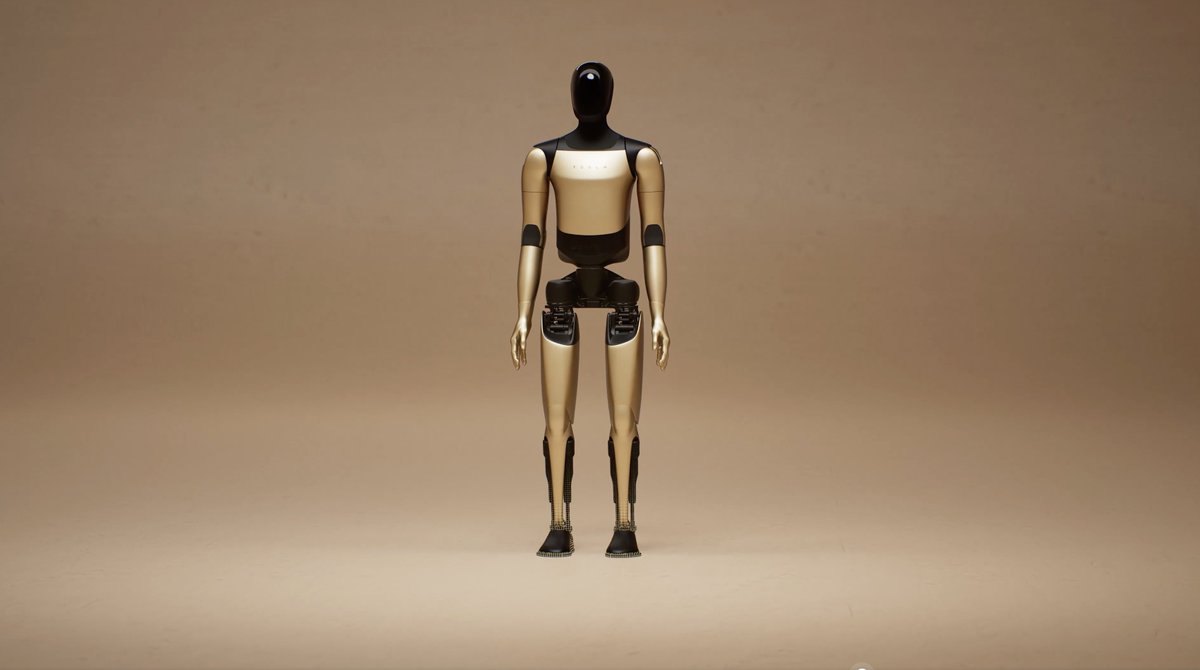
This context makes Tesla's impending reveal of the next-generation Optimus prototype all the more crucial. The update is expected to focus heavily on manufacturability and cost reduction, key battlegrounds where Tesla must prove it can compete. The company's advantages lie in its real-world AI training data from its fleet, its experience in precision manufacturing, and its potential for tight integration of Optimus into its existing automation and energy ecosystems. The coming unveiling is less a mere product launch and more a strategic counter-statement aimed at demonstrating that Tesla's holistic approach can outmaneuver China's collective industrial might.
Implications for Tesla's Trajectory and Stakeholders
For Tesla investors, this clarified competitive lens underscores the monumental opportunity and risk embedded in the Optimus venture. Success could open a market dwarfing the automotive sector, but the path is now clearly defined as a head-to-head clash with a formidable, state-backed competitor. For the broader EV and tech industry, Musk's analysis signals that the future of automation may be shaped by a US-China duopoly, with profound implications for global supply chains and labor markets. Tesla owners and enthusiasts should watch for how advancements in Optimus's neural networks and real-world learning could eventually feed back into vehicle autonomy and AI, creating a synergistic loop that strengthens Tesla's core products while it races to build the robots of tomorrow.