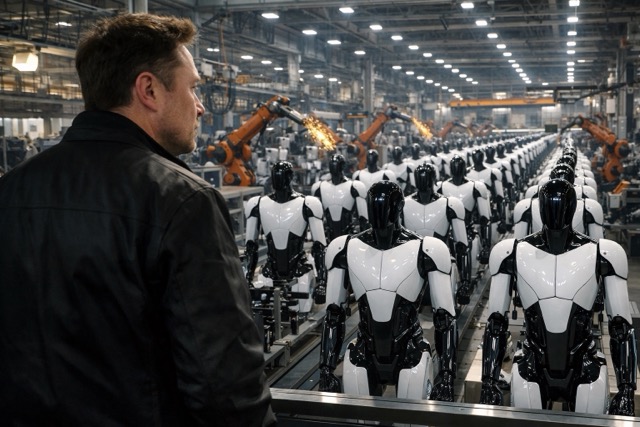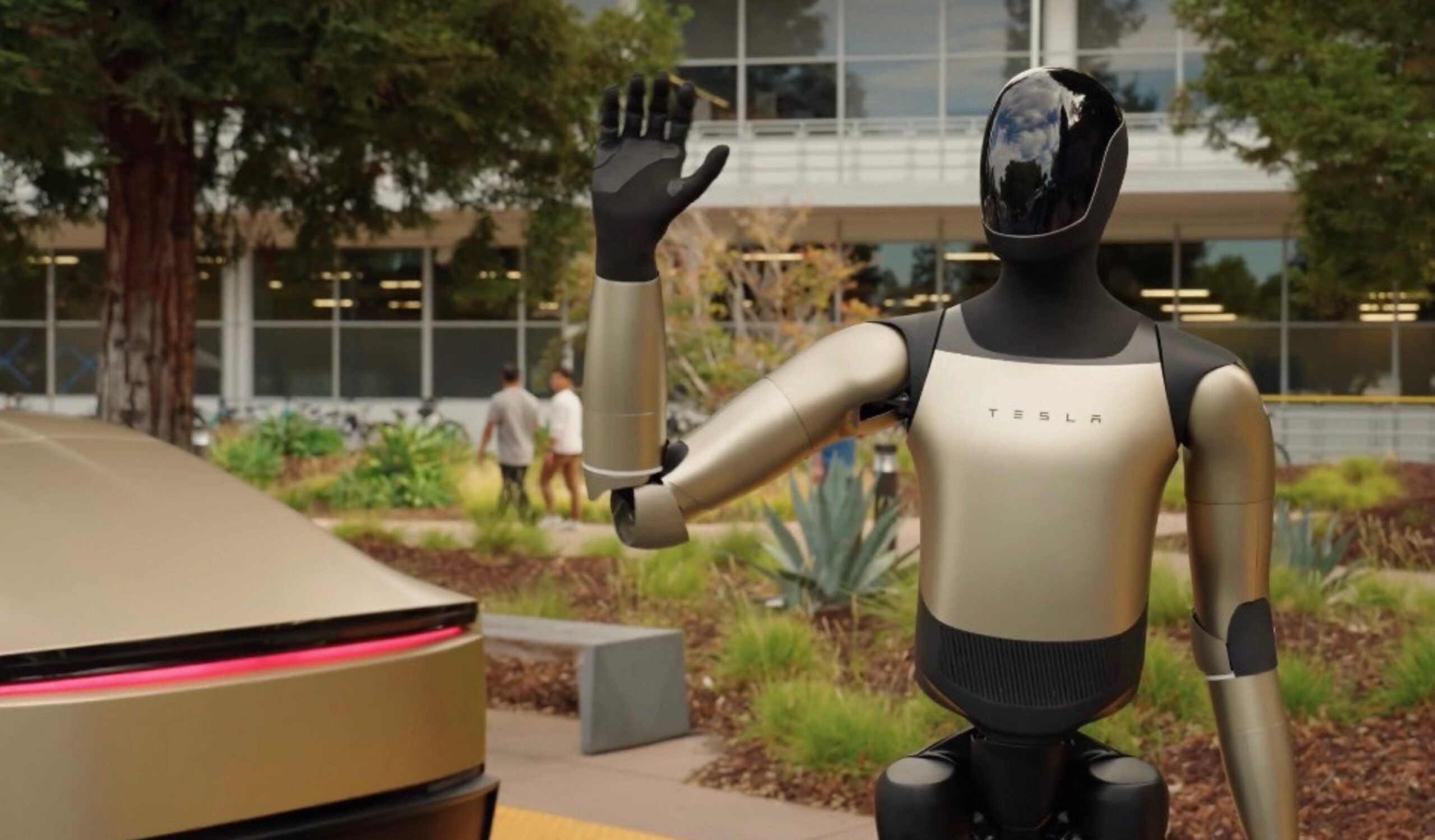
While the automotive world remains fixated on Full Self-Driving, Elon Musk is quietly mobilizing a new kind of workforce. The Tesla CEO has shifted significant resources toward a project codenamed Optimus Academy, a bold and unprecedented training ground designed to forge his humanoid robots into a capable, multi-skilled labor force. This initiative marks a pivotal transition for the Optimus program, moving from controlled demonstrations to solving the immense challenge of real-world autonomy.
From Prototype to Workforce: The Academy's Core Mission
The Optimus Academy is not a physical campus but a sophisticated, large-scale AI training infrastructure. Its primary function is to use the vast datasets from Tesla's real-world fleet—along with simulated environments—to teach Optimus bots complex, dexterous tasks. Think of it as a "university" for robots, where they learn through neural network training and reinforcement learning. The goal is to move beyond single, pre-programmed functions and achieve generalized autonomy, enabling a single Optimus unit to perform diverse jobs, from simple factory logistics to delicate home assistance, by understanding and navigating unstructured environments.
The Data Engine: Leveraging Tesla's Unfair Advantage
Musk's plan hinges on what may be Tesla's greatest asset: data. The Optimus Academy will leverage the petabyte-scale video and sensor data collected from millions of Tesla vehicles navigating complex real-world scenarios. This data is invaluable for teaching robots about object permanence, physics, and unpredictable human behavior. Furthermore, Tesla's prowess in Dojo supercomputer training will be critical for processing this information at the speed and scale required. This synergy between the automotive AI stack and humanoid development creates a formidable moat that competitors without a real-world data pipeline will struggle to cross.
The implications of a successful Optimus Academy extend far beyond Tesla's own factories. Musk has consistently framed the robot as a solution to global labor shortages and a catalyst for a "future of abundance." A truly capable, mass-produced Optimus could disrupt industries from manufacturing and logistics to retail and elder care. However, the path is fraught with technical hurdles that exceed those of autonomous driving, including advanced bipedal mobility, fine motor manipulation, and safety certification in human spaces.
Strategic Implications for Tesla and Its Stakeholders
For Tesla investors, the Optimus Academy represents both a high-risk bet and a potentially universe-expanding opportunity. It signals a long-term commitment to transforming Tesla from an automotive and energy company into a leader in general-purpose robotics. Success could unlock a market orders of magnitude larger than the EV sector. For Tesla owners, the development accelerates the company's AI and sensor capabilities, which may indirectly benefit the evolution of their vehicles' autonomous features. The world is watching to see if Musk can once again defy skeptics, not by building a car, but by building the workforce of the future.