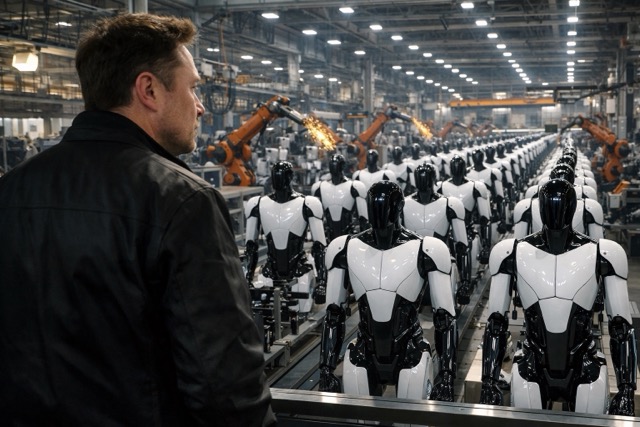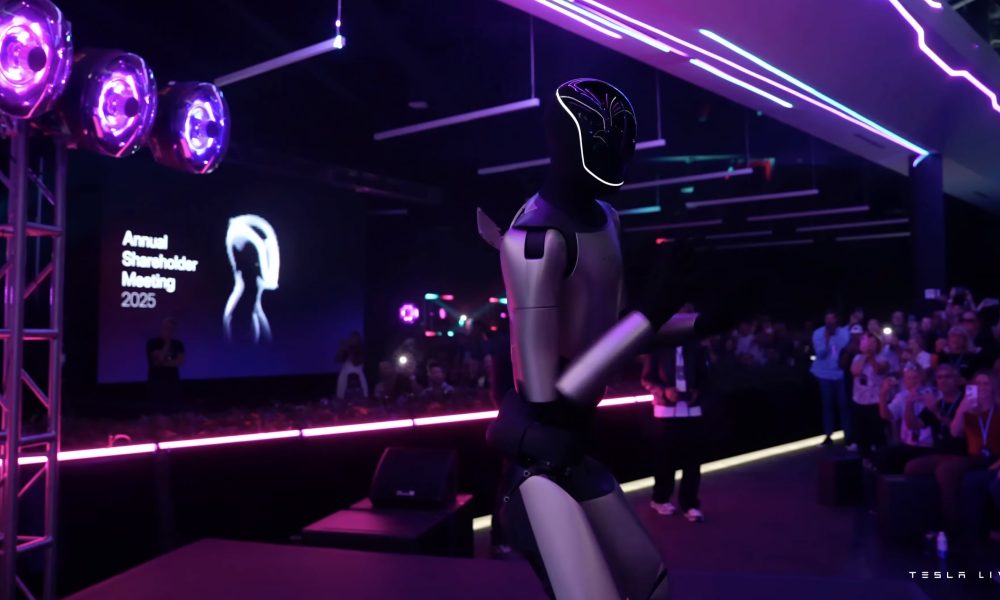
Elon Musk has once again thrust Tesla's humanoid robotics project, Optimus, into the spotlight with a series of bold pronouncements that sound lifted from a science fiction screenplay. In a recent flurry of posts on his social media platform X, the CEO didn't just discuss incremental improvements; he painted a vivid picture of a future where the Optimus robot becomes an indispensable, multi-planetary companion capable of tasks ranging from domestic chores to factory work and beyond. This vision underscores a strategic pivot where Tesla is increasingly defined not just by its electric vehicles, but by its ambition to create a new class of intelligent, general-purpose machines.
From Factory Floors to Martian Outposts
Musk's latest comments expand Optimus's potential theater of operations exponentially. While the initial and most immediate application remains automating repetitive, dangerous, or tedious tasks within Tesla's own manufacturing facilities, the long-term roadmap is staggeringly broad. Musk suggested a future where individuals could rent out their personal Optimus units to perform jobs for others, creating a decentralized labor network. Even more audaciously, he reiterated the robot's role in establishing a self-sustaining civilization on Mars, where it would perform essential functions in environments too hazardous for humans. This frames Optimus not as a single-purpose tool, but as a flexible platform for physical labor in any setting.
The Core Technology: Tesla's Unfair Advantage
The feasibility of this sci-fi vision hinges on Tesla's unique technological convergence. Unlike startups building robots from scratch, Tesla is leveraging its deep expertise in real-world AI, battery technology, and advanced actuators developed for its EV fleet. Optimus benefits directly from the neural networks and vision processing power of Tesla's Full Self-Driving (FSD) project, essentially giving it a brain trained on understanding and navigating the complex physical world. This symbiotic relationship between the car and robotics divisions provides an "unfair advantage" that could accelerate development at a pace pure-play robotics firms cannot match.
However, the gap between demonstration videos and robust, economical, mass-produced reality remains vast. The robotics industry is littered with prototypes that failed to achieve commercial viability. Musk's aggressive timeline—suggesting Optimus could be ready for external sales by the end of 2025—is viewed with extreme skepticism by many experts. The challenges of dexterous manipulation, fail-safe operation in unstructured human environments, and ultimately achieving a cost point that makes widespread adoption sensible are monumental engineering hurdles that Tesla has yet to fully prove it can overcome.
Implications for the Tesla Ecosystem
For Tesla owners and investors, the Optimus project represents both a high-risk bet and a potentially transformative opportunity. Success could unlock a new, multi-trillion-dollar market that dwarfs the automotive sector, fundamentally altering Tesla's valuation model. It also promises to drastically reduce manufacturing costs for Tesla's own products, improving margins. For owners, the distant prospect of a capable personal robot adds a layer of futuristic utility to the brand. Yet, the massive R&D expenditure required diverts resources and executive focus from the core electric vehicle business at a time of intense competition. Investors must weigh the breathtaking upside against the very real possibility that Optimus remains a captivating, but niche, project for years to come.