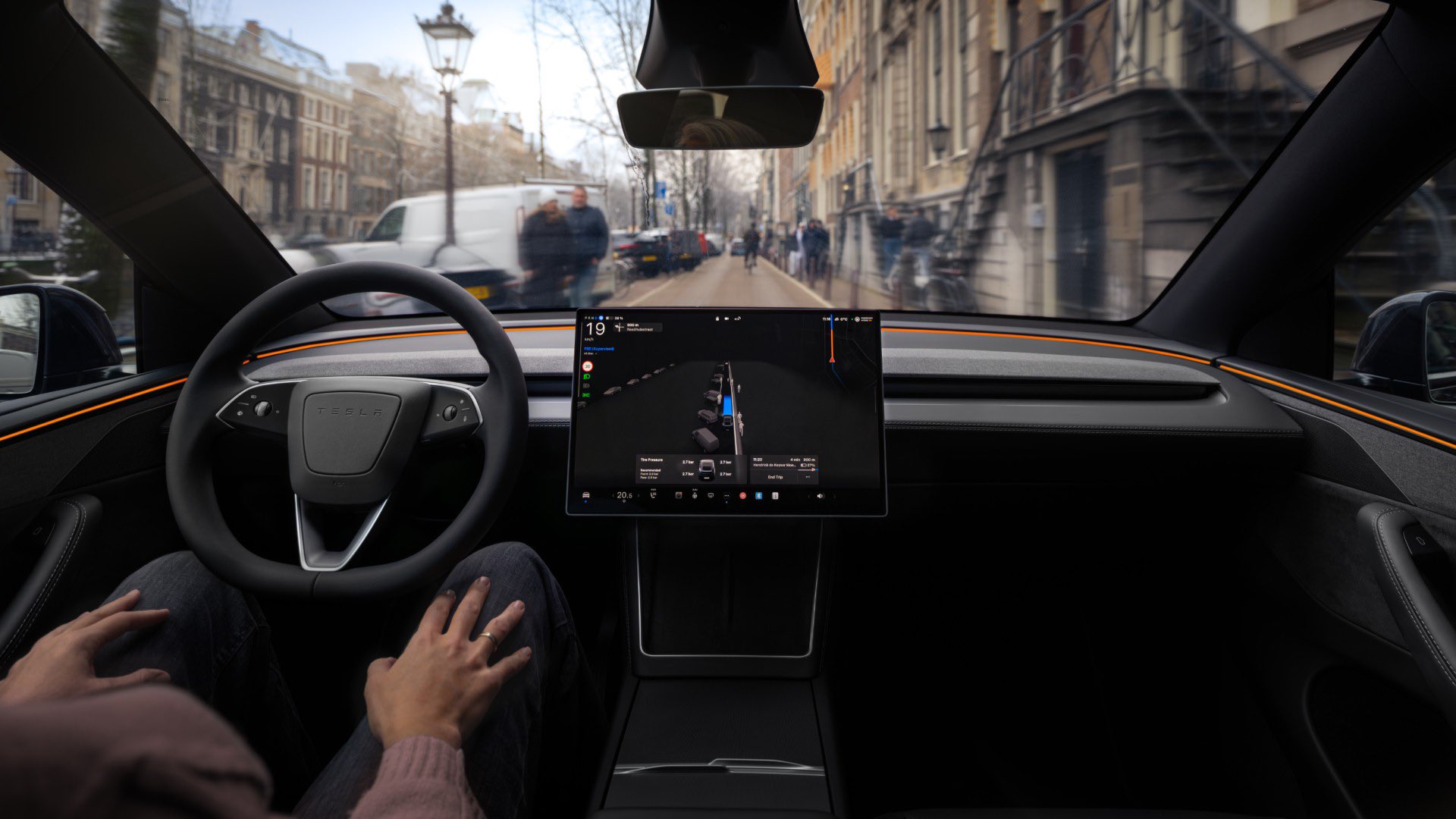
In a landmark decision for autonomous driving in Europe, Dutch regulators have given Tesla's most advanced driver-assistance system the green light. The Netherlands' vehicle authority, the RDW, has officially approved Tesla's Full Self-Driving (FSD) Supervised for use on public roads, making it the first European country to do so. This pivotal authorization follows an extensive evaluation period of over a year and a half, marking a significant step in Tesla's long-term ambition to deploy its autonomous technology globally.
A Rigorous Path to European Approval
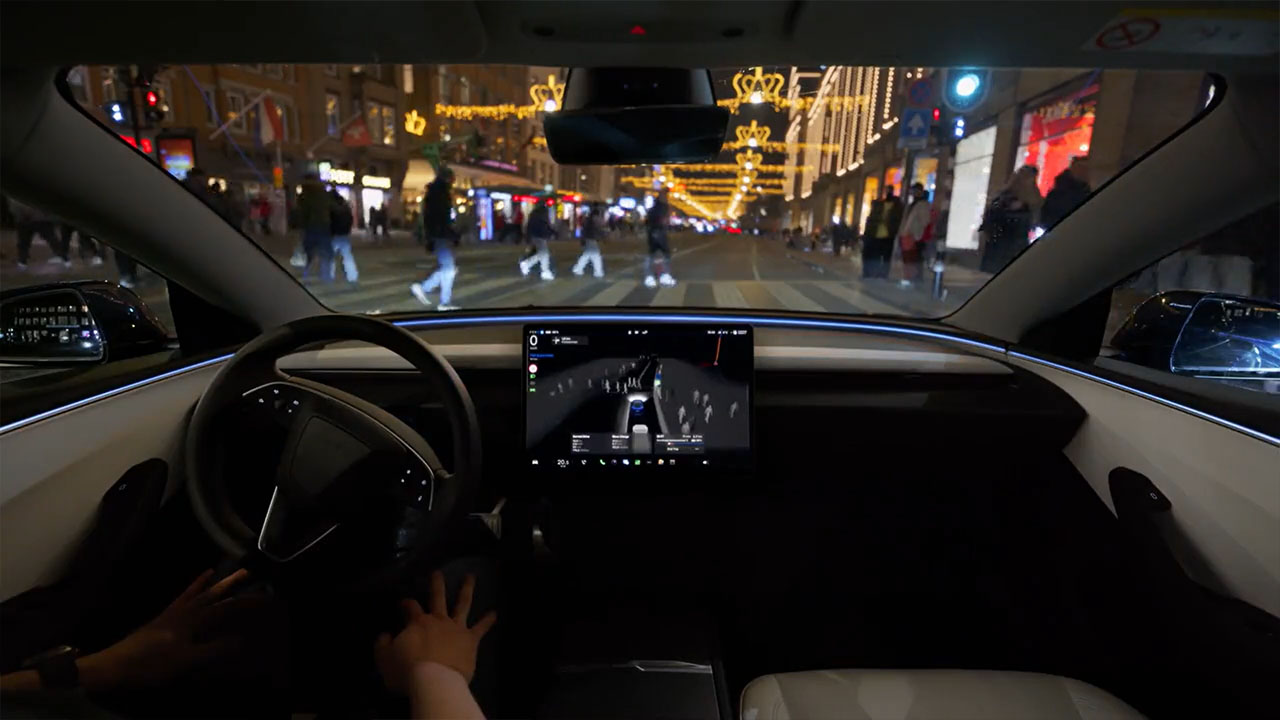
The RDW's approval is not a rubber-stamp decision but the culmination of a meticulous, 18-month review process. Regulators scrutinized the system's performance against stringent European safety and operational standards. This involved assessing how the software interprets complex European road layouts, adheres to local traffic laws, and interacts with vulnerable road users like cyclists and pedestrians. The fact that Tesla's European headquarters is based in Amsterdam likely facilitated close collaboration during this testing phase, providing regulators with direct access to engineering teams and data.
What "FSD Supervised" Means for Dutch Drivers
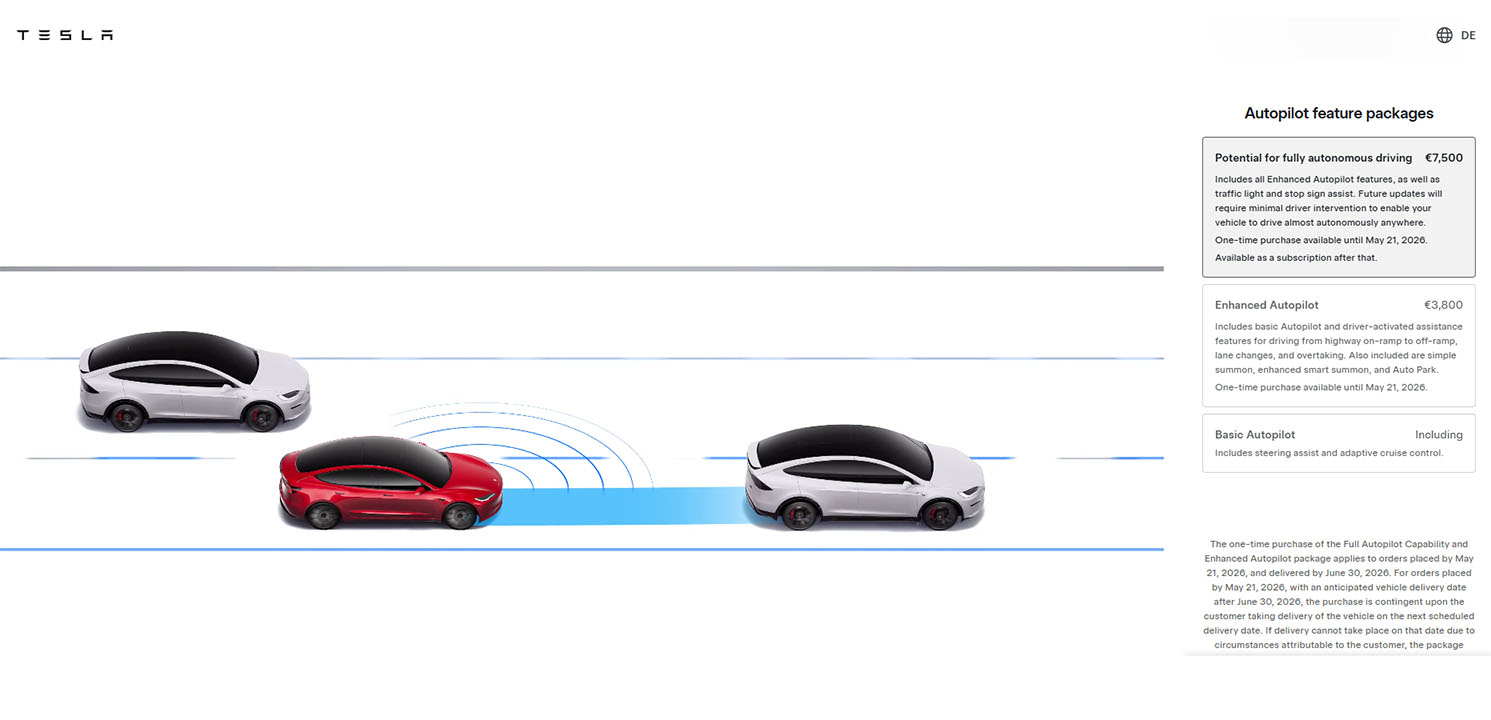
Dutch Tesla owners with compatible hardware will now be able to subscribe to or purchase the FSD package, unlocking features like automatic city street driving, traffic light and stop sign recognition, and automated lane changes. Crucially, the "Supervised" designation underscores that the driver must remain fully attentive and ready to take control at any moment. This aligns with the system's operational parameters in North America and serves as a critical reminder that despite its advanced capabilities, this is a Level 2 driver-assistance system, not a fully autonomous vehicle.
The rollout in the Netherlands serves as a critical real-world test bed for FSD in a dense, European urban environment. Success here will be closely watched by regulators in neighboring countries. A smooth implementation with a strong safety record could accelerate regulatory discussions across the continent. Conversely, any significant issues could prompt a more cautious approach from other EU member states, which have historically taken a more conservative stance on autonomous vehicle technology compared to the United States.
Implications for Tesla Owners and Investors
For Tesla owners in Europe, this breakthrough signals the impending arrival of a long-awaited software upgrade that could fundamentally enhance the utility and appeal of their vehicles. It transforms Tesla's value proposition from a premium EV to a platform for cutting-edge automation. For investors, the Dutch approval is a major validation of Tesla's technological roadmap and unlocks a new, high-margin revenue stream in a key market. It demonstrates regulatory progress and sets a precedent that could streamline approvals elsewhere in the EU, potentially boosting Tesla's competitive edge and software-driven profitability on the continent.