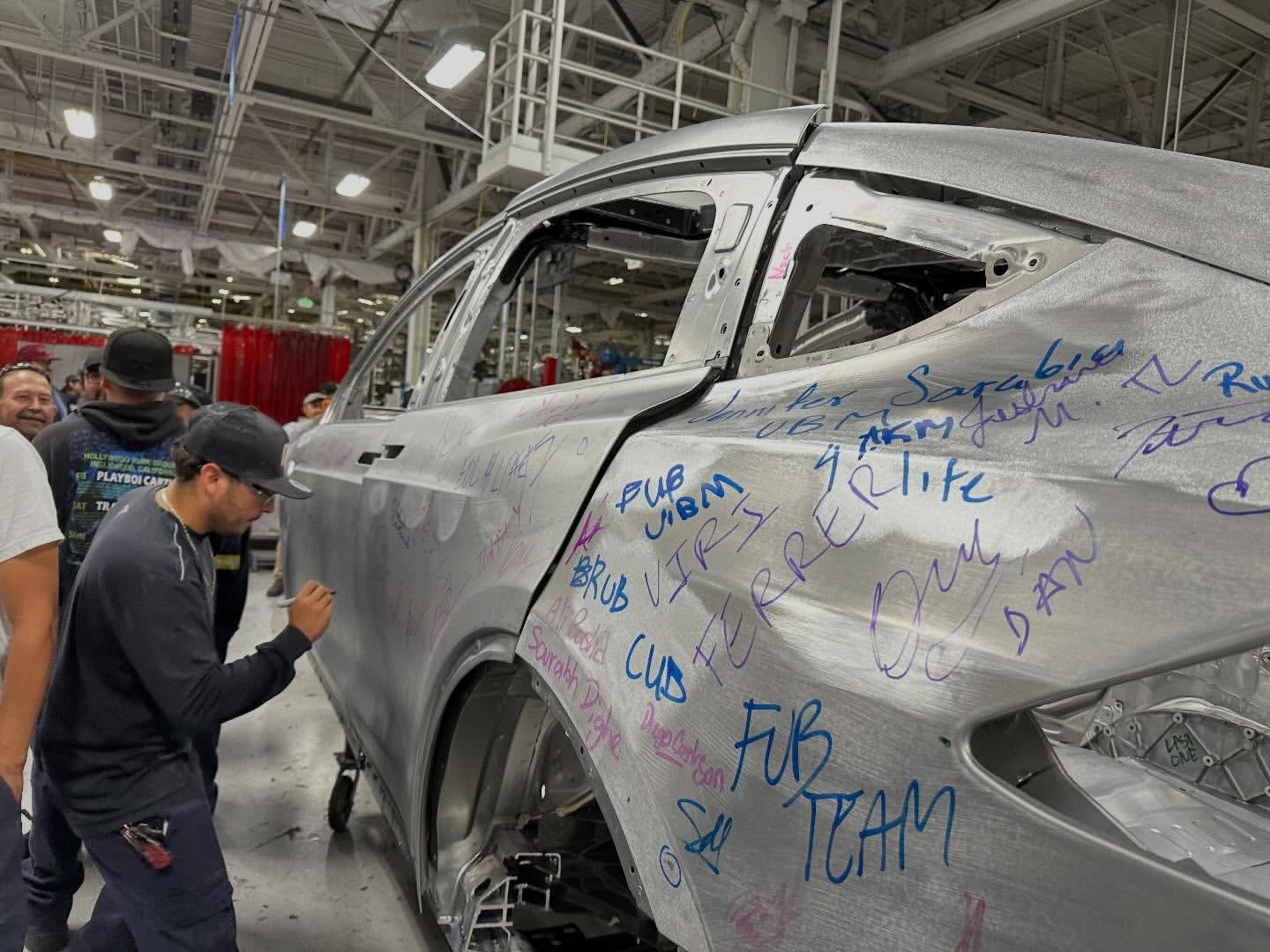
The sun is setting on two icons. After more than a decade of defining the high-performance electric vehicle segment, the Tesla Model S and Model X are entering their final production phase. This strategic pivot, confirmed by internal communications and shifting company priorities, marks the end of an era for the automaker that once proved EVs could be desirable. The move is not a retreat, but a dramatic reallocation of focus and factory space toward Elon Musk's ultimate vision: a future dominated by autonomous mobility. All bets are now firmly on the Cybercab.
The Legacy of the "Pioneers" and a Strategic Shift
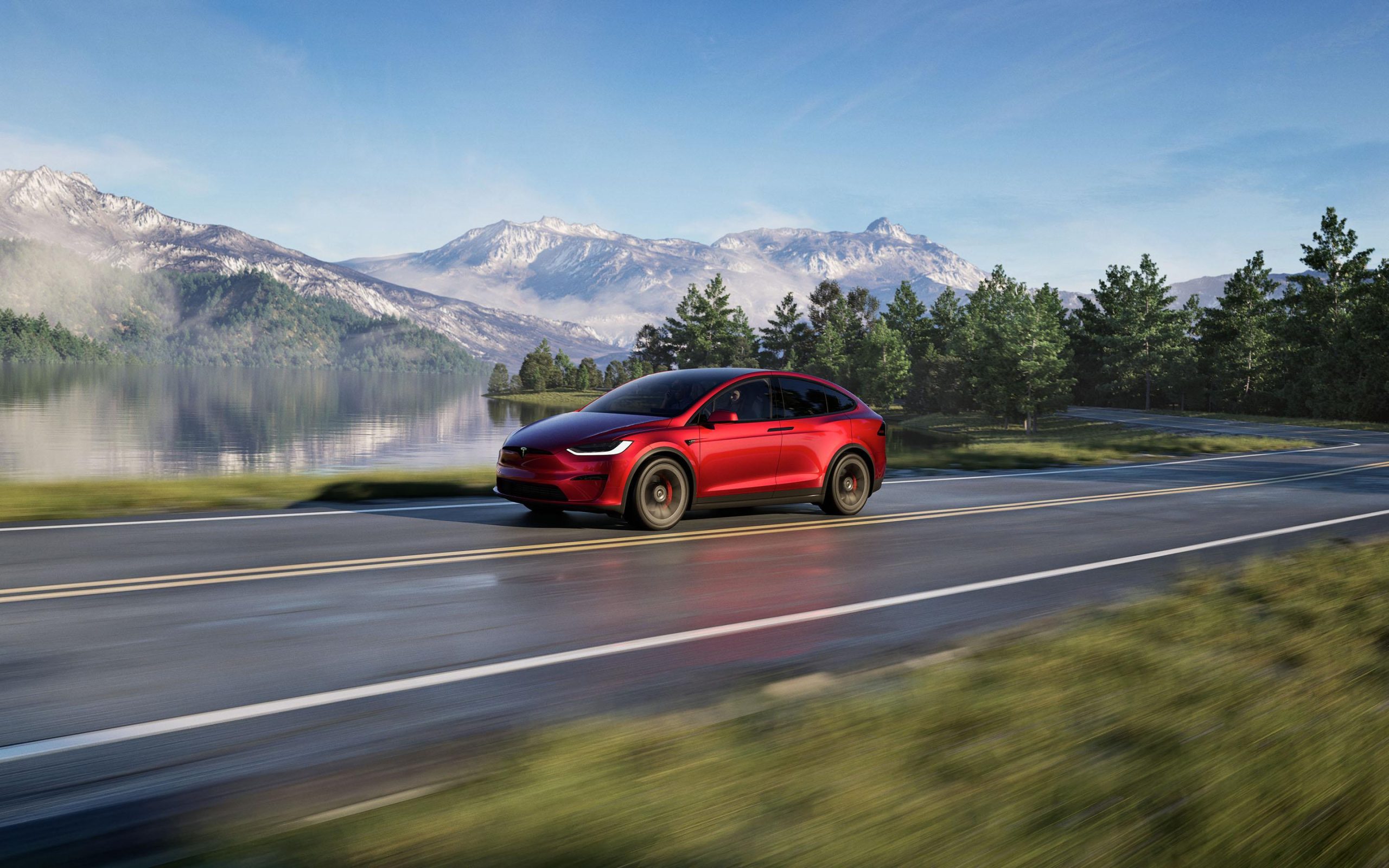
The Model S, launched in 2012, shattered perceptions with its blistering acceleration and long range, single-handedly forcing the entire auto industry to take EVs seriously. The falcon-winged Model X followed, cementing Tesla's reputation for audacious innovation. Together, they served as halo vehicles and cash cows, funding the development of the high-volume Model 3 and Y. However, their sales have dwindled to a fraction of Tesla's total output, and their complex designs are at odds with the company's current obsession with manufacturing simplicity and scale. Discontinuing them frees up critical engineering resources and production lines at Fremont for the next generation of products.
The Cybercab Takes Center Stage
This calculated sunset clears the runway for Tesla's next moonshot: the dedicated autonomous robotaxi, dubbed the Cybercab. Unveiled as a core part of the "Master Plan 3," this vehicle is engineered from the ground up for a driverless future, lacking a traditional steering wheel or pedals. Its success is inextricably linked to the full realization of Tesla's Full Self-Driving (FSD) software. The company is betting that the astronomical revenue potential of a global robotaxi network—a service with vastly higher utilization than private car ownership—far outweighs the niche luxury segment. Simultaneously, Tesla is accelerating development of the Optimus humanoid robot, viewing it as the key to affordable, scalable manufacturing and, eventually, a general-purpose labor force.
For Tesla investors, the implications are profound. The shift signals a high-risk, high-reward transition from a car company to a robotics and artificial intelligence enterprise. Short-term financial performance may face headwinds as legacy high-margin products phase out before the Cybercab generates revenue. The stock's valuation will increasingly hinge on tangible progress in FSD's capabilities and regulatory approvals, not just quarterly delivery numbers. It's a bet on a future where Tesla's primary product is autonomy, not automobiles.
For current and prospective Tesla owners, the landscape is changing. Model S and X will transition into coveted collector's items, with potential impacts on residual values and service support in the long term. The broader Tesla ecosystem, however, will become increasingly focused on the autonomy experience. Owners of newer vehicles with Hardware 4 will be closest to the forefront of any robotaxi sharing capabilities, potentially turning their assets into revenue generators. The era of Tesla as a pure-play EV maker is over; the era of Tesla as an AI and mobility platform has begun.