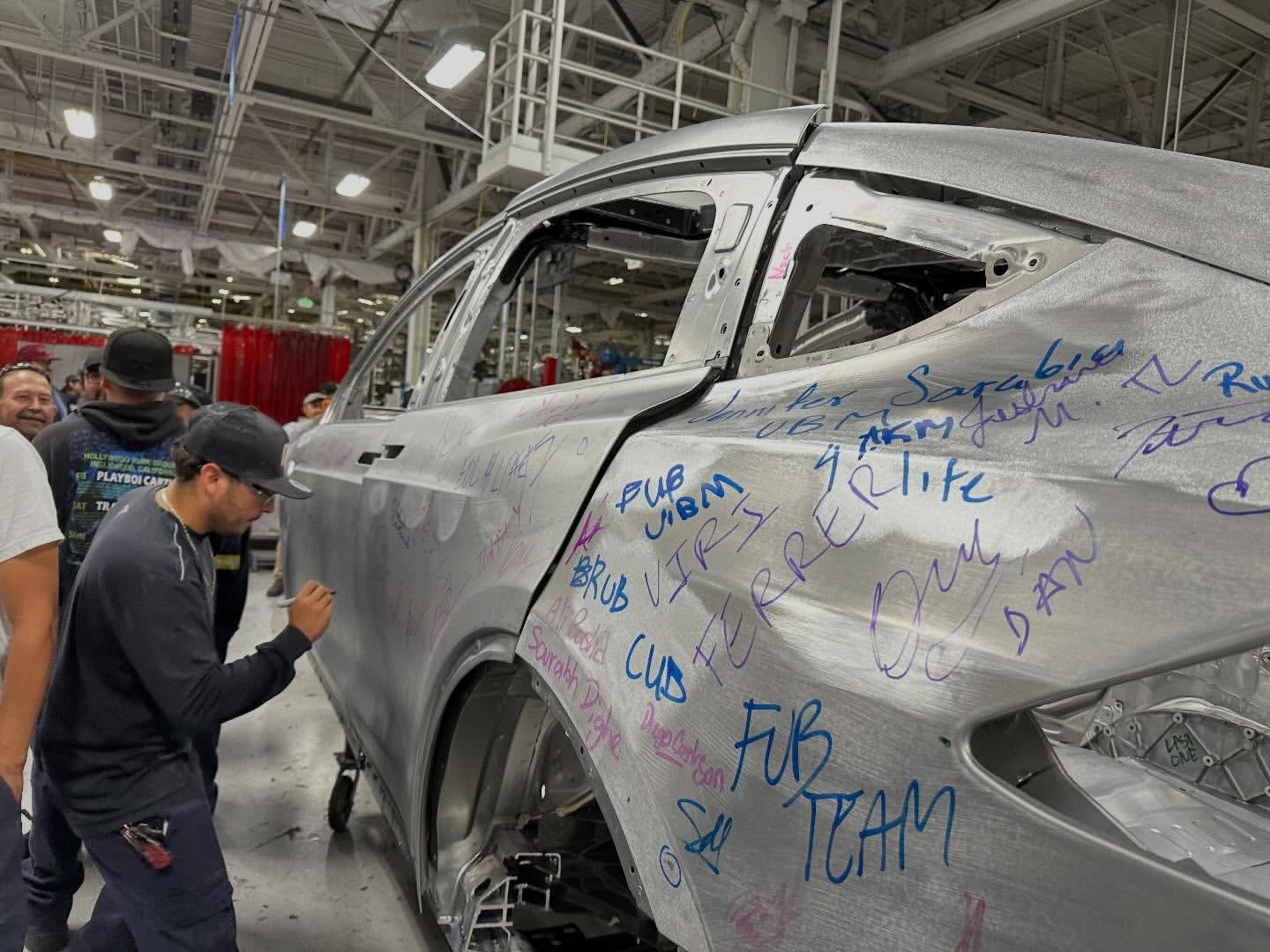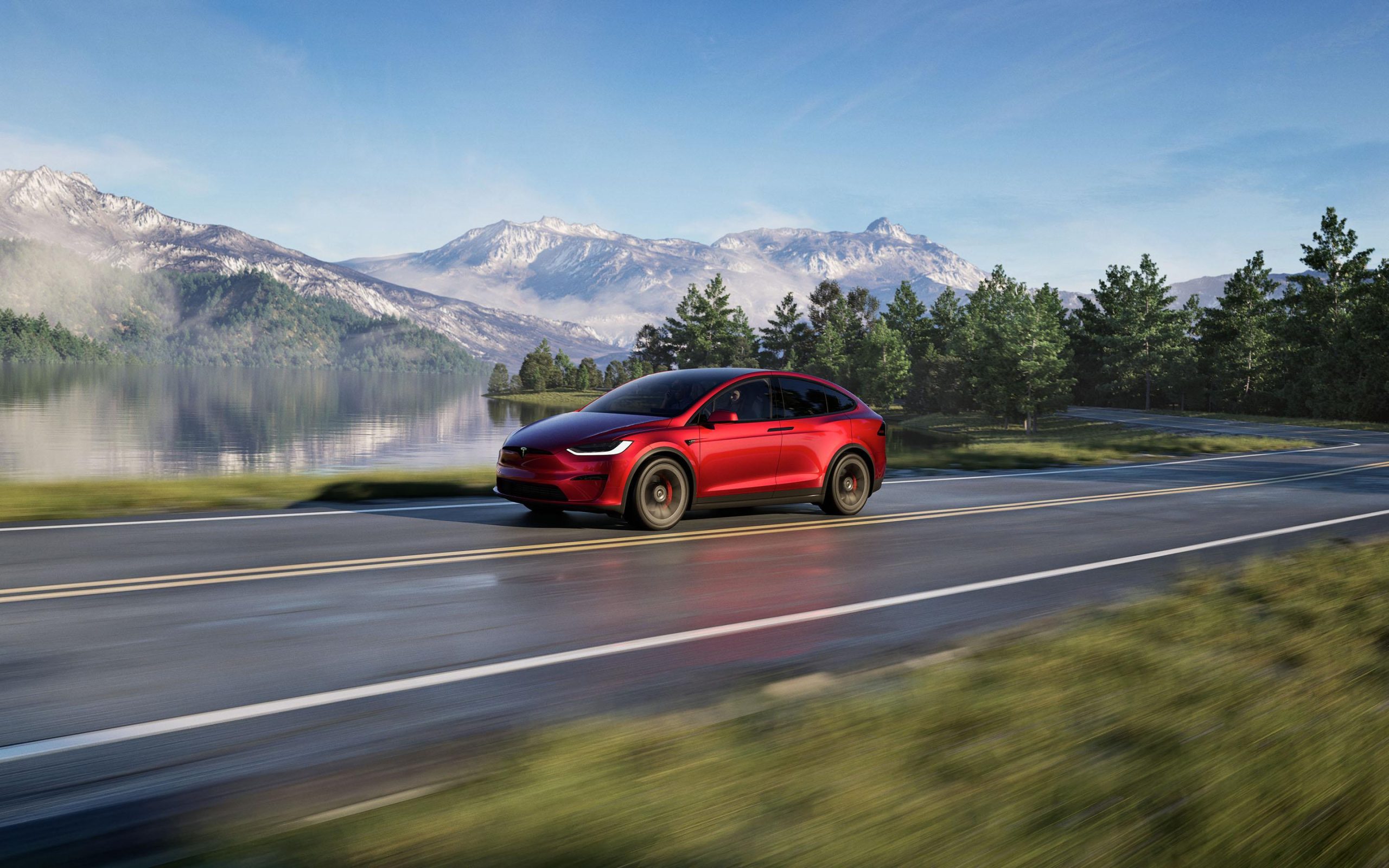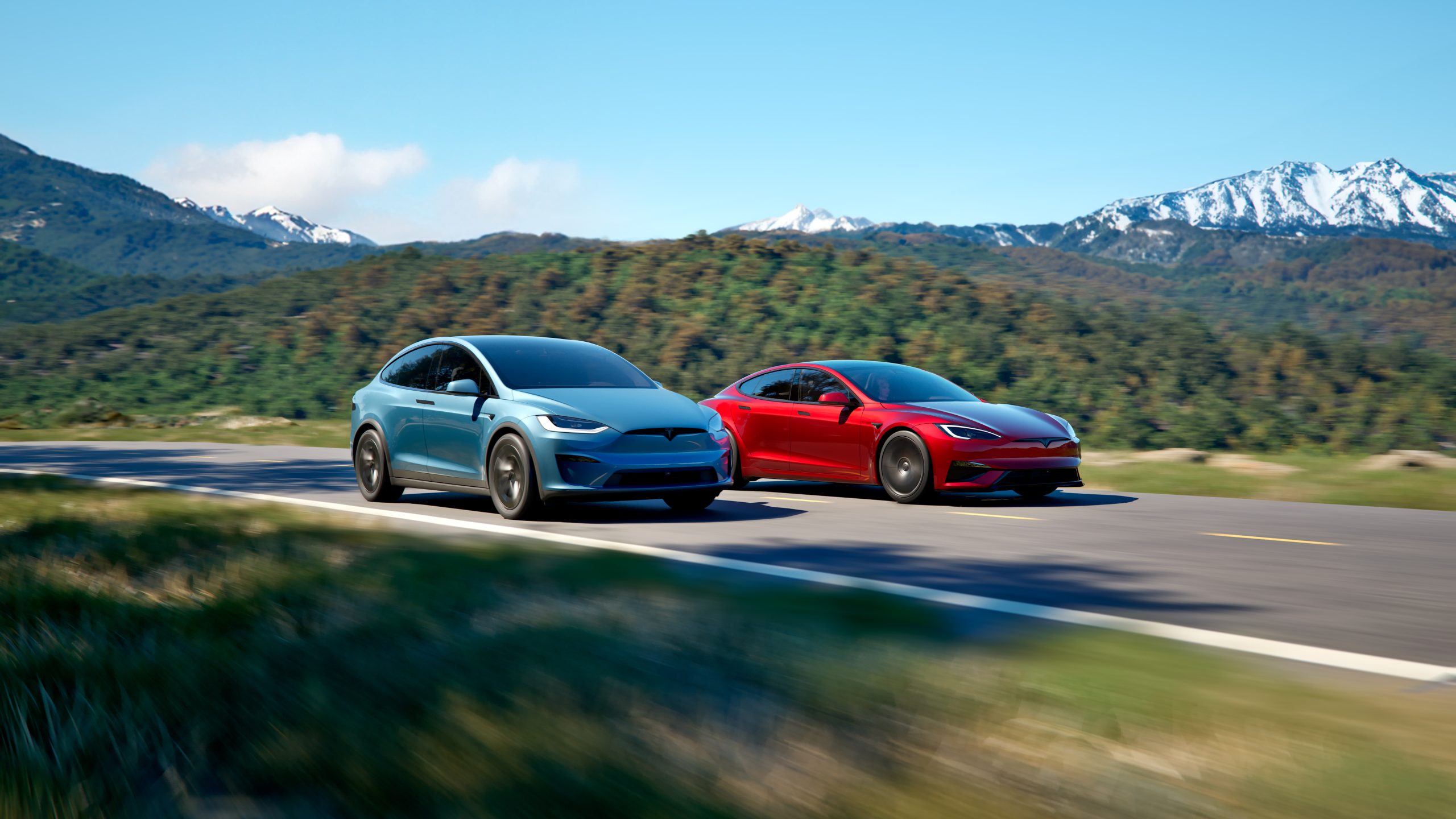
In a decisive move signaling a profound shift in its product strategy, Tesla has officially ceased taking custom orders for its flagship Model S sedan and Model X SUV. This policy change, confirmed by CEO Elon Musk, marks the end of an era for the vehicles that defined Tesla as a luxury electric vehicle innovator and fundamentally reshaped the automotive landscape. The move away from bespoke configurations underscores a strategic pivot towards volume production and streamlined operations, raising significant questions about the future role of these halo models within the evolving Tesla portfolio.
A Strategic Pivot from Bespoke to Streamlined
For years, the ability to meticulously customize a Model S or Model X—selecting unique paint, interiors, wheels, and even powertrain options—was a hallmark of the Tesla ownership experience, particularly for its early adopters and premium clientele. This shift means prospective buyers are now limited to purchasing pre-configured vehicles from existing inventory. The decision aligns with Tesla's overarching mission to streamline manufacturing and reduce operational complexity, a principle already perfected with the Model 3 and Model Y. By eliminating the long tail of custom configurations, Tesla can accelerate delivery times, reduce production costs, and focus its logistical might on moving high-volume vehicles.
The Evolving Role of Tesla's Flagship Vehicles
The cessation of custom orders is the clearest indicator yet that the Model S and Model X are transitioning from volume-focused products to niche, low-volume halo cars. Their primary function is evolving from driving sheer sales numbers to showcasing Tesla's ultimate technological capabilities, such as the tri-motor Plaid powertrain. This repositioning reflects market reality: in 2023, combined global deliveries of the S and X represented a single-digit percentage of Tesla's total volume, dwarfed by the mainstream dominance of the Model Y. The company appears to be acknowledging that the future of electrification and revenue growth lies not in six-figure sedans and SUVs, but in affordable, high-volume EVs and the yet-to-be-released "Robotaxi" platform.
For Tesla owners and investors, the implications are multifaceted. Current owners of custom-ordered Model S and X vehicles may see their cars become rarer, more distinctive assets over time. For investors, the move reinforces a focus on operational efficiency and margin protection in a challenging market, while also subtly signaling where the company's R&D and capital expenditures will be concentrated. The era of the meticulously personalized Tesla flagship is over, giving way to a new chapter defined by scalability, autonomy, and mass-market accessibility. The end of custom orders isn't just a change in a configurator; it's the closing of one playbook and the aggressive execution of another.