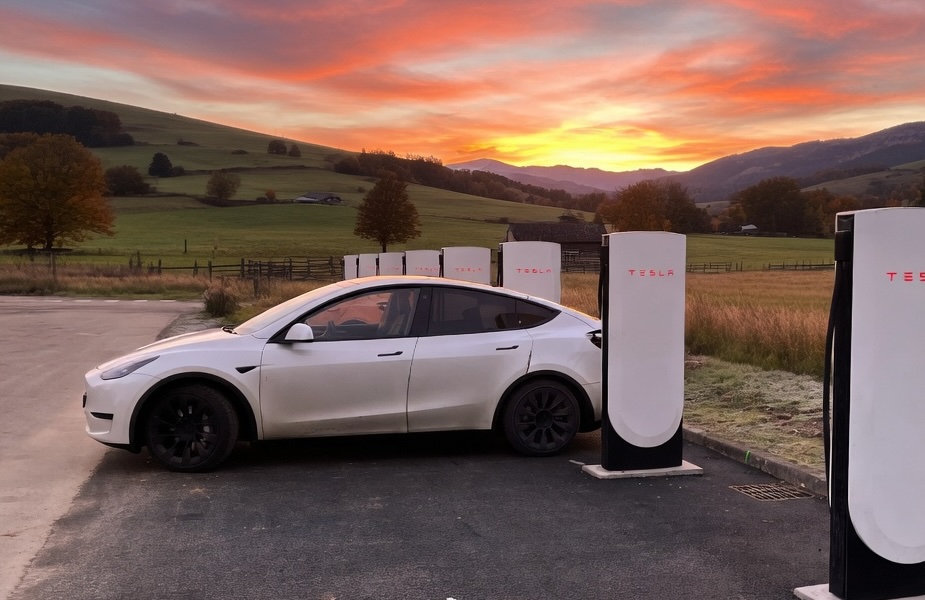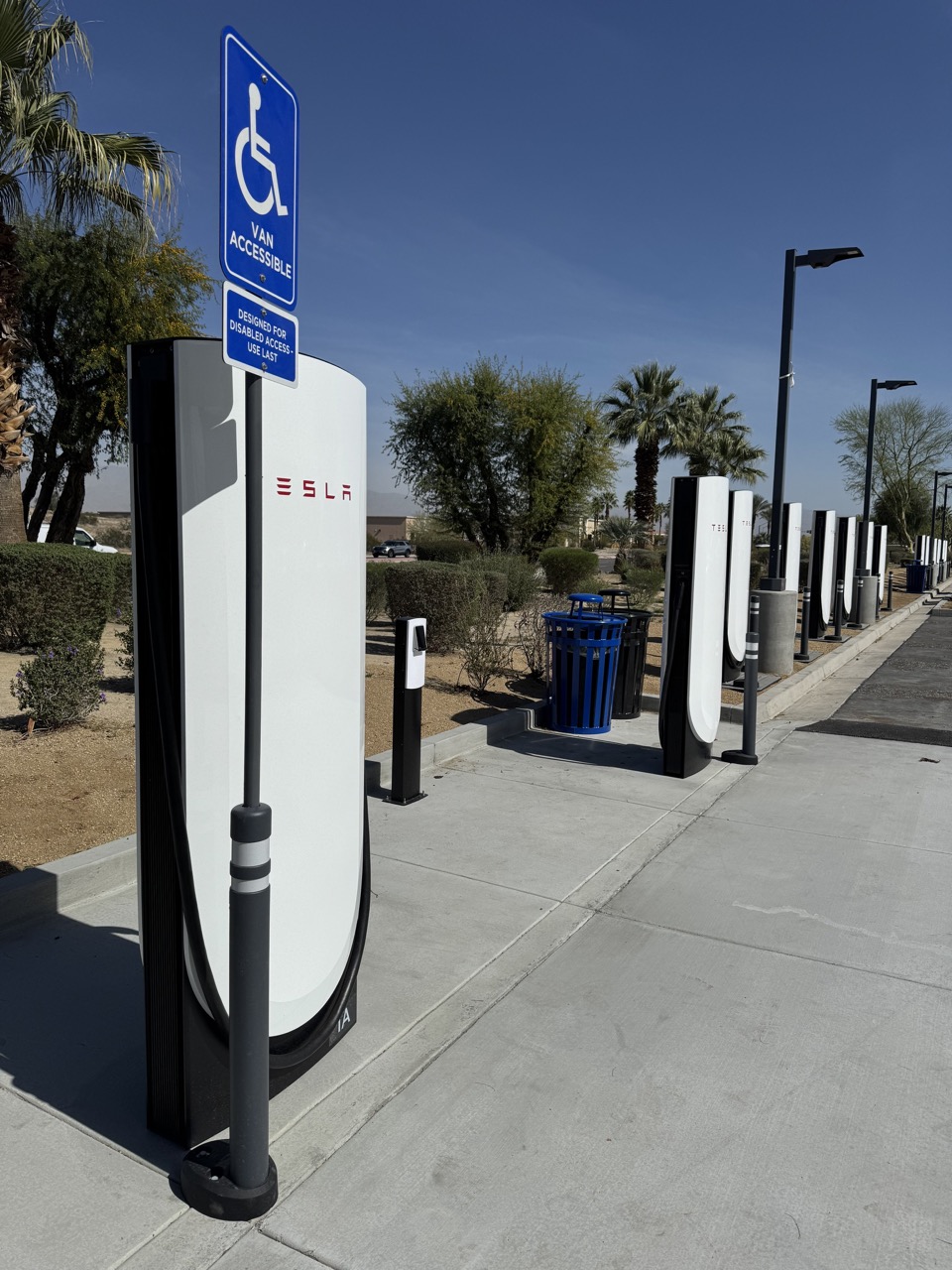
For years, the defining visual of a Tesla Supercharger stall was a sleek, minimalist column topped with a built-in credit card reader and screen. That familiar silhouette is now changing at the company's latest V4 stations across the United States, and the shift is sparking debate. In a move that initially seems counterintuitive, Tesla has removed the individual payment terminal from each stall, consolidating them into a single, central payment kiosk. While this may appear to be a step backward for user convenience, a deeper analysis reveals a masterclass in operational pragmatism and strategic foresight that will benefit Tesla's bottom line and the future of its charging network.
The Strategic Calculus Behind the Single Kiosk
On the surface, eliminating per-stall payment hardware seems like a cost-saving measure—and it undoubtedly is. Each removed screen, card reader, and associated wiring represents a direct reduction in Capital Expenditure (CapEx) and long-term maintenance. However, the rationale extends far beyond simple thrift. The V4 Supercharger is designed for a future dominated by Plug & Charge automation, where a compatible electric vehicle authenticates and bills the driver seamlessly upon connection. For the vast majority of Tesla owners, payment already happens automatically through their Tesla account. The individual terminals were becoming redundant hardware for Tesla's core clientele. By centralizing the physical payment option, Tesla streamlines the stall design for its primary users while still providing necessary NACS (North American Charging Standard) compliance and access for drivers of other EV brands who may not have Plug & Charge capability set up.
Accelerating Rollout and Enhancing Reliability
This pragmatic design choice has significant implications for the speed and scale of the Supercharger network's expansion. Simplified stalls are quicker and cheaper to manufacture, ship, and install. This allows Tesla to deploy more charging capacity with the same resources, a critical advantage in the fiercely competitive race for EV infrastructure dominance. Furthermore, fewer electronic components exposed to the elements at each stall mean fewer potential points of failure. Enhanced reliability is paramount for maintaining the network's industry-leading uptime, especially as it opens to a flood of new vehicles from other automakers. The centralized kiosk, while a single point of failure itself, is likely easier and more cost-effective to service and protect than dozens of individual units.
The decision also reflects Tesla's evolving role from an exclusive brand ecosystem to a public charging utility. The company must now balance the seamless experience of its loyal owners with the accessible, universal requirements of a truly open network. The central kiosk serves as a pragmatic bridge between these two realities, ensuring compliance and accessibility without over-engineering every stall for a use case that is becoming increasingly automated.
For Tesla owners, this change is largely invisible and reinforces the superior, integrated experience they already enjoy. For investors, it underscores management's relentless focus on capital efficiency and scalable growth. The move reduces the cost per stall of the world's most valuable charging network, enabling faster expansion and higher margins. For the broader EV market, it signals Tesla's commitment to a functional, large-scale open network, but on its own optimally efficient terms. The missing screen isn't a deletion of innovation; it's a clear-eyed edit for the next chapter of electric mobility.