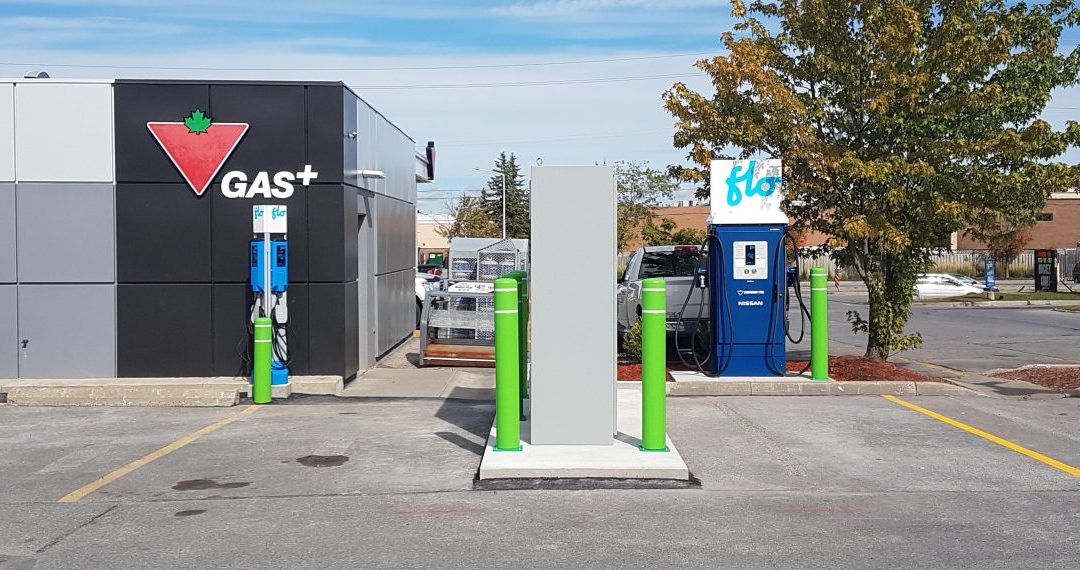
Canada’s electric vehicle infrastructure is charging ahead in the first quarter of 2026, but the playbook is being rewritten. New data reveals that while the total number of fast-charging ports continues to climb, the real strategic pivot is toward constructing larger, high-capacity stations designed to eliminate bottlenecks and serve a rapidly growing fleet of EVs. For Tesla owners and the broader electric vehicle community, this shift signals a maturation of the network, moving from a race for coverage to a battle for reliability and throughput.
The Numbers Show Growth, But a Different Kind of Expansion
According to fresh industry figures, Canada added over 1,200 new fast-charging ports in the first three months of 2026, bringing the national total past the 12,000 mark. However, the average number of chargers per station has jumped by nearly 30% compared to the same period last year. Instead of scattering single or dual-charger sites across the map, operators like Petro-Canada, FLO, and even Electrify Canada are now prioritizing megasites with 8 to 12 stalls. This is a direct response to the painful wait times experienced at popular corridors during peak travel seasons, a problem that disproportionately affected Tesla Supercharger locations before the network opened to non-Tesla vehicles.
Why Smaller Sites Are Falling Out of Favor
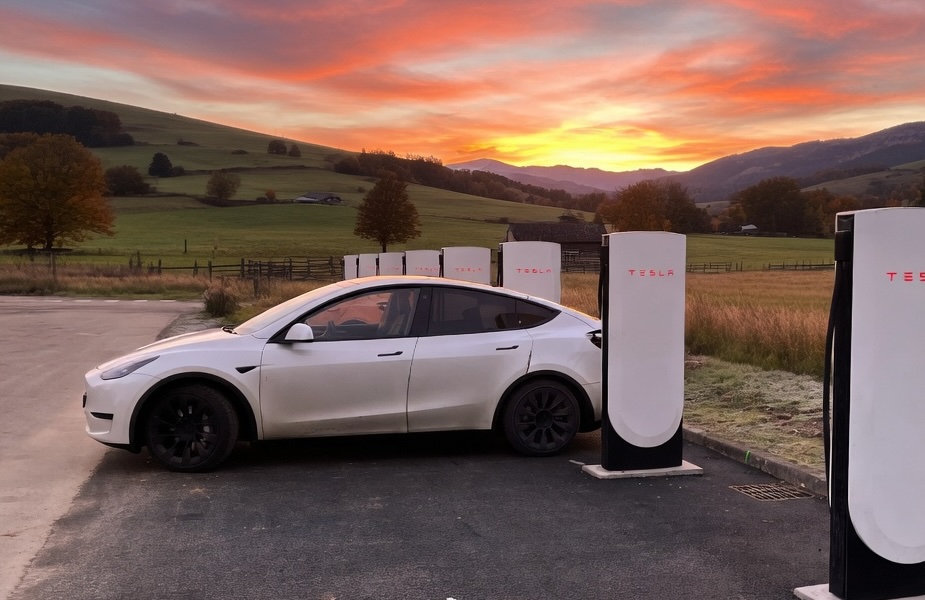
The logic behind the strategic change is simple: volume. A single fast-charger at a remote gas station often sits idle, while a high-traffic urban or highway location with only two stalls creates a queue that discourages EV adoption. The new data shows that stations with fewer than 4 chargers now account for less than 15% of new installations in Q1 2026, down from over 40% two years ago. This trend aligns with Tesla’s own recent expansions, which have focused on deploying V4 Supercharger cabinets capable of supporting 12 to 20 stalls per site. The move is also fueled by government funding programs that now require minimum station sizes to qualify for grants, effectively forcing a consolidation of resources.
What This Means for Tesla Owners and Investors
For current Tesla drivers, the shift is a double-edged sword. On one hand, larger stations mean fewer queues and more reliable charging during long road trips, particularly along the Trans-Canada Highway and the Quebec-Windsor Corridor. On the other hand, the proliferation of high-capacity non-Tesla stations increases competition for grid capacity and could eventually dilute the brand’s historical advantage in charging infrastructure. For investors, the message is clear: the era of simple port-count growth is over. The key metric to watch is now stall utilization rate and station uptime. Companies that build smart, not just big, will dominate the next phase of Canada’s electrification. The network is expanding, but the strategy is changing—and that’s ultimately good news for anyone who drives an electric vehicle.

![Tesla Opens Campbell River Supercharger, Closing Major Gap on Vancouver Island [British Columbia]](https://driveteslacanada.ca/wp-content/uploads/2024/09/V4Supercharger_98-scaled.jpg)