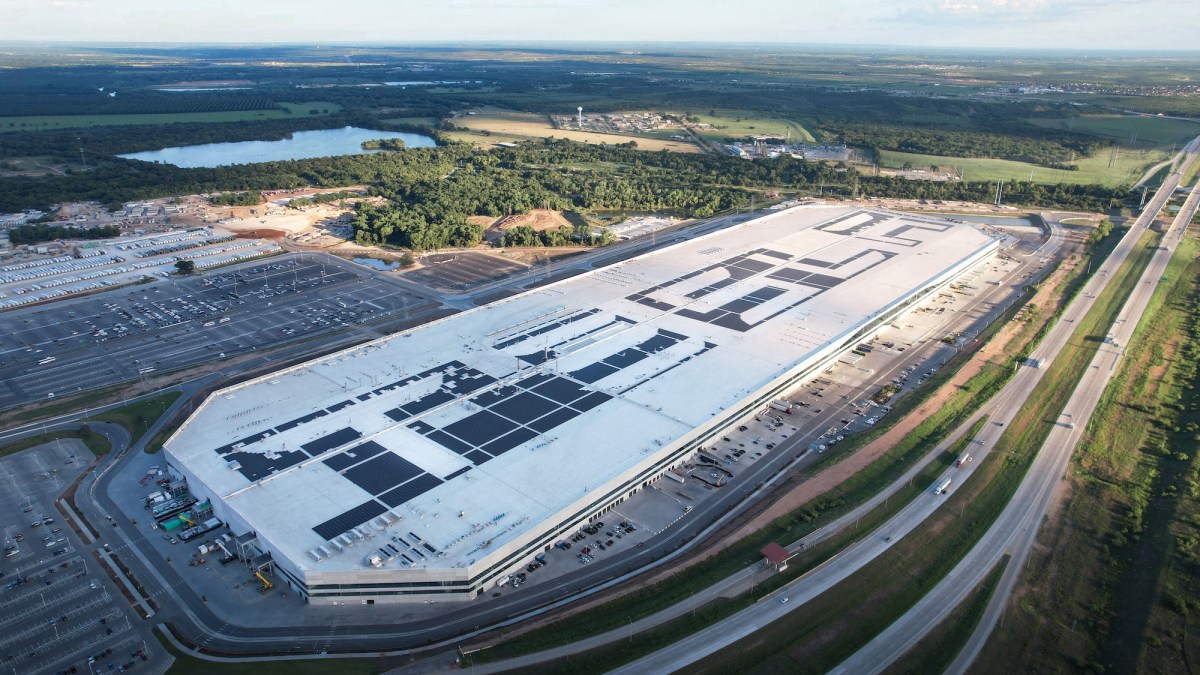
Amid a global EV market recalibration and internal strategic shifts, Tesla's operational footprint at its flagship Gigafactory Texas has undergone a significant contraction. A new report reveals the company's workforce at the Austin facility fell sharply in 2025, a tangible reflection of the pressures facing the electric vehicle pioneer as it navigates a complex transition phase.
A Sharp Decline in Headcount
According to state filings analyzed by The Information, Tesla's headcount at Gigafactory Texas stood at 16,506 workers at the end of 2025. This represents a dramatic 22% reduction from the 21,191 employees reported the previous year. This workforce shrinkage directly correlates with Tesla's challenging year, marked by its second consecutive year of declining sales. The reduction is not isolated to Texas, with reports of similar cuts at other major sites, indicating a broad-based operational streamlining rather than a localized adjustment.
Context: A Year of Strategic Pivots
The workforce reduction is a symptom of larger forces at play. Tesla's sales decline prompted aggressive cost-cutting measures and a renewed focus on autonomy and robotics, including a rapid pivot to the "Tesla Robotaxi" platform. Furthermore, production delays and complexities surrounding the highly anticipated Cybertruck and next-generation vehicles have strained manufacturing efficiency. The headcount drop likely reflects both the elimination of roles through attrition and layoffs, as well as a potential reallocation of resources toward AI and software development, which are now central to CEO Elon Musk's vision for the company's future.
For Tesla owners, the immediate implications are mixed. A leaner operation could improve the company's financial resilience and long-term viability, which is crucial for software support and future vehicle development. However, such a significant workforce reduction at a major production hub raises questions about service capacity and potential delays in vehicle delivery timelines for new orders, particularly for models built in Texas. The community will be watching closely for any impact on customer experience.
For investors, the report underscores the painful but necessary transition Tesla is undergoing. The move from a pure-play EV manufacturer to a company focused on artificial intelligence and autonomous mobility is capital-intensive and requires difficult operational choices. The shrinking Texas workforce is a clear indicator that management is prioritizing margin protection and strategic re-investment over sheer manufacturing scale in the near term. The market's judgment will hinge on whether these cuts pave the way for a successful launch of the Robotaxi and next-gen platform, or if they signal a deeper, more protracted downturn in Tesla's core automotive business.