Tesla’s latest annual filing reveals a staggering financial synergy within Elon Musk’s corporate empire. In 2025, the electric vehicle giant accrued up to $573 million in revenue directly from affiliated companies, primarily SpaceX and xAI. This figure, disclosed in the company’s annual report, underscores a deepening interdependence between Musk’s ventures, transforming Tesla from a pure-play automaker into a key commercial partner for his aerospace and artificial intelligence ambitions.
The Financial Mechanics of Inter-Company Dealings
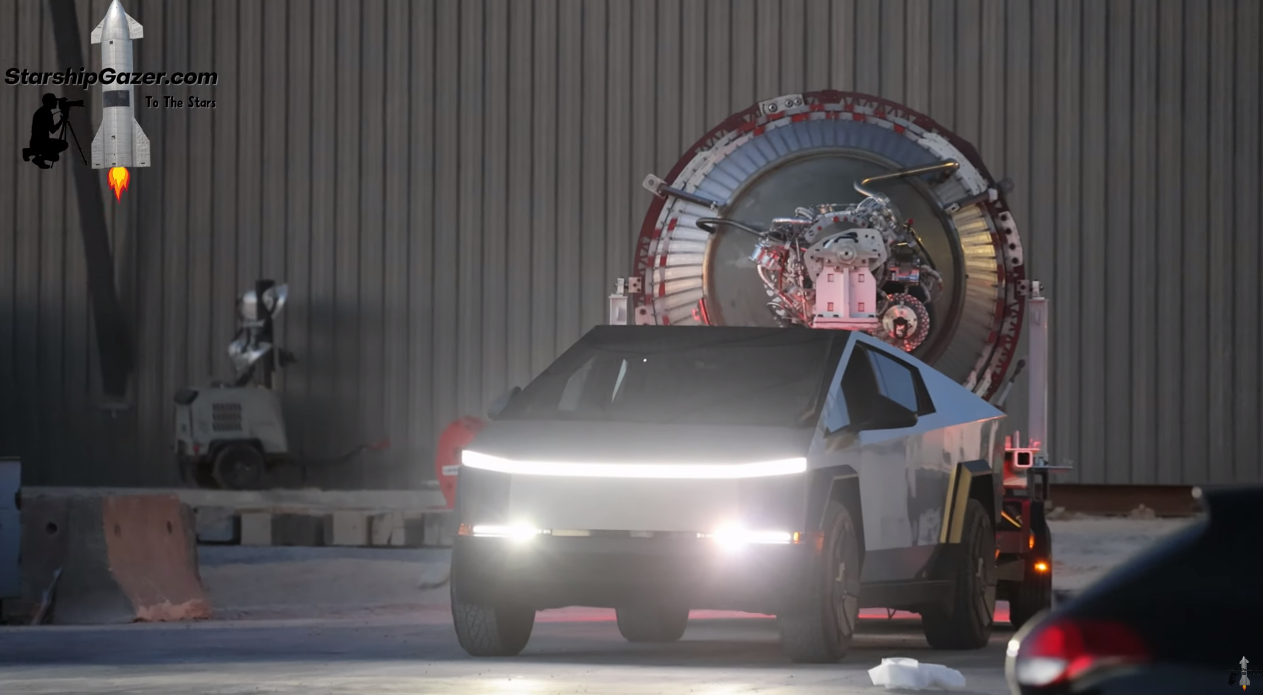
The $573 million in revenue is not a trivial sum. It represents a significant portion of Tesla’s other revenue streams, which have expanded beyond vehicle sales into energy storage and services. According to the filing, these payments stem from contracts for hardware components, engineering services, and technology licensing. For context, this figure is roughly equivalent to the annual revenue of a mid-sized automaker, highlighting how Tesla’s manufacturing prowess is now being leveraged to support SpaceX’s Starlink satellite production and xAI’s computational infrastructure needs. The arrangement allows Musk’s companies to internalize costs, keeping critical supply chains within his ecosystem while potentially offering Tesla a steady, high-margin income source.
Strategic Implications for Tesla’s Core Business
This inter-company revenue is a double-edged sword for Tesla. On one hand, it provides a buffer against the volatile EV market, where demand fluctuations and price wars have squeezed margins. The half-billion dollar contribution bolsters Tesla’s bottom line, funding research and development for next-generation vehicles like the Cybertruck and the Roadster. However, it also raises governance questions. Critics argue that such transactions can obscure Tesla’s true operating performance, making it harder for investors to assess the health of its core automotive and energy businesses. Tesla has disclosed these deals as related-party transactions, but the sheer scale—exceeding 0.5% of total revenue—warrants close scrutiny from analysts.
What This Means for Tesla Owners and Investors
For current Tesla owners and shareholders, this revelation is a net positive in the short term. It demonstrates that Tesla’s value proposition extends beyond selling electric vehicles; it is becoming an industrial keystone for Musk’s broader vision of space exploration and AI. Investors should monitor whether this trend accelerates, potentially making Tesla less dependent on consumer car sales. However, the risk is that Tesla’s capital and engineering talent could be diverted to serve sister companies over its own customers. As 2026 approaches, watch for quarterly filings to see if this $573 million figure grows—a clear signal that Tesla is evolving into a diversified technology supplier rather than just an automaker.